
Two Fixtures Gurgle When You Drain One? What That Means
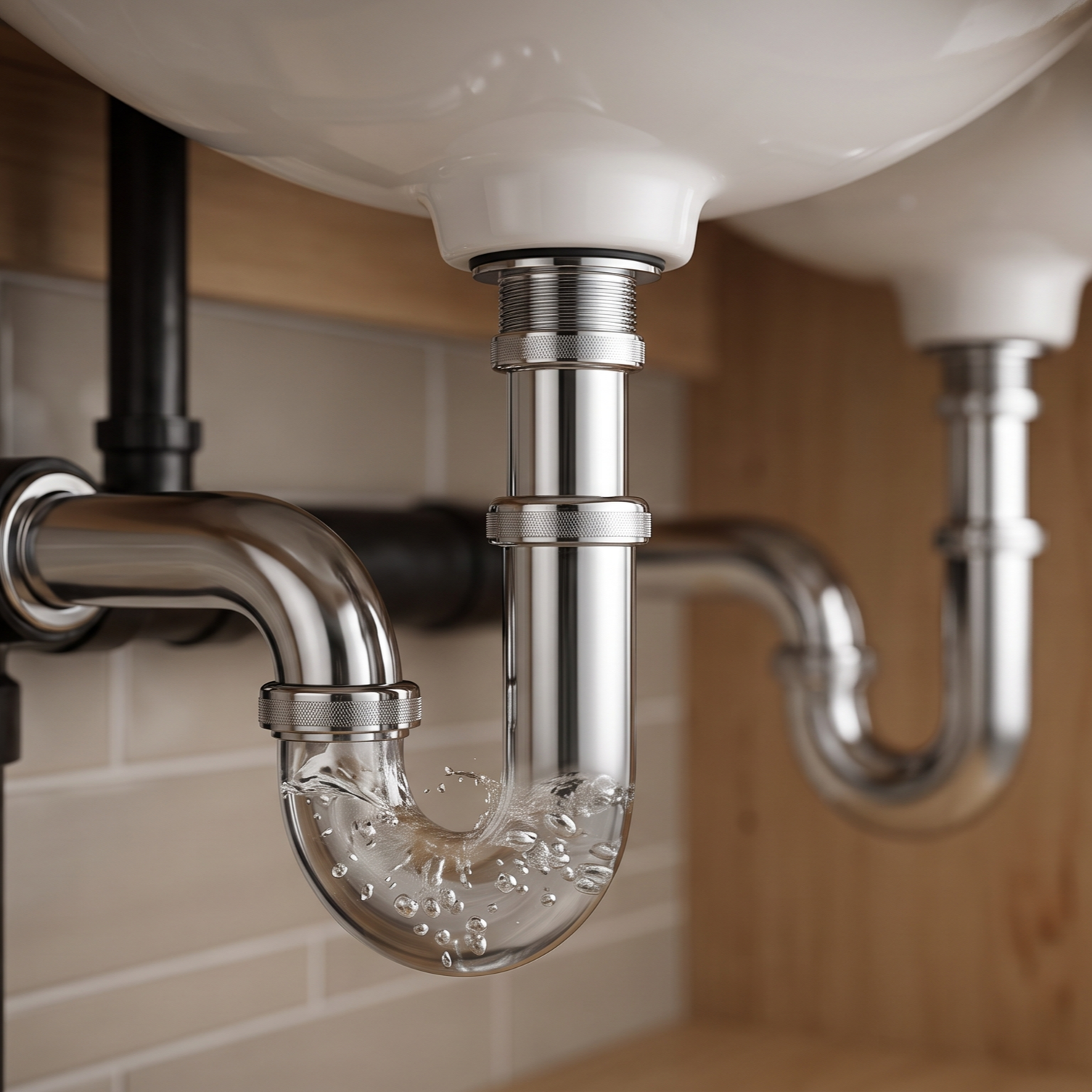
Quick Answer: When draining one fixture makes another gurgle, it's almost always a venting or partial-blockage problem in the shared drain line. Draining water creates suction in the pipe, and if air can't get in through the vent the way it should, the system pulls air through the nearest trap instead — that's the gurgle, and it can siphon water out of that trap. Common causes are a blocked or inadequate vent, or a partial clog downstream that's restricting flow and air movement. It matters because a siphoned trap loses its seal and lets sewer gas in, and a developing clog tends to get worse. Gurgling is an early warning worth acting on.
It's a strange thing to notice: you drain the sink, and the toilet or tub gurgles in response. That cross-talk between fixtures isn't random — it's your drain system telling you that air isn't moving the way it should. Understanding the gurgle helps you catch a venting or clog problem while it's still minor.
How Drains Are Supposed to Move Air
A drain system isn't just pipes carrying water down — it also has to manage air. When water flows down a drain, it needs air to come in behind it, just as a liquid pours more smoothly from a bottle with a vent. That air comes from the vent pipes that run up through the roof. Proper venting lets water drain smoothly while the traps under each fixture keep their protective water seal intact.
When that air can't get in through the vent, the draining water has to pull air from somewhere else — and the easiest place is through the water in a nearby trap. That's exactly what produces the gurgle.
What the Gurgle Actually Is
The gurgling sound is air being pulled through the water seal of a trap. When you drain one fixture and another gurgles, the water rushing down creates suction in the shared line, and instead of drawing air from the vent, it draws it through the second fixture's trap. The bubbling you hear is that air forcing its way through the trap water.
This is more than a noise. As the system siphons air through a trap, it can pull the water out of that trap, breaking the seal that keeps sewer gas out. So a gurgle isn't just annoying — it can be the sound of a trap losing its protection.
Cause One: A Venting Problem
The most common reason air can't get in properly is a venting issue. The vent may be blocked by debris, a nest, or buildup, or the plumbing may be inadequately vented to begin with. Either way, when the vent can't supply air, the system robs it from the traps, causing the gurgle. Venting problems often show up as this kind of cross-fixture gurgling, sometimes with slow drainage.
Cause Two: A Partial Clog Downstream
The other common cause is a partial blockage in the shared drain line. As a clog builds, it restricts both water flow and air movement in the pipe. Water backing up slightly and air getting trapped behind the restriction can cause gurgling in connected fixtures as the system struggles to move everything past the obstruction. A partial clog tends to come with slower draining that worsens over time, and gurgling can be one of its earliest signs before it becomes a full backup.
| What you notice | Likely cause |
|---|---|
| Gurgle in another fixture when draining | Venting issue or partial clog |
| Gurgle plus slow drainage | Developing clog downstream |
| Gurgle plus occasional sewer smell | Trap being siphoned |
| Multiple fixtures affected | Problem in a shared main line |
| Toilet bubbles when sink/tub drains | Venting or main-line restriction |
Why You Shouldn't Just Live With It
Gurgling is easy to dismiss as a quirk, but it's an early-warning sign of two problems that both get worse. If it's a venting issue, siphoning a trap, that trap can lose its seal and let sewer gas into the home, turning a sound into a smell and a health concern. If it's a partial clog, it's on its way to becoming a full blockage and backup, which is a far bigger mess to deal with. Catching either while it's still just a gurgle means a simpler fix: clearing a vent or a partial clog is much easier than dealing with a flooded fixture or a persistent sewer-gas problem. The gurgle is the system asking for attention early.
Pay attention to which fixtures are involved and whether drainage is slowing. If a toilet bubbles when a sink or tub drains, or several fixtures react together, the issue is likely in a shared line or vent — worth having checked before it turns into a backup or a sewer-gas smell.
When to Call a Plumber
A persistent gurgle, especially with slow drains or any sewer smell, is worth a professional look. Diagnosing whether it's a venting problem or a developing clog — and where in the system it is — takes the right approach, since the two have different fixes. A plumber can determine whether a vent is blocked, whether the line is partially clogged, and clear the cause before it escalates. Because gurgling can mean a trap is being siphoned, getting it sorted also protects your home from sewer gas, which makes it more than a convenience repair.
Frequently Asked Questions
Because draining one fixture creates suction in a shared drain line, the system is instead pulling air through the toilet's water rather than from the vent. That's the gurgle. It usually points to a venting problem or a partial clog in the shared line that's keeping air from moving properly through the drains.
It can be, because it signals one of two worsening problems: a venting issue that can siphon traps and let sewer gas in, or a developing clog heading toward a full backup. While a single gurgle isn't an emergency, persistent gurgling is an early warning worth addressing before it becomes a smell, a backup, or a bigger repair.
It often means air can't get into the system through the vent the way it should, so the draining water pulls air through a trap instead. The vent may be blocked or inadequate. Proper venting allows water to drain smoothly while traps remain sealed; when venting fails, cross-fixture gurgling is common, sometimes accompanied by slow drainage.
Yes. A partial clog in a shared drain line restricts both water and air movement, so connected fixtures can gurgle as the system struggles to push everything past the obstruction. Gurgling with progressively slower draining is a classic sign of a developing clog, and it tends to get worse until the line is cleared.
Because the gurgling can be the sound of a trap being siphoned. When the system pulls air through a trap, it can also pull out the water that seals it, breaking the barrier that keeps sewer gas out of the home. So gurgling and an occasional sewer smell together suggest a trap is losing its seal, which should be addressed.
It's unlikely to, because the underlying cause — a venting problem or a partial clog — doesn't resolve itself and usually worsens. A clog continues to build, and a venting issue persists until the vent is cleared or corrected. Treating the gurgle as an early warning and having the cause addressed is better than waiting for it to escalate.
A Small Sound With a Real Message
When draining one fixture makes another gurgle, your plumbing is telling you air isn't moving right — either a venting problem or a partial clog in a shared line. The sound itself can mean a trap is being siphoned to let sewer gas in. Treat the gurgle as the early warning it is, and you can clear a vent or a clog now instead of facing a backup or a sewer-gas smell later.
Hearing one fixture gurgle when another drains — Get the venting and drain line checked and cleared before it becomes a backup. MNS Plumbing & Drain Cleaning serves Anthem and the Valley. ROC 262137. Call (602) 362-4524.
