
Why Your Hot Water Runs Out Faster in Summer
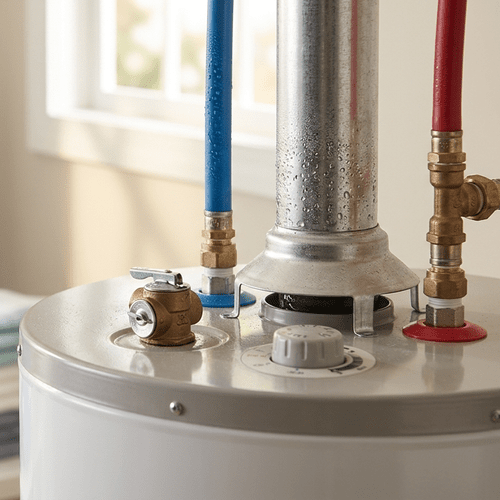
Quick Answer: It surprises people, because incoming water is actually warmer in summer, so the heater should keep up more easily. When hot water runs out faster in summer, the cause is usually higher demand — more frequent showers, guests, more laundry — or you simply set the water cooler and mix in less hot, so it "runs out" sooner. Sediment buildup in the tank, common in hard water, also shrinks capacity year-round. The real culprit is usually usage, not the heater itself.
This one runs against intuition. In winter, the water coming into your heater is colder, so the heater has to work harder, and you'd expect to run short sooner — yet plenty of people notice the opposite, running out of hot water faster in the summer. The explanation usually isn't that the heater makes less hot water in summer; it's that summer changes how much hot water you use and how you use it. Once you see what's actually driving it, the fix is clear.
First, the Counterintuitive Part
Your water heater takes in cold water from the supply and heats it. In winter, that incoming water is much colder, so the heater works harder and takes longer to recover a full tank, which is when many people actually run short. In summer, the incoming water is warmer, so the heater reheats faster and should, in theory, keep up better. So if you're running out faster in summer, something other than the heater's heating ability is at play. That points the investigation toward how much hot water you're drawing and how the tank's real capacity may have changed.
The Real Reasons It Happens in Summer
You're Simply Using More
Summer often means more hot-water demand without you fully noticing: more frequent showers after being outside in the heat, houseguests and kids home from school, extra loads of laundry from pool towels and active days, and more rinsing off. The tank holds the same amount, but you're drawing it down faster and more often, so it runs out sooner. This is the most common reason by far — it's a demand problem, not a heater problem.
You're Mixing In Less Hot Water
In summer, people often want cooler showers, so they use a higher proportion of cold water and less hot water. That can cut both ways: you might use less hot water overall, but if several people take back-to-back warm showers, the pattern of constant small draws can still empty a tank that hasn't fully recovered between them. Some people also lower their water heater's thermostat in summer, which reduces the reserve of very hot water available to stretch with cold.
Sediment Has Shrunk the Tank's Capacity
This one isn't seasonal, but it makes any high-demand period worse. In hard water — common across the Valley — minerals settle into a sediment layer at the bottom of the tank, taking up space that used to hold hot water. So your effective capacity is already reduced, and when summer demand spikes, you hit "empty" faster than you would with a clean tank. A heater that also rumbles or pops is very likely carrying a sediment load.
| Why it runs out faster in summer | What's really happening |
|---|---|
| More showers, guests, laundry | Higher demand draining the tank faster |
| Back-to-back short draws | Tank can't fully recover between uses |
| Lower thermostat setting | Smaller reserve of hot water to stretch |
| Sediment buildup | Reduced tank capacity year-round |
| Aging or undersized heater | Can't keep up with peak demand |
What to Do About It
Start by matching the fix to the cause. If it's demand, spreading out hot-water use — spacing out showers, running laundry, and the dishwasher at off-peak times rather than all at once — gives the tank time to recover between draws. If sediment is suspected (especially with rumbling), flushing the tank can restore lost capacity, and treating the hard water that causes it prevents the buildup from returning. Check your thermostat setting, too: if it was turned down, it reduces the amount of usable hot water.
If the household has truly outgrown the tank — more people than it was sized for, or constant back-to-back demand — the real answer may be a larger tank or a tankless unit that supplies continuous hot water and never "runs out" the way a tank does. A plumber can confirm if the cause is demand, sediment, or simply an undersized heater, which is the difference between a free habit change and an equipment upgrade. It's worth pinning down before spending money, since the answer ranges from rearranging when you run the dishwasher to installing a new unit — a wide gap that only a proper look at the tank and your usage can close.
Frequently Asked Questions
Usually because of higher demand, not the heater making less hot water. Summer brings more frequent showers, houseguests, and laundry, so the tank gets drawn down faster and more often. Incoming water is actually warmer in summer, so the heater recovers faster — meaning the shortfall is about how much you're using, plus possibly sediment that has reduced the tank's capacity. It's typically a usage issue.
In terms of the heater's ability, yes — warmer incoming water in summer lets the heater recover a full tank faster than in winter, when cold incoming water makes it work harder. So if you're running short in summer, it's not the heater's heating ability. It's higher summer demand drawing the tank down faster, or reduced capacity from sediment, overwhelming a heater that's actually working efficiently.
Yes. In hard water, minerals settle into a sediment layer at the bottom of the tank, occupying space that used to hold hot water and reducing your effective capacity year-round. That smaller reserve runs out faster when demand is high, such as during a busy summer. A heater that rumbles or pops likely has sediment; flushing the tank can restore capacity, and softening the water prevents it from rebuilding.
Spread out demand so the tank can recover between draws — space out showers and run laundry and the dishwasher at separate times rather than all at once. Flush the tank if sediment has built up, check that the thermostat wasn't turned down, and treat hard water to prevent sediment. If the household has simply outgrown the tank, a larger or tankless unit may be the lasting fix.
It can be the right move if your household regularly outgrows a tank heater's capacity — a tankless unit heats water on demand and provides continuous hot water, so it doesn't "run out" the way a tank does during back-to-back use. Whether it's worth it depends on your demand, setup, and goals. A plumber can assess whether an upgrade makes sense or whether a flush and habit change solves it.
It's Usually Demand, Not the Heater
Running out of hot water faster in summer feels backward, since the heater actually recovers more easily with warmer incoming water. The real driver is almost always summer's higher demand — more showers, guests, and laundry — sometimes worsened by sediment quietly shrinking the tank's capacity. Spread out your hot-water use, flush the tank if it's full of sediment, and if the household has simply outgrown it, look at a bigger or tankless unit. The fix follows the cause.
Running out of hot water during the busy summer? — Get the tank flushed, sized, and the cause sorted out. MNS Plumbing & Drain Cleaning serves Anthem and the Valley. ROC 262137. Call (602) 362-4524.
