
Sewer Smell in Just One Bathroom? What It’s Telling You
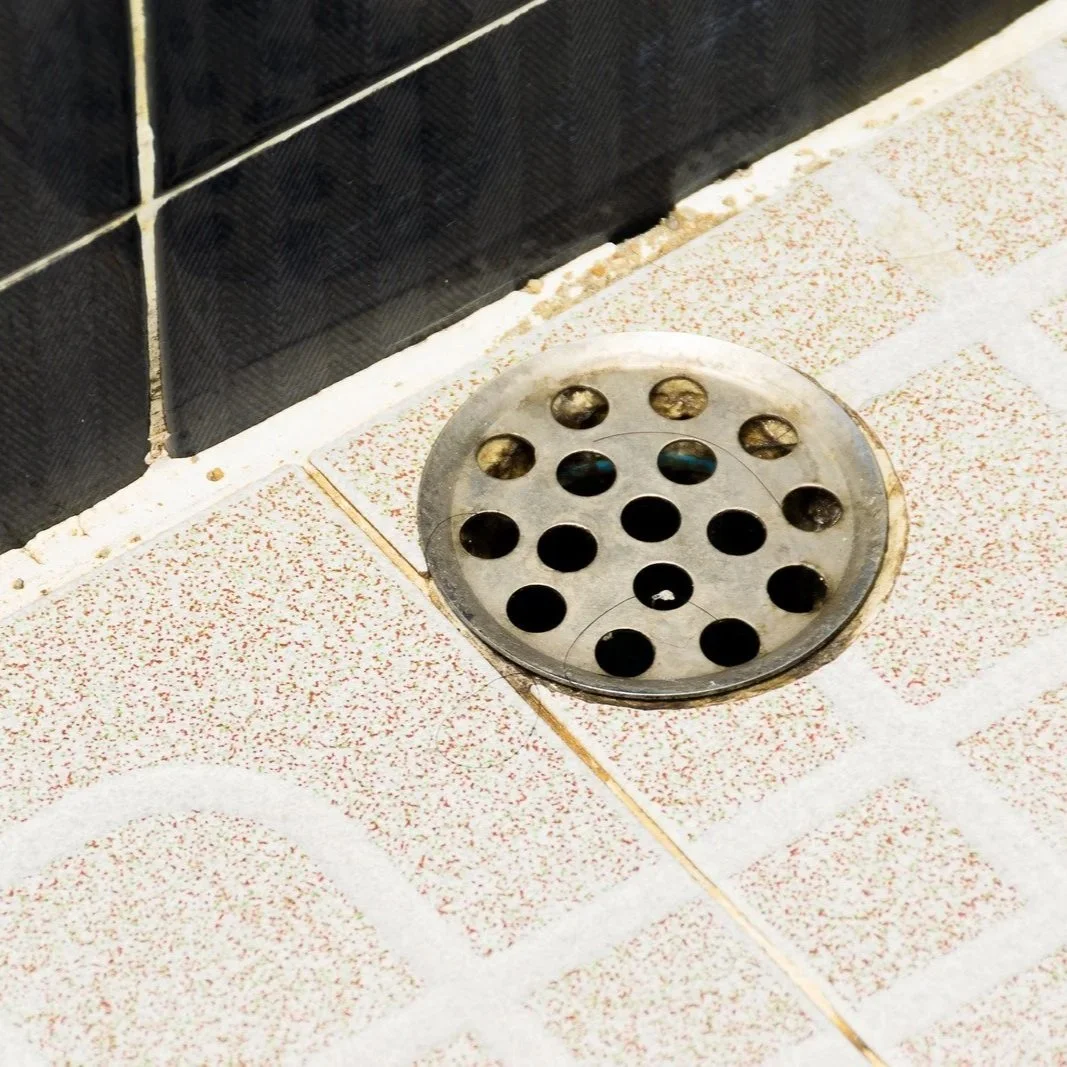
Quick Answer: A sewer smell confined to one bathroom is usually a local problem in that room's plumbing, not the whole system. The most common cause is a dried-out P-trap in a seldom-used fixture, which lets sewer gas rise through the drain. Other causes include a failed wax ring under the toilet, a venting problem specific to that bathroom, a dry floor-drain trap, or buildup in the overflow or drain. Because the smell is in one spot, the source is almost always tied to that room's fixtures and connections. Sewer gas is unpleasant and shouldn't be ignored, but a localized smell usually has a localized, fixable cause.
A sewer smell that shows up in just one bathroom — while the rest of the house smells fine — is actually a helpful clue. The fact that it's localized tells you the problem is in that room's plumbing rather than something widespread. Knowing the usual suspects helps you find why that one bathroom has started to smell.
How Your Plumbing Keeps Sewer Gas Out
Every drain in your home connects to the sewer or septic system, which naturally contains gas. The plumbing is designed to let water and waste flow down while blocking that gas from coming back up, and it does this with two key features: traps and vents.
A trap is the curved section of pipe under every fixture — the U-shaped bend you can see under a sink. It holds a small amount of water that forms a seal, blocking sewer gas from rising through the drain. Vents, meanwhile, run up through the roof to let the system breathe, equalizing pressure so the traps hold their water. When a sewer smell appears in one bathroom, one of these protections has usually failed in that room.
Cause One: A Dried-Out Trap
The single most common cause of a localized sewer smell is a dry trap. The water seal in a trap relies on regular use to stay topped up. In a guest bathroom, a rarely used shower, or a seldom-used sink, the water in the trap can slowly evaporate over weeks. Once it's gone, there's nothing blocking the sewer gas, and it rises right up through the drain into that one room. The giveaway is a smell from a fixture that doesn't get used often.
The fix is often as simple as running the water to refill the trap. If that clears the smell, a dry trap was the cause.
Cause Two: A Failed Toilet Seal
A toilet sits on a wax ring that seals it to the drain flange in the floor. If that ring fails, dries out, or the toilet eaksloosens and broken the seal, sewer gas can escape from the base of the toilet — and sometimes water, too. A smell that seems to come from around the toilet base, especially with any rocking or moisture there, points to a failed wax ring. This one needs the toilet reset with a new seal.
| Symptom | Likely cause |
|---|---|
| Smell from a rarely used fixture | Dried-out P-trap |
| Odor around the toilet base | Failed wax ring |
| Gurgling plus smell | Venting problem |
| Smell near a floor drain | Dry floor-drain trap |
| Smell from the sink only | Buildup in drain or overflow |
Cause Three: A Venting Problem
If that bathroom's vent is blocked or improperly configured, it can disrupt the pressure that keeps the traps sealed. A blocked vent can siphon water out of a trap as other fixtures drain, breaking the seal and letting gas through. Venting problems often produce a gurgling sound from the drains as air is drawn through the trap. Because vents are specific to fixture groups, a venting issue can affect one bathroom while leaving the rest of the house fine.
Cause Four: Drain or Overflow Buildup
Sometimes the smell isn't sewer gas at all, but buildup. Hair, soap scum, and organic gunk accumulating in a drain or in a sink's overflow opening can develop their own foul odor that's easy to mistake for sewer gas. This tends to be a sink-specific smell that's strongest right at the drain. Cleaning the drain and overflow clears it.
Don't ignore a persistent sewer smell. Sewer gas contains compounds that are unpleasant and, in higher concentrations in an enclosed space, can be harmful to breathe. If a smell is strong, constant, and doesn't clear after refilling traps, have it investigated rather than just masking it with air freshener.
Why the Location Is Your Best Clue
The most useful thing about a one-bathroom sewer smell is precisely that it's confined to one bathroom. That narrows the cause to that room's fixtures, traps, seals, and vent — you're not chasing a whole-house problem. Start with the simplest explanation: if a fixture is rarely used, run the water and see if the smell clears. If it's around the toilet, suspect the seal. If there's gurgling, think venting. Working from the localized clue outward usually finds the source quickly, and most of these causes are simple fixes once identified.
Frequently Asked Questions
Because the problem is local to that bathroom's plumbing. The most common cause is a dried-out trap in a fixture that isn't used often, allowing sewer gas to rise through the drain. Other localized causes include a failed toilet seal, a venting issue, or drain buildup. The fact that it's confined to one room points to that room's fixtures.
Run water in the fixture to refill the trap's water seal. In a rarely used sink, shower, or floor drain, the trap water evaporates over time, removing the barrier against sewer gas. Running the water for a bit restores the seal, and if the smell clears, a dry trap was the cause. Periodically running rarely used fixtures prevents it.
It often means the wax ring sealing the toilet to the drain has failed, letting sewer gas escape from the base. This sometimes comes with the toilet rocking or moisture around the base. The fix is resetting the toilet with a new seal. A smell specifically around the toilet base, rather than the drain, points to this cause.
Yes. If that bathroom's vent is blocked or faulty, it can disrupt the pressure that keeps the traps sealed, even siphoning water out of a trap as other fixtures drain. That breaks the seal and lets gas through. Venting problems often come with gurgling drains, and because vents serve specific fixtures, the issue can affect one bathroom.
A faint, occasional smell from a dry trap is usually more unpleasant than hazardous and clears easily. But a strong, persistent sewer smell shouldn't be ignored, because sewer gas contains compounds that can be harmful to breathe in higher concentrations in an enclosed space. If the smell is constant and doesn't clear after refilling traps, have it investigated.
Intermittent smells often relate to use patterns and venting. A trap may smell only after the fixture has gone unused long enough to partly evaporate, or a venting issue may let gas through only when other fixtures drain and pull on the trap. Noting when the smell appears — after disuse, or when another fixture runs — helps pinpoint the cause.
Let the Single Room Lead You to the Source
A sewer smell in just one bathroom tells you the problem is in that room — most often a dried-out trap, sometimes a failed toilet seal, a venting issue, or drain buildup. Start with the easy check of running the water to refill traps, and use the location and any gurgling as clues. Because the cause is localized, it's usually found and fixed without much trouble once you know where to look.
Sewer smell stuck in one bathroom — Get the trap, toilet seal, and venting checked to find and fix the source. MNS Plumbing & Drain Cleaning serves Anthem and the Valley. ROC 262137. Call (602) 362-4524.
