
Preventing Plumbing Disasters: Smart Strategies Every Homeowner Should Know
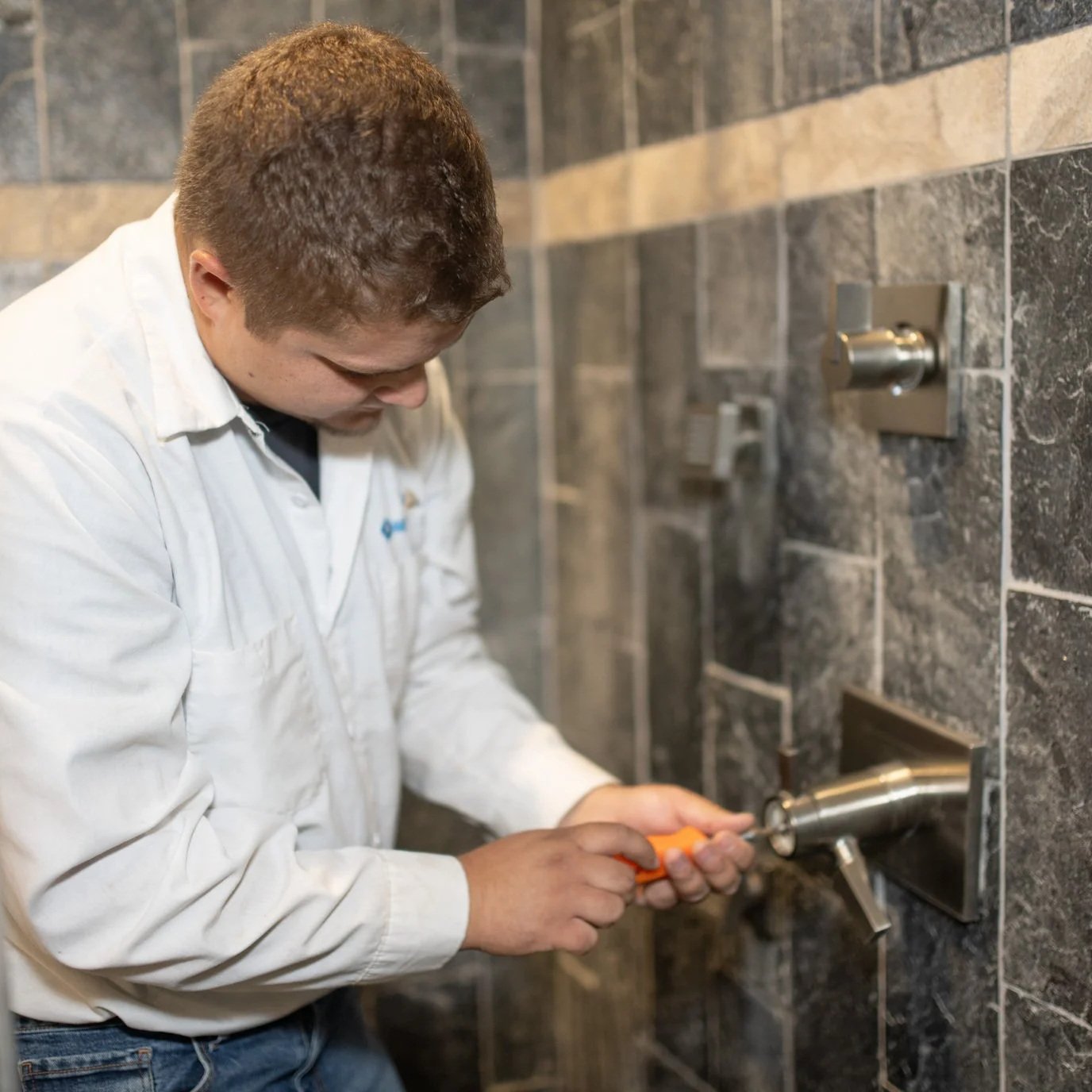
Whether you’re preparing your home for a season change, planning a remodel, or simply living your everyday life, knowing how to prevent plumbing disasters protects your property, your money, and your peace of mind.
A major plumbing disaster — burst pipes, sewer backups, overflows, or catastrophic leaks — can turn a normal day into a nightmare and rack up thousands of dollars in repairs. Fortunately, most plumbing disasters don’t happen out of the blue; they develop slowly from smaller issues that could have been prevented with awareness, routine maintenance, and timely action. Whether you’re preparing your home for a season change, planning a remodel, or simply living your everyday life, knowing how to prevent plumbing disasters protects your property, your money, and your peace of mind.
Plumbing systems are complex networks of water supply pipes, drain/waste/vent lines, fixtures, appliances, valves, and fittings. These components quietly support daily life — showers, toilets, dishwashers, washing machines, outdoor spigots, and irrigation — and are stressed by constant use, temperature changes, mineral buildup, and occasional misuse. Because much of the system is hidden behind walls, under floors, or beneath concrete slabs, small problems often go unnoticed until they escalate. Learning the most common disaster triggers and how to prevent them helps you catch minor issues early, reduce emergency calls, and keep your home functioning smoothly.
Spotting Early Warning Signs Before They Become Disasters
The first step in stopping plumbing disasters is to recognize the warning signs that something is wrong. Many homeowners ignore subtle cues — a slight decrease in water pressure, a faint odor near a drain, hairline cracks near a baseboard, gurgling sounds in a toilet, or a slow-draining tub — because the problem doesn’t seem urgent. In reality, these small symptoms are often the first indicators of bigger issues.
Slow drains, for example, usually signal partial blockages deep in the line. Left unaddressed, those partial clogs become complete backups that can send raw wastewater into your home. A sudden drop in water pressure may indicate mineral buildup, a leaking fitting, or a failing fixture. Ignoring persistent low-pressure stresses on pumps can lead to burst seals or pipe failure. Foul odors emanating from drains often mean traps are dry, venting is compromised, or organic buildup is accumulating far inside drain lines.
Ignoring early warning signs is one of the most common reasons plumbing issues escalate into disasters. Homeowners rarely connect a slight discoloration on the ceiling below a bathroom drain to a hidden slow leak above — until that leak becomes a wet, moldy mess that requires demolition and replacement.
Regular Maintenance Routines That Stop Problems Early
Routine maintenance is the best defense against costly plumbing emergencies. Unlike most home systems that you interact with daily, plumbing often remains out of sight — and out of mind — until a failure occurs. Establishing a simple maintenance schedule keeps small problems from growing unnoticed.
Start with drain care. Kitchen sinks, bathroom showers, and laundry drains benefit from periodic cleaning to remove hair, soap residue, grease, and other debris that accumulate in traps and drain lines. Avoid harsh chemical drain cleaners, which can erode pipes over time. Instead, use mechanical methods, gentle enzyme cleaners, or professional cleaning to keep flows smooth. Installing drain strainers catches solids before they enter the system, preventing buildup at the source.
Check visible fixtures regularly for leaks, corrosion, or dampness. A faucet that drips when off may seem harmless, but each tiny drop adds up to gallons of waste and signals a worn washer or seal. Under-sink cabinets should be inspected monthly for moisture, rust, or warping — early signs of a slow leak that can easily go unnoticed.
Another key maintenance task is monitoring water pressure. Excessive pressure stresses pipe walls, joints, and fixtures, increasing the risk of sudden failure. Installing and periodically testing a pressure regulator where your main supply enters the home ensures that pressure stays within safe limits. A typical acceptable range is between 40 and 60 pounds per square inch; anything significantly higher should be adjusted by a professional.
Seasonal maintenance matters too. In colder climates, draining outdoor hoses, insulating exposed pipes, and winterizing sprinkler systems prevent freeze-related bursts. In hot weather, ensuring adequate flow and proper hose bib function reduces stress on supply lines under heavy irrigation use.
Upgrade and Replace Aging Components Before They Fail
No matter how well you care for your plumbing, age eventually takes its toll. Pipes corrode, seals wear out, joints loosen, and materials degrade. Replacing components proactively — before failure — is one of the most useful ways to prevent plumbing disasters. This doesn’t mean replacing everything at once, but it does mean recognizing which parts are nearing the end of their lifespan.
Galvanized steel pipes, common in older homes, rust from the inside out, restricting flow and weakening gradually until failure. Upgrading to modern materials like PEX or copper improves water quality, reduces corrosion risk, and extends the life of the system. Water heaters, too, have finite lifespans — typically a decade or so — before sediment buildup and corrosion compromise performance. Replacing units before they fail avoids sudden loss of hot water and the risk of leakage that can damage flooring and cabinetry.
Toilets, faucets, shower valves, and supply lines are subject to constant use and often show wear before major problems occur. If a fixture requires frequent tightening or adjustment, consider replacing it with a modern, efficient model that minimizes waste and improves performance.
Proactive replacement also includes upgrading to water-efficient fixtures that reduce demand on supply lines and reduce the volume of wastewater entering drain systems. While this doesn’t directly prevent disaster, it lowers stress on the entire system, reducing the likelihood of overloads and backups.
Protecting Your Pipes: Temperature, Pressure, and Physical Barriers
Pipes may be hidden, but they’re still vulnerable to environmental stresses. Temperature fluctuations, physical impact, and pressure changes all contribute to system failure if not mitigated. Insulating exposed water lines in basements, crawl spaces, and exterior walls reduces the risk of freezing in winter and reduces temperature-related stress overall. Insulation also dampens condensation that can lead to rot or mold.
Outdoor plumbing — hose bibs, irrigation lines, pool fill valves — deserves special attention because it’s exposed to the elements and heavy seasonal use. Installing frost-proof hose bibs, winterizing sprinkler systems, and protecting exposed piping with insulation or shielding prevents cracks and bursts that often occur during cold snaps.
Water hammer — loud banging sounds when valves close — indicates pressure shocks within the system that can loosen fittings or weaken pipe walls. Installing water hammer arrestors or adjusting shut-off valve closure rates minimizes these shocks and prolongs the life of joints and connections.
Smart Devices and Detection Tools That Prevent the Worst
Technology offers powerful tools for preventing plumbing disasters before they occur, particularly in larger homes or properties where leaks can go undetected for hours or days. Smart water detectors placed near fixtures, under sinks, behind toilets, and near appliances like dishwashers and washing machines monitor moisture levels continuously. If water appears where it shouldn’t, these devices alert you instantly via smartphone or in-home alarm, allowing you to intervene before damage spreads.
Automatic shut-off valves connected to smart sensors take this a step further by isolating the water supply when a leak is detected. This is especially valuable for homes with frequent travel, elderly residents, or systems with previous minor leaks that could worsen when unattended. These shut-off systems prevent thousands of dollars of damage in a matter of minutes.
For underground or slab-embedded pipes, camera inspections and periodic professional drain evaluations identify early signs of root intrusion, corrosion, misalignment, or blockages before they cause backups or cracks. These inspections, while not needed annually in every home, are invaluable after older drain systems have served for many years.
The Role of Professional Inspections and Routine Service
While homeowners can do a lot on their own, no amount of DIY care replaces the expertise of a licensed plumber. Professional inspections provide deep insight into what’s happening behind walls and beneath floors — areas you simply can't see. Plumbers use pressure testing, video inspection cameras, thermal scanning, and diagnostic tools to find concealed leaks, compromised joints, and areas of future concern.
Routine professional service — annual or biannual checks — catches problems early when repairs are simpler, faster, and less expensive. For example, diagnosing a developing joint leak before it saturates framing or finishes saves thousands in restoration costs. Professionals also ensure that code requirements are met on all modifications, protecting your home from unsafe conditions and potential insurance issues.
Everyday Habits That Reduce Risk and Increase Longevity
Prevention is not only about large upgrades and professional inspections — it’s also about everyday habits that support plumbing health. Simple actions like not pouring grease down kitchen sinks, avoiding flushing anything other than toilet paper and waste, regularly cleaning aerators and showerheads, and monitoring water usage patterns keep your system performing well.
Educating everyone in the household about how to treat drains and fixtures — such as using strainers to catch hair and debris and reporting slight changes in water pressure or noise — creates a culture of care that prevents problems before they become emergencies.
When to Act and What to Do Next
If you notice a story like this — a slow drip under a sink, persistent odors from drains, unexplained water stains, sudden spikes in your water bill, gurgling sounds, or slight dampness near floors — don’t wait. These early signs are messages from your plumbing system telling you something needs attention. Acting promptly prevents escalation and protects your home’s value.
The best approach merges thoughtful observation, preventive maintenance, smart upgrades, technology, and professional support. Plumbing disasters are expensive and disruptive, but with the right strategy, most are entirely avoidable.
FAQ: Preventing Plumbing Disasters
What’s the first sign that a plumbing disaster might be developing?
Early signs include slow drains, gurgling sounds, odd odors, unexpected moisture, and sudden changes in water pressure.
Can small leaks really cause big problems?
Yes. Even slow drips waste water and gradually saturate structures, leading to mold, rot, and costly repairs if left unchecked.
How often should I inspect my plumbing?
A quick self-inspection every few months and a professional inspection annually or biannually keep issues from becoming emergencies.
Are smart water detectors worth the cost?
For many homes — especially those with travel or older plumbing — smart detectors offer early warnings that prevent major water damage.
Should I address minor plumbing issues myself or call a professional?
Routine checks and small maintenance are fine DIY tasks, but visible leaks, pressure issues, or problems inside walls or slabs are best handled by a licensed plumber.
If you need a licensed, bonded, insured plumber for your Phoenix area leak or your next plumbing project, call MNS Plumbing today.
