Plumbing Code Violations Every Homeowner Should Know — Avoid Costly Mistakes and Protect Your Home
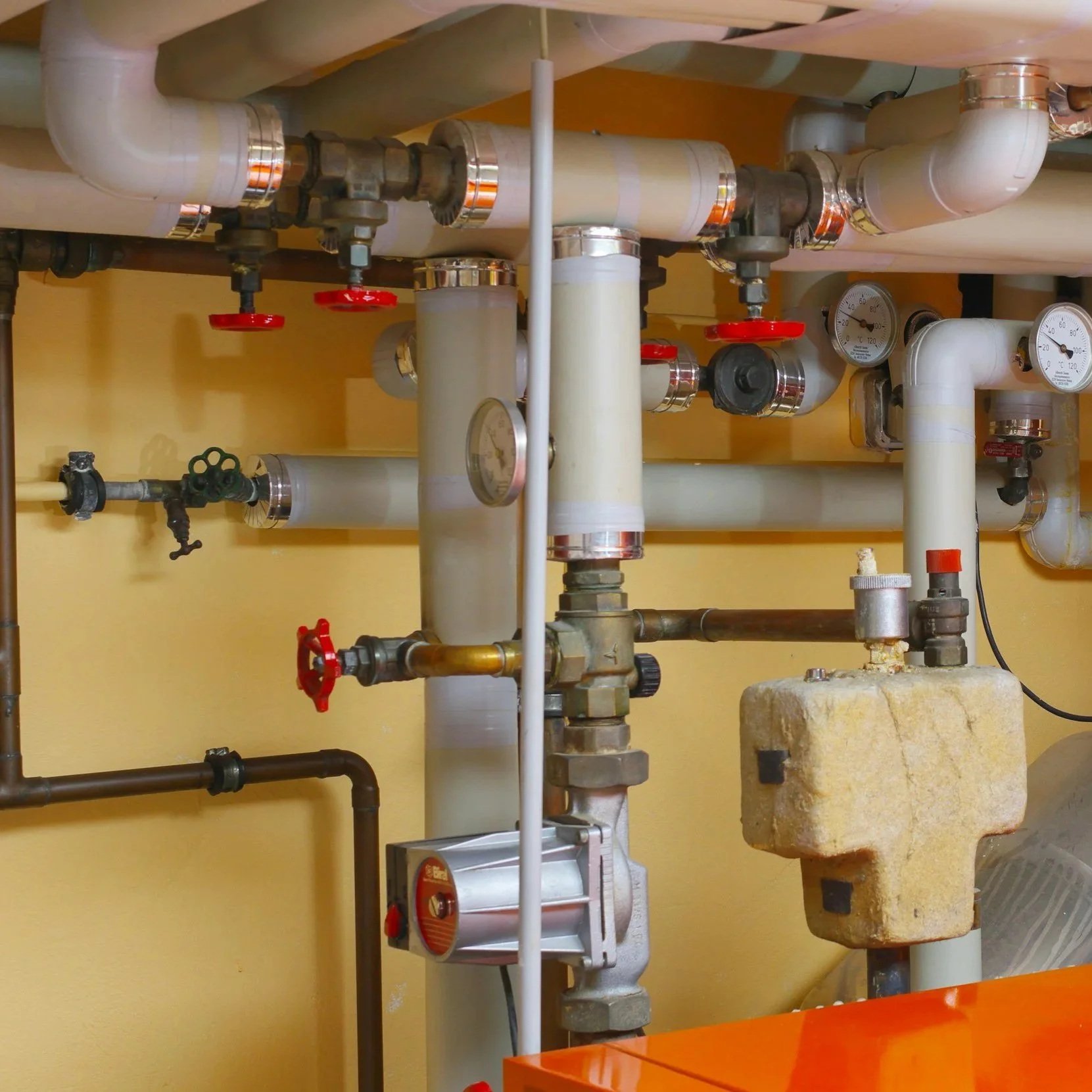
Plumbing codes are not arbitrary rules; they’re meticulously designed standards that ensure systems are safe, sanitary, durable, and compatible with the rest of your home’s infrastructure.
Plumbing is one of the most hidden yet essential systems in your home. It quietly delivers clean water, removes wastewater, and protects your indoor spaces from contamination and moisture damage. Because mistakes in plumbing installations or repairs can lead to water damage, mold, health hazards, and costly repairs, building codes exist—and they matter. Plumbing codes are not arbitrary rules; they’re meticulously designed standards that ensure systems are safe, sanitary, durable, and compatible with the rest of your home’s infrastructure. When codes are ignored or violated, the consequences can range from minor annoyances to major hazards that put your property, your health, and your finances at risk.
Understanding common plumbing code violations helps you identify issues early, communicate clearly with contractors, and protect your investment, whether you’re building new, remodeling, or repairing existing systems. Even small mistakes — poorly pitched drain lines, incorrect fixture installations, improper venting — can violate code and create ongoing problems that only become visible when water backs up, pipes leak, or walls and floors stain. Because plumbing work is often hidden behind walls, beneath floors, and outside exterior finishes, code compliance isn’t something you see every day — but you should think about it every time a job involves pipes, fixtures, venting, or connections.
Why Plumbing Codes Matter
Plumbing codes are safety, sanitation, and performance standards adopted by governing bodies at the state or local level. They specify how many fixtures are required in a building, how piping should be sized, how vents must be installed, how waste should flow away from the living space, and how water supply lines must be protected against contamination. When a system follows code, it minimizes the risk of leaks, contamination, sewer gas entering the home, structural damage, and long-term inefficiency.
A violation isn’t just about rules — it’s about risk. Improper venting can allow sewer odors and gases into living areas. Incorrect drain pitches cause slow drainage and backups. Unprotected pipe connections can allow cross-contamination between potable water and unsafe sources. These issues don’t always show up immediately, but they always create inefficiency and potential hazards over time. When you understand the common violations that inspectors look for, you become a smarter homeowner and better prepared to avoid trouble before it becomes expensive.
Improper Drainage Slope and Pipe Pitch
One of the most pervasive — and often overlooked — plumbing mistakes involves the slope or pitch of drain lines. Wastewater drains from fixtures to the sewer line by gravity. To work properly, the pipe must be installed with a specific slope: not so steep that water runs ahead of solids, and not so flat that solids get stuck. Too little slope causes slow draining, gurgling noises, and recurring clogs. Too much slope causes water to “outrun” solid waste, leading to buildup in the pipe and later backups.
In single-bathroom remodels, DIY drainage reroutes often violate pitch standards because installers simply follow the easiest path rather than a code-mandated angle. The result is a system that looks connected but performs poorly or damages joints as pressure points build up. A correct drainage slope is one of those invisible requirements that make a big difference in daily performance and long-term reliability.
Venting Errors: Why Vents Are Critical
Venting is another area where code violations commonly occur. Most homeowners don’t think about vent pipes — the vertical pipes that rise up through the roof —, but venting is critical to proper plumbing performance. Vents allow air to enter the drainage system so water flows smoothly and traps remain intact. Without adequate venting, you’ll notice slow drains, gurgling, foul odors, and traps that lose their water seal, allowing sewer gas into your home.
Common venting violations include unvented fixtures, shared vents that aren’t sized properly, and horizontal vent runs that don’t stay within allowed distances from fixtures. When vents aren’t placed or sized correctly, water can siphon out of traps, leaving them “dry” and ineffective at blocking sewer gas. Even experienced installers sometimes violate this code area by extending vents incorrectly or abandoning them inside walls where they shouldn’t be.
Incorrect Fixture and Pipe Sizing
Plumbing codes specify how pipes and fixtures should be sized based on the total demand of a building. This ensures that water supply lines have enough capacity to serve all fixtures without excessive pressure drops, and that drainage lines are large enough to carry wastewater without backups. A common violation occurs during additions or renovations when smaller pipes are extended rather than upgraded to proper sizes. For example, connecting a large bathroom addition to a drain line sized only for a small fixture load creates a violation and a performance problem.
Sizing violations also occur with long horizontal runs that exceed code limits without additional venting or cleanouts. Long, unbroken runs of pipe are prone to blockage and require strategically placed access points for cleaning. When these rules are ignored, the result is a system that may pass a casual visual inspection but fails functional expectations during heavy use.
Backflow and Cross-Connection Issues
One of the most serious plumbing code violations — and one that homeowners should take very seriously — involves backflow and cross-connections. Backflow happens when water flows in the opposite direction of its intended path, potentially carrying contaminants into the clean water supply. Codes require backflow prevention devices on hose bibs, irrigation systems, and any situation where potable water lines connect to equipment that could introduce contaminants.
A common scenario is a garden irrigation system tapped directly into a potable supply without a proper backflow preventer. If pressure drops in the supply line, contaminated irrigation water can be drawn back into the home’s potable water. Cross-connections inside homes — such as a washing machine feed line without proper backflow protection or a utility sink connected improperly — also risk contaminating drinking water. These violations are often invisible until a contamination event occurs, which is why codes mandate protective devices and testing procedures.
Improper Cleanout Access
Cleanouts are access points installed in drain lines so plumbers can clear blockages without breaking or damaging pipe runs. Code requires cleanouts at specific intervals, at changes in direction, and at strategic locations throughout the drainage network. When cleanouts are omitted, placed in inaccessible locations, or improperly capped, they violate plumbing code and make routine maintenance much more difficult. Without proper cleanout access, a simple clog can require opening a wall or cutting into a pipe — dramatically increasing repair costs and damage to finishes.
Access violations also occur when cleanouts are installed behind built-in cabinetry or blocked by permanent fixtures. Code requires that cleanouts be reachable without disassembling surrounding structures, which ensures that maintenance can occur quickly and cleanly.
Improper Materials and Connections
Using the wrong materials for a particular application is another frequent code violation. Different piping materials — PVC, CPVC, PEX, copper, cast iron, and others — each have specific approved uses based on temperature, pressure, and location. For example, certain materials may be allowed for drain lines but not for hot-water supply lines, or vice versa. Mixing incompatible materials without proper transition fittings also violates code and can lead to leaks or corrosion.
Improper connections — such as using solvent welds where compression fittings are required, or failing to use approved adapters between different pipe types — are common mistakes in DIY repairs and hurried installations. These violations often don’t show immediate symptoms, but over time, they weaken joints and increase the risk of leaks.
Improper Location of Fixtures and Drains
Codes also dictate where fixtures and drains can be located relative to property lines, electrical systems, and other utilities. For example, a toilet cannot be installed too close to a wall or obstruction that would restrict use or maintenance. A floor drain must be placed in a location that effectively collects water without causing tripping hazards or conflicts with mechanical equipment.
Violations of fixture location often occur in bathroom additions or in hobby room sinks installed without regard for spacing requirements. These placement rules ensure usability, cleanability, and safety — which is why building inspections check for them.
Why DIY Plumbing Work Can Lead to Violations
Attempting plumbing repairs or installations without a clear understanding of code requirements is one of the fastest ways to create violations. Even small jobs — like relocating a sink drain or adding a bathtub supply line — involve rules that govern fixture distance, pipe slope, venting, cleanouts, and materials. Without professional training or inspection, it’s easy to overlook these rules and end up with a system that looks functional but fails code — and will likely fail sooner rather than later.
Even well-intentioned DIY upgrades can lead to concealed problems that inspectors or licensed plumbers identify later as violations. The cost of correcting these problems after walls and floors are finished is exponentially higher than planning with code in mind from the outset.
Protecting Your Home Through Code Compliance
The strongest protection homeowners have against plumbing failures is compliance with codes and standards. Whether you’re renovating, adding fixtures, or addressing a plumbing problem, working with a licensed plumber ensures that installations meet code, operate safely, and avoid hidden hazards. Professionals understand how to size pipes correctly, install vents, prevent backflow, place cleanouts appropriately, and select proper materials.
Code compliance also matters when selling or refinancing a home. Inspections often include plumbing checks, and violations must be corrected before closing. Investing in a code-compliant system today avoids surprises tomorrow.
FAQ: Common Plumbing Code Violations Every Homeowner Should Know
What happens if plumbing doesn’t meet code?
Non-compliant plumbing can lead to leaks, poor performance, health hazards, and may have to be corrected before selling or refinancing the home.
Why is proper venting required in plumbing systems?
Venting prevents sewer gases from entering living spaces and keeps drains flowing smoothly without gurgling or siphoning action.
What is backflow, and why must it be prevented?
Backflow is the reversal of water flow that can carry contaminants into the potable water supply; code requires backflow prevention devices to protect drinking water.
Can I fix plumbing issues myself without violating code?
DIY work often violates local code requirements unless you are thoroughly familiar with them; licensed professionals help ensure compliance.
What’s the most common code violation in home renovations?
Common violations include improper pipe slope, inadequate venting, lack of cleanout access, and incorrect materials or connections.
If you need a licensed, bonded, insured plumber for your Phoenix area leak or your next plumbing project, call MNS Plumbing today.
