Plumbing Disasters and how to Avoid Them
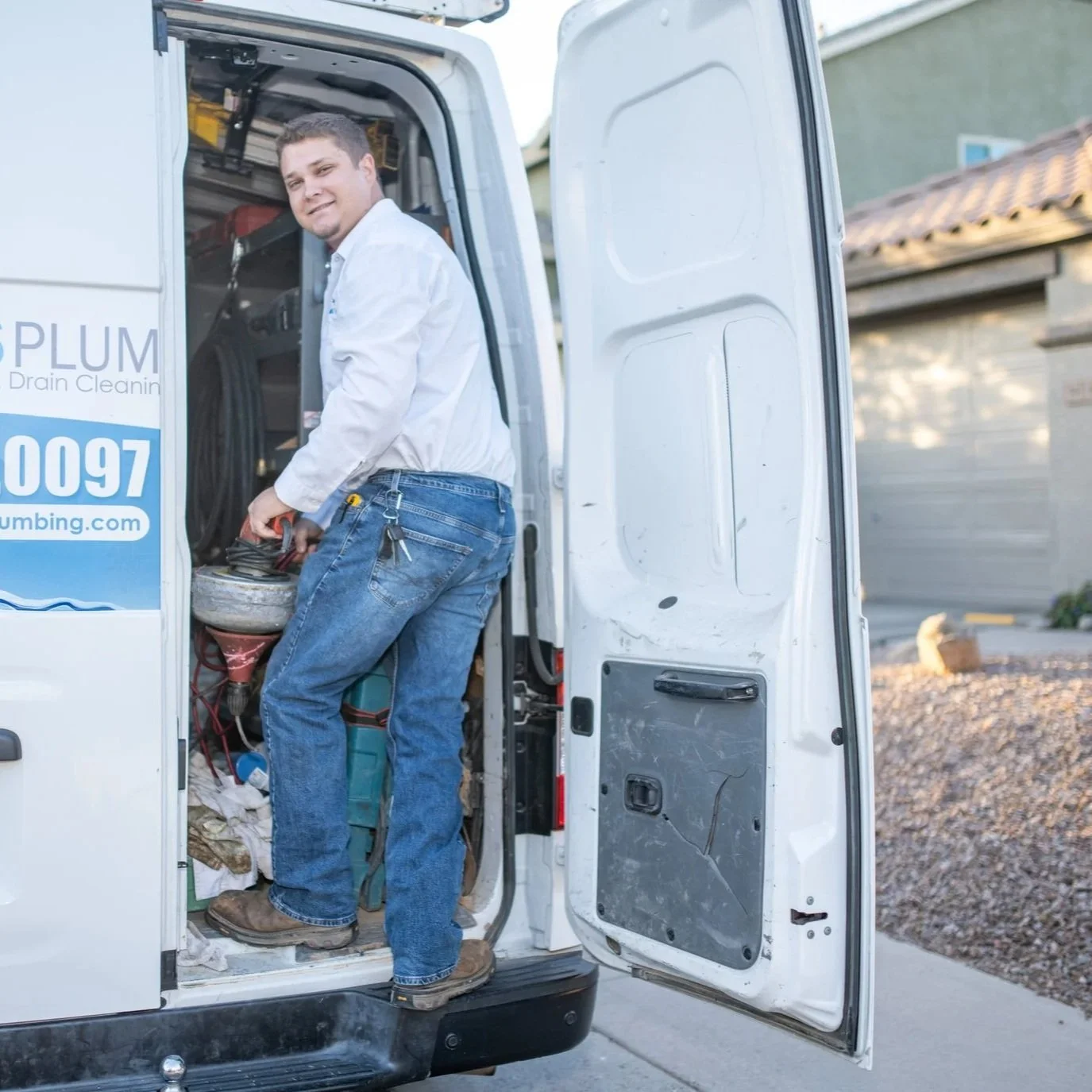
The good news is that a large percentage of plumbing catastrophes are preventable with the right knowledge, maintenance habits, and proactive solutions.
Plumbing disasters can happen suddenly and create costly, stressful damage to your home. Whether it’s a burst pipe, a sewer backup, an overflowing toilet, or a hidden slab leak, these emergencies often escalate quickly — especially if not detected early. The good news is that a large percentage of plumbing catastrophes are preventable with the right knowledge, maintenance habits, and proactive solutions.
This comprehensive homeowner’s guide explains the causes of common plumbing emergencies, early warning signs to watch for, practical prevention strategies, routine maintenance tips, and when to call a professional. By understanding what triggers plumbing failures and how to avoid them, you protect your home’s comfort, safety, and value.
What Is a Plumbing Disaster?
A plumbing disaster is any failure in your home’s water supply, drainage, or sewer systems that causes significant water damage, disrupts normal function, or poses health risks. These issues go beyond typical repairs and require immediate attention. Examples include:
• Burst or leaking pipes
• Sewer line backups
• Overflowing toilets
• Water heater tank failures
• Hidden slab leaks
• Frozen pipes that crack
Left unchecked, water travels quickly through walls, floors, and ceilings, often spreading damage before you even notice the problem.
Why Plumbing Problems Escalate Quickly
Water constantly moves through your home’s infrastructure. When a component fails, standing water and gravity allow it to affect other systems. For example:
• A slow drip can saturate insulation and drywall over weeks
• A hidden slab leak can undermine flooring and structural supports
• A clogged sewer line can cause toilet backups, floor drain issues, or foul odors throughout the home
Because these failures expand rapidly, the earlier you detect and correct the issue, the less damage occurs.
Common Causes of Plumbing Disasters
Several underlying factors contribute to major plumbing failures. Recognizing these causes helps you prevent issues before they happen.
Aging Pipes and Materials
Older homes often contain plumbing made from galvanized steel, cast iron, polybutylene, or clay — materials that corrode, weaken, or fail over time. Corroded pipes are more likely to crack, leak, or burst under pressure.
High Water Pressure
When water pressure is too high, stress builds inside pipes, increasing the likelihood of leaks or bursts at weak points. Consistently high pressure wears down joints and fixtures over time.
Freezing Temperatures
In colder weather, water expands as it freezes. When exposed pipes aren’t properly insulated, expanding ice can build pressure that can cause the pipes to crack or burst.
Tree Roots and Soil Movement
Tree roots naturally grow toward underground water sources. Sewer and drain lines are prime targets, and roots can penetrate joints, crack pipes, and cause blockages. Shifting soil due to drought, rain, or nearby construction also stresses underground plumbing.
Blockages and Improper Use
Clogs caused by grease, hair, wipes, paper towels, and other non-flushable items create pressure buildups that stress pipes. When pressure can’t release properly, fittings or pipe walls can fail.
Early Warning Signs of Plumbing Trouble
Catching issues early keeps them from turning into disasters. Watch for:
• Slow or gurgling drains
• Toilets that don’t flush properly
• Unusual smells from drains or yard areas
• Unexplained spikes in your water bill
• Damp spots on walls, floors, or ceilings
• Persistent leaks under sinks or behind appliances
Addressing these signs early reduces repair costs, avoids emergencies, and preserves your home’s integrity.
Preventing Burst Pipes and Leaks
Burst pipes can cause some of the worst water damage, but they’re often preventable.
Insulate Vulnerable Pipes
Fully insulate pipes in unheated spaces, such as attics, crawl spaces, garages, and exterior walls. Insulation protects lines from cold air and reduces the risk of freezing.
Maintain Indoor Temperatures
Keep your home’s temperature above freezing even when you’re away. Temporary dips below freezing dramatically increase the chances of pipe damage.
Let Faucets Drip in Freezing Weather
During extreme cold spells, letting faucets drip slightly relieves pressure in the pipes and reduces the risk of freezing and bursting.
Monitor Water Pressure
If your water pressure is frequently above 80 psi, consider installing a pressure regulator. Balanced pressure reduces stress on pipes and fixtures.
Preventing Sewer Backups
Sewer backups are messy, unsanitary, and can damage floors, cabinets, and personal property.
Use Drain Screens
Hair, soap residue, and other debris accumulate in shower and sink drains. Drain screens capture solids before they enter the plumbing system.
Avoid Flushing Non-Flushable Items
Products like wipes, paper towels, cotton swabs, and feminine hygiene products do not break down like toilet paper and cause serious sewer line clogs.
Schedule Regular Sewer Line Service
Professional sewer line cleaning with a camera inspection helps identify blockages before they cause backups. Hydro-jetting clears buildup and restores flow.
Water Heater Disaster Prevention
Water heater failures — especially tank leaks — can quickly flood utility areas.
Flush Your Water Heater Annually
Sediment builds up inside tank water heaters, reducing efficiency and straining internal components. Flushing removes sediment and extends lifespan.
Test the Pressure Relief Valve
The pressure relief valve releases excess pressure from the tank. If it’s malfunctioning, excess pressure can lead to leaks or even tank rupture.
Know the Age of Your Unit
Water heaters older than eight to twelve years are at greater risk of failure. Consider replacement before catastrophic leaks occur.
Avoiding Hidden Slab Leaks
Slab leaks occur when water lines beneath concrete flooring crack or leak. These issues often go undetected until serious damage appears.
Watch for Unusual Floor Temperatures
Warm or moist areas on concrete floors may indicate a leaking hot water line beneath the slab.
Monitor Water Meter Usage
Unexpected usage when no water is running often points to hidden leaks.
Add Leak Detection Technology
Water sensor alarms and smart monitoring devices alert you to moisture or unexpected flow before visible damage occurs.
Routine Plumbing Maintenance Checklist
Regular maintenance prevents plumbing disasters and extends system life:
• Inspect visible supply lines and fixtures
• Check for slow drains or pooling water
• Test shut-off valves to ensure they work
• Clean drain traps and aerators
• Inspect irrigation systems seasonally
• Flush water heaters annually
Establishing a yearly maintenance routine catches problems early, reducing emergency calls and costly repairs.
What to Do During a Plumbing Emergency
When a plumbing disaster occurs, swift action is key:
Shut off the main water supply to stop flooding.
Turn off the electricity in the affected area if water is present.
Contain water with towels, buckets, or a wet/dry vacuum.
Call a professional plumber immediately.
Document damage with photos for insurance.
Avoid DIY fixes that could make the problem worse.
Quick, decisive action limits damage and gets your home back to normal sooner.
Choosing a Professional Plumber for Disaster Prevention
Experienced plumbers do more than fix emergencies — they help prevent them. When hiring a plumber, look for:
• Verified licensing and insurance
• Clear written estimates
• Good customer reviews and local reputation
• Emergency service availability
• Expertise in inspection, leak detection, and sewer diagnostics
A reliable plumber becomes a trusted partner in protecting your home’s plumbing system.
Plumbing Disaster Prevention Questions Every Homeowner Should Take Seriously
What usually causes major plumbing disasters?
Major plumbing disasters are often caused by aging or corroded pipes, excessive water pressure, freezing temperatures, severe blockages, and tree root intrusion into sewer lines that weaken or break pipes over time.
How can I reduce the risk of burst pipes?
Insulating exposed pipes, keeping indoor temperatures above freezing, allowing faucets to drip during cold weather, and monitoring water pressure all help reduce the likelihood of pipes bursting.
Why does my water bill suddenly spike?
A sudden increase in your water bill may signal an undetected leak, a running toilet, irrigation system problems, or changes in household usage. Checking your water meter and inspecting fixtures can help pinpoint the issue.
How often should I schedule plumbing maintenance?
Seasonal or annual plumbing maintenance allows small issues to be identified early. Most professionals recommend a yearly inspection to reduce the risk of unexpected and costly plumbing emergencies.
When should I call an emergency plumber?
You should call immediately if you experience flooding, sewer backups, burst pipes, water heater leaks, or any situation where water is actively causing damage to your home.
MNS Plumbing offers comprehensive sewer rodding, sewer excavation, sewer repair, and sewer ejector pump services to homeowners in the Phoenix Area. We are licensed and provide 24/7 emergency services.
