
Arizona Water: Dangers and Disputes
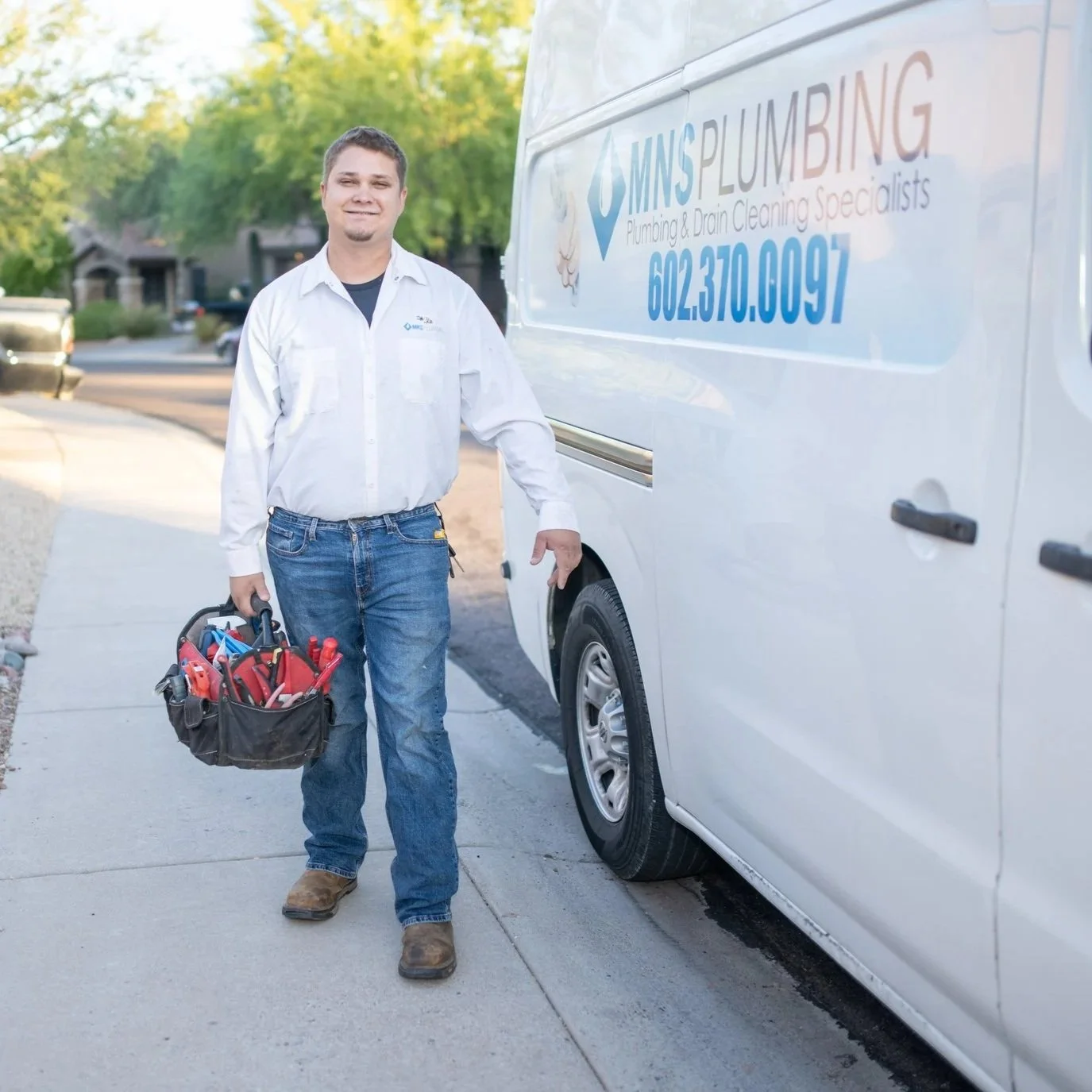
From risks related to contaminated water supplies and property disputes over water rights to the effects of mineral-laden groundwater on plumbing systems and appliances, Arizona homeowners face unique water-related concerns that differ from those in other states.
Water is one of Arizona’s most precious resources, and managing it responsibly is essential for public health, property value, compliance with local regulations, and long-term sustainability. From risks related to contaminated water supplies and property disputes over water rights to the effects of mineral-laden groundwater on plumbing systems and appliances, Arizona homeowners face unique water-related concerns that differ from those in other states.
This complete guide explains common water dangers in Arizona, how they affect homes and communities, legal water rights and disputes, how hard water impacts plumbing, strategies for safe water use, and what steps homeowners can take to protect their families and properties. Understanding Arizona’s water challenges empowers you to make informed decisions about water quality, treatment, legal protections, and preventative maintenance.
Unique Water Challenges in Arizona
Arizona’s arid climate and rapid population growth place pressure on existing water supplies. Many communities rely on groundwater, surface water from rivers and reservoirs, or treated municipal water. Challenges arise when water demands exceed sustainable supply, contamination risks increase, and conflicts occur over access or quality. These pressures make water quality awareness and responsible management essential for every homeowner.
Environmental factors such as drought, aquifer depletion, high mineral content, and agricultural runoff can influence drinking water quality and distribution stability. Whether you get your water from a private well or a municipal supplier, understanding the potential dangers and disputes related to water helps you protect your health and property.
Common Water Quality Concerns for Arizona Homes
Hard Water and Mineral Buildup
Arizona is known for hard water — water with high levels of minerals such as calcium and magnesium. While hard water is not generally harmful to health, it affects plumbing fixtures, appliances, and household maintenance. Over time, mineral buildup causes scale to form inside pipes, on faucets, in water heaters, and on showerheads. Scale reduces water flow, lowers energy efficiency, and shortens appliance lifespan.
Left unaddressed, hard water problems escalate into costly plumbing repairs or premature replacement of water-using appliances.
Groundwater Contamination
While Arizona’s groundwater is an important source of drinking water, it can be vulnerable to contamination from natural and human sources. Naturally occurring elements like arsenic or radon may be present at levels above health guidelines. Agricultural and industrial chemicals, septic system leaks, and urban runoff also pose contamination risks.
Homeowners with private wells have maintenance responsibility and should regularly test their water quality. Even homes on municipal systems may experience distribution issues or localized contamination events.
Bacterial and Biological Contaminants
Bacteria, viruses, and other biological contaminants can enter water supplies through aging infrastructure, storm events, or compromised well casings. These contaminants pose direct health risks, especially to children, the elderly, and people with weakened immune systems. Regular testing and proper water treatment help ensure your home’s drinking water remains safe and potable.
How Water Issues Can Damage Your Home
Water problems extend beyond drinking quality. They affect plumbing systems, fixtures, appliances, and structural components of your home.
Plumbing Scale and Clogs
Mineral buildup from hard water narrows pipe diameter over time, reducing water flow and increasing the risk of clogs. Scale also interferes with the performance of dishwashers, washing machines, and water heaters, causing inefficiencies or breakdowns that require costly repairs.
Appliance Wear and Tear
Water heaters, ice makers, dishwasher heating elements, and washing machine components experience accelerated wear in hard water conditions. Scale buildup causes heating elements to work harder, increasing energy costs and reducing operational lifespan.
Property Damage from Contamination
Contaminated water can stain fixtures, corrosion can weaken plumbing, and bacterial contamination can create odor or health concerns. In severe cases, contaminated well water can require filtration systems or alternate water sourcing to protect household health.
Water Rights and Disputes in Arizona
Water rights in Arizona are governed by a combination of state law, federal regulations, and historical usage patterns. These rights determine how water is allocated and used among agricultural, municipal, industrial, and private users.
Surface Water vs. Groundwater Rights
Surface water — from rivers and reservoirs — is regulated separately from groundwater. Surface water rights are often tied to historic usage, adjudication decisions, and interstate agreements. Groundwater rights historically followed a doctrine based on land ownership and permitted use, but evolving regulations have increased oversight to prevent over-pumping and to protect aquifers.
Disputes Between Neighbors
Water disputes can occur between neighbors when one property’s water use impacts another’s supply or quality. Common issues include:
• Over-pumping private wells that affect neighboring water levels
• Contamination spreading from one property to another
• Drainage disputes that create standing water or erosion issues
Resolving water disputes often involves legal consultation, water rights documentation, and sometimes surveys or testing to determine impact.
Municipal Water Regulations
Communities with municipal water supplies are subject to public health standards, testing protocols, and mandatory reporting. Municipal systems typically test for contaminants, maintain infrastructure, and comply with state and federal water quality standards. Homeowners within these systems benefit from regulated oversight, but still should remain informed about water quality reports and potential advisories.
Testing Your Home’s Water Quality
Regular water testing gives homeowners a clear understanding of what’s in their water and whether treatment is necessary. Testing includes:
• Hardness levels to determine mineral content
• pH levels to identify corrosive or scale-forming characteristics
• Microbial testing for bacteria, viruses, and pathogens
• Chemical screening for contaminants such as nitrates, arsenic, or pesticides
Private well owners should test at least annually and after events like heavy rains, nearby construction, or septic system work. Even residents on municipal systems can test for peace of mind, especially if signs of contamination appear.
Water Treatment Solutions for Arizona Homes
If your water test shows issues, several treatment options help protect water quality and plumbing:
Water Softeners
Water softener systems reduce mineral content, preventing scale buildup and improving appliance efficiency. Softened water feels smoother, improves soap performance, and reduces spotting on glassware.
Filtration Systems
Whole-house filters remove sediment, chemicals, and contaminants before water reaches fixtures. Point-of-use filters target kitchen or drinking water specifically, delivering safer, cleaner water where it matters most.
UV Disinfection
UV sterilization systems neutralize bacteria, viruses, and other biological contaminants without adding chemicals or altering taste. UV treatment is especially useful for private wells.
Reverse Osmosis Systems
Reverse osmosis (RO) systems provide high-quality drinking water by pushing water through a semipermeable membrane that removes dissolved solids, chemicals, and many contaminants.
Preventing Common Residential Water Problems
Simple proactive steps can protect your home and water quality:
• Inspect well components regularly — casing, caps, and seals
• Maintain septic systems properly to prevent leaching
• Avoid dumping chemicals near wellheads or drainage areas
• Install sediment pre-filters if particulate matter is present
• Flush fixtures periodically to prevent stagnation
Careful daily habits and scheduled maintenance reduce water risks and extend plumbing life.
Recognizing When You Need Professional Help
Some water dangers and disputes require expert intervention. Call a licensed plumber or water specialist if you experience:
• Persistent low water pressure
• Backups, foul odors, or discoloration
• Evidence of contamination or illness related to water
• Well water that changes taste or clarity suddenly
• Signs of corrosion or scale inside plumbing fixtures
Professionals can diagnose hidden issues, recommend treatment systems, and resolve complex water distribution or quality concerns.
Arizona Residential Water Safety and Homeowner Rights Questions You Should Know
What are common water quality issues in Arizona homes?
Many Arizona homes experience hard water, heavy mineral content, and occasional groundwater contamination. These issues can affect plumbing performance, appliance efficiency, water taste, and overall household comfort.
How do I test my home’s water quality?
Water quality testing typically measures mineral levels, pH balance, chemical contaminants, and microbial presence. Testing can be done using certified home kits or through professional water testing services for more detailed results.
Can hard water damage plumbing and appliances?
Yes. Mineral deposits from hard water can build up inside pipes, restrict water flow, reduce energy efficiency, and shorten the lifespan of appliances like water heaters, dishwashers, and washing machines.
Do private wells need regular water testing?
Private well owners should test their water at least once a year and after major environmental events such as flooding, construction, or changes in water taste or appearance to confirm safety.
What treatment options improve Arizona water quality?
Common solutions include water softeners, whole house filtration systems, UV disinfection, and reverse osmosis units. These systems help address hardness, contaminants, and biological concerns to deliver cleaner and safer water.
MNS Plumbing offers comprehensive sewer rodding, sewer excavation, sewer repair, and sewer ejector pump services to homeowners in the Phoenix Area. We are licensed and provide 24/7 emergency services.
