
Is Your Spigot Leaking?
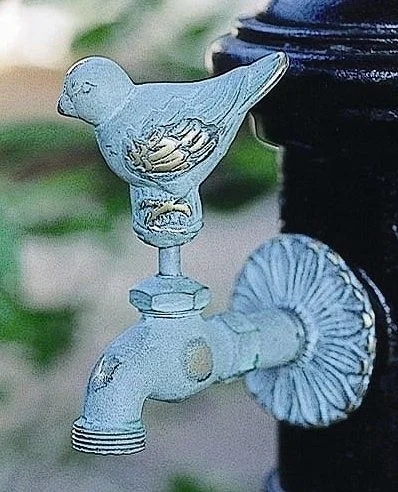
Whether your spigot leaks only when the water is on, drips constantly, or lets water pool around your foundation, knowing the common causes and how to fix them helps you protect your home, save water, and prevent bigger plumbing problems.
A leaking spigot, hose bib, or outdoor faucet might seem like a minor annoyance, but those drips can waste gallons of water, increase your utility bills, and eventually damage your home’s exterior or foundation. Outdoor faucets are exposed to temperature changes, pressure fluctuations, and constant use — all of which can wear components down over time. Whether your spigot leaks only when the water is on, drips constantly, or lets water pool around your foundation, knowing the common causes and how to fix them helps you protect your home, save water, and prevent bigger plumbing problems.
This complete homeowner’s guide explains what makes outdoor spigots leak, how to diagnose the problem, step-by-step repair tips, winterization strategies to prevent freeze damage, and when to call a professional plumber. With practical tips and maintenance checklists, you’ll be equipped to keep your outdoor faucets functioning reliably year-round.
Why a Leaking Spigot Matters
A leaking spigot might drip slowly or appear only under certain conditions, but water loss adds up quickly. A single drip per second can waste thousands of gallons of water per year, increasing your water bill unnecessarily. Additionally, water pooling near your home’s foundation can erode soil, encourage mold growth, and lead to costly repairs.
Fixing outdoor faucet leaks early saves money, conserves water, and prevents damage to your landscaping and home structure.
Common Signs of a Leaking Outdoor Faucet
Before you start repairs, recognize these common symptoms of a leaking spigot:
• Constant dripping when the faucet is off
• Water spray around the handle when in use
• Water pooling at the base of the faucet
• Soggy ground near the exterior wall
• Rust or corrosion on the faucet body
Not all leaks are easy to see, so paying attention to unusual dampness or changes in water bills can help catch problems early.
What Causes Outdoor Spigots to Leak
Outdoor faucets leak for several reasons, from worn internal parts to improper installation. Understanding the cause helps you fix the problem effectively.
Worn Washers and O-Rings
The most common cause of spigot leaks is worn or deteriorated washers and O-rings inside the faucet stem. With use, these rubber components harden, crack, or shrink, allowing water to bypass the seal and drip out.
Loose Packing Nut or Stem
A packing nut around the stem threads helps seal water inside the faucet. If it loosens over time, water can escape around the handle or base of the spigot.
Corroded Valve Seat
Hard water, mineral buildup, and exposure to the elements can corrode the valve seat — the metal surface that interfaces with the washer. When this surface wears unevenly, even a new washer can’t create a watertight seal.
Cracked or Damaged Faucet Body
Outdoor faucets are exposed to freezing temperatures, lawn equipment impacts, and constant moisture. Cracks in the faucet body or spout compromise the system and often require full faucet replacement.
Basic Tools You’ll Need to Fix a Leaking Spigot
Before beginning repairs, gather these essential tools:
• Adjustable wrench or pliers
• Screwdrivers (flathead and Phillips)
• Replacement washers, O-rings, and packing
• Plumber’s tape (Teflon tape)
• Rag or towel for cleanup
Having the right tools makes the repair process faster, safer, and more effective.
How to Stop a Faucet from Leaking at the Handle
Here’s a step-by-step guide to repairing a leak at the faucet handle:
Turn off the water supply inside the home or at a dedicated shutoff valve.
Open the outdoor faucet to relieve pressure.
Remove the handle by loosening the screw.
Unscrew the packing nut and pull out the stem.
Inspect washers and O-rings for wear and replace them as needed.
Wrap plumber’s tape on threads for a tighter seal.
Reassemble the faucet and turn the water back on to test for leaks.
Replacing worn internal parts often stops handle-related leaks and restores proper faucet function.
How to Fix a Spigot That Leaks When Off
A leak when the faucet is off usually indicates issues with washers, seats, or the stem:
Shut off the water to the faucet.
Disassemble the faucet stem and remove all internal parts.
Inspect the valve seat for corrosion or pitting.
Replace worn washers and O-rings with new ones.
Use a seat grinder or replace the valve seat if corrosion is severe.
Reassemble and test the spigot.
A well-sealed valve seat with fresh washers ensures that water stops completely when the faucet is turned off.
Winterization Tips to Prevent Spigot Leaks
Cold weather can damage outdoor faucets and lead to leaks or burst pipes. Follow these winterization tips:
• Disconnect and drain garden hoses — Water trapped in hoses can freeze and expand into outdoor faucets.
• Shut off the exterior water supply if you have an indoor shutoff valve.
• Install frost-proof spigots in new installations or replacements.
• Add insulation or frost covers to spigots before freezing temperatures arrive.
Proper winter preparation protects outdoor faucets from freeze damage and reduces the risk of spring leaks.
When to Replace an Outdoor Faucet
Sometimes repairs aren’t enough, and full replacement is the better investment. Consider replacing the spigot when:
• The faucet body is visibly cracked or separated
• Corrosion is extensive and can’t be repaired
• Frequent leaks return even after multiple repairs
• You want modern upgrades like frost-proof valves or shutoff accessibility
Replacing outdoor faucets with modern, frost-resistant models improves reliability and reduces future repair needs.
Prevention Tips: Keep Outdoor Faucets Leak-Free
Maintaining your outdoor faucets reduces leaks and extends their service life:
• Inspect faucets seasonally for leaks or corrosion
• Operate the faucet gently to avoid wear on internal parts
• Use quality washers and O-rings designed for outdoor conditions
• Add protective covers during winter to reduce freeze damage
Proactive care prevents many plumbing mishaps before they become problems.
Outdoor Faucet Leak Questions Every Homeowner Should Address Early
Why is my outdoor spigot leaking when it is off?
A leaking outdoor spigot when turned off usually points to worn washers, damaged O rings, or a corroded valve seat that no longer forms a tight seal.
How much water does a dripping outdoor faucet waste?
Even a slow drip can waste hundreds or thousands of gallons of water over time. This unnecessary loss increases water bills and wastes a valuable household resource.
Can I fix an outdoor faucet leak myself?
Many leaks caused by worn washers, O rings, or loose packing nuts can be fixed with basic tools and inexpensive replacement parts. More complex internal damage may require professional repair.
Should I replace my outdoor spigot before winter?
Replacing aging spigots with frost proof models before winter helps prevent freeze damage, burst pipes, and leaks when temperatures drop.
What maintenance prevents outdoor faucet leaks?
Regular seasonal inspections, disconnecting hoses, using insulated winter covers, and operating the faucet gently all help reduce wear and extend the life of outdoor faucets.
Need reliable and affordable faucet repairs, replacement, and installation, toilet plumbing repair, backflow plumbing, and slab leaks services in the Phoenix and AZ Greater Metro Area? Contact MNS Plumbing at 602-362-4524.
