Hot Water Temperature Questions
Whether you’re taking a shower, washing dishes, or running laundry, the temperature of your hot water affects comfort, safety, efficiency, and even the lifespan of your plumbing system.
Hot water is one of those conveniences that most people take for granted — until it’s too hot, too cold, or suddenly unavailable. Whether you’re taking a shower, washing dishes, or running laundry, the temperature of your hot water affects comfort, safety, efficiency, and even the lifespan of your plumbing system. But many homeowners don’t think deeply about what the right hot water temperature should be, why it matters, or how to adjust or maintain it properly. Understanding these questions helps you save energy, prevent injury, protect your home’s water heater, and ensure reliable performance through everyday routines and seasonal demands.
The “right” hot water temperature isn’t the same for every home. It depends on factors like the type of water heater you have (tank or tankless), the number of occupants in your household, your local climate, and your usage patterns. Too low, and you risk bacterial growth and inadequate cleaning; too high, and you put people at risk of painful burns while wasting energy and driving up utility bills. Making an informed choice — and knowing how to set, test, and maintain it — is essential for safety, efficiency, and long-term comfort.
Finding the Balance: Comfort, Safety, and Energy Efficiency
When most people think about hot water temperature, they focus first on comfort: how warm their shower feels or whether their dishwasher results in spot-free dishes. But comfort is only part of the equation. From a safety perspective, water that’s too hot can cause serious burns in a matter of seconds. At the same time, water that’s too cool may not cleanse effectively or eliminate harmful microbes on dishes, clothing, and skin. Then there’s energy efficiency — water heaters are one of the largest users of household energy after HVAC systems, meaning your temperature setting has a direct impact on your utility bills.
Traditionally, a water heater temperature of 120°F (49°C) is recommended by many plumbing and safety organizations as the sweet spot that balances all three: warm enough to kill most bacteria and deliver satisfying performance, but not so hot that it poses a serious scalding risk. At 120°F, the water heater recovery stays efficient without drawing excessive energy to maintain overly high temperatures. For homes with small children, elderly residents, or people with sensitive skin, keeping the temperature at or below 120°F significantly reduces the risk of scalding. Hotter settings — like 140°F (60°C)— were common in the past to guard against bacteria like Legionella, but modern plumbing design and appliances like dishwashers now incorporate internal heating elements that compensate for lower input temperatures.
It’s important to note that setting your water heater too high doesn’t create hotter showers indefinitely. Homes with thermostatic mixing valves or modern temperature controls can deliver consistent, safe water even if the tank itself is set higher for specific uses. In households without such features, 120°F is an effective everyday setting that balances safety, comfort, and efficiency.
Health, Bacteria, and What Your Water Heater Can (and Can’t) Do
A common concern many homeowners have is whether lowering the hot water temperature increases the risk of bacterial growth in the tank. This concern often centers on Legionella pneumophila, a bacterium that can thrive in certain conditions and cause Legionnaires’ disease if inhaled through mist or vapor. Because Legionella can multiply between roughly 68°F and 122°F, some homeowners believe raising the temperature to 140°F eliminates risk. While technically true that higher temperatures inhibit bacterial growth, water heaters set at 140°F bring other risks — most notably scalding hazards and increased energy consumption.
Modern household water systems typically have internal temperature regulators, anti-scald devices, and periodic flushing that mitigate bacterial concerns even at lower set points. Furthermore, most bacteria in residential plumbing are far less forgiving than Legionella and are effectively controlled through routine hot water use, flushing of seldom-used fixtures, and water heater maintenance.
If you have specific health concerns, a compromised immune system, or are in an area with documented risks, consult a licensed plumber or public health professional about temperature settings or thermostatic mixing valves. These valves allow the tank to be set at a safer, higher temperature for bacterial control while delivering tempered, safe water at fixtures.
The Impact of Temperature on Your Water Heater’s Lifespan and Efficiency
Hot water temperature plays a significant role in how hard your water heater works and how long it lasts. Higher temperature settings cause water heaters to run more frequently to maintain the set point, which increases wear on components like heating elements (in electric systems) and burners (in gas systems). More frequent cycling shortens the lifespan of these parts and can lead to earlier tank corrosion when sediment buildup interacts with high heat.
Lowering the temperature to around 120°F reduces cycling frequency because the differential between the set temperature and ambient conditions is smaller. Less cycling means reduced stress on internal components, less energy used to reheat water, and slower sediment accumulation at the bottom of tanks. In electric systems, lower settings reduce strain on heating elements; in gas systems, they reduce burner run times, both of which contribute to energy savings and lower maintenance costs over time.
From an efficiency standpoint, every 10°F reduction in water heater temperature can yield energy savings of up to 5–10%. Over time, these savings add up substantially — especially in households with high hot water demand. While setting your water heater too low may compromise comfort or hygiene, a balanced setting like 120°F provides significant efficiency gains without diminishing performance.
How to Safely Adjust and Test Your Hot Water Temperature
Knowing the ideal temperature is only part of the equation — you also need to know how to adjust and verify it. Most modern water heaters have a thermostat dial or digital control panel that allows you to select your desired temperature. Before making adjustments, turn off the power source (electricity or gas) for safety, and consult your manufacturer’s instructions for proper access to the control.
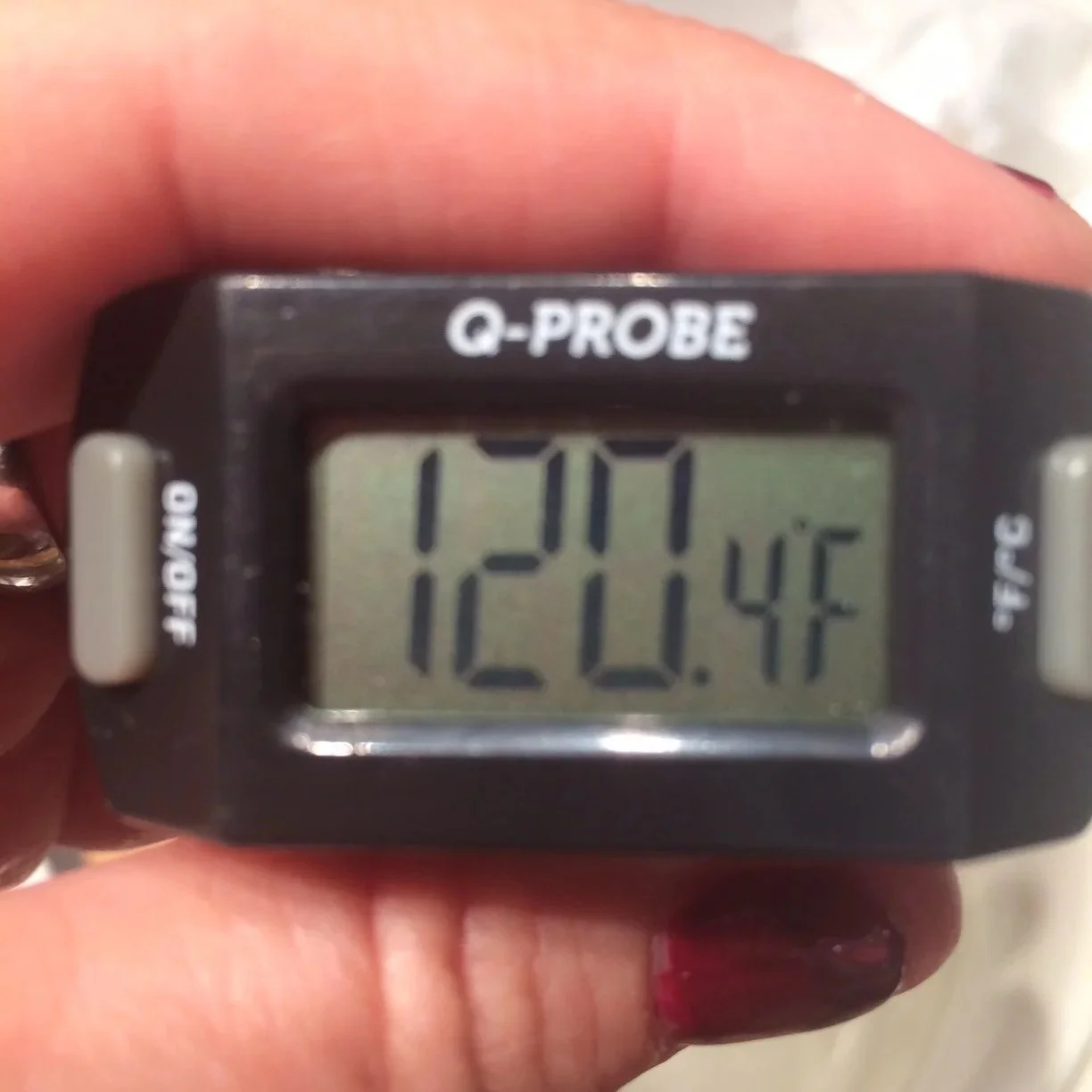
Once you’ve set your water heater to your desired temperature, it’s important to verify that the water arriving at your fixtures matches your setting. This is often done with a simple test: run hot water from a faucet until it reaches a steady flow, then use an accurate digital thermometer to measure the temperature. Always run a minute or two of water before testing to ensure you’re measuring hot water directly from the heater, not residual lukewarm water in the line.
Be aware that some distance from the heater and pipe material can cause slight heat loss before the water reaches your fixture. To account for this, your heater may need to be set a few degrees higher than your fixture target. When making adjustments, do so in small increments (e.g., 5°F at a time) and retest until you achieve comfortable, safe hot water at your faucets and showers.
Special Considerations for Tankless and Hybrid Systems
If your home uses a tankless (on-demand) or hybrid heat pump water heater, temperature considerations differ slightly. Tankless systems heat water only when a fixture calls for it, often providing precise control at the point of use. Many tankless units allow you to program your preferred target temperature, and because there is no storage tank, concerns like standby heat loss are eliminated. However, tankless systems have a maximum flow rate at any given temperature — meaning very hot water at multiple fixtures simultaneously can be limited by capacity. Setting the temperature to a moderate level (e.g., 120°F) ensures reliable performance across multiple points of use without overwhelming the system.
Hybrid heat pump water heaters rotate between heat pump and conventional heating modes based on demand and efficiency. Because they extract heat from ambient air to warm water, extremely high temperature settings can reduce efficiency. Maintaining a balanced temperature supports the hybrid system’s energy advantages while still supplying comfortably hot water.
Whether traditional tank, tankless, or hybrid, each system needs periodic maintenance: flushing sediment (for tanks), descaling (for tankless), filter cleaning (for hybrids), and thermostat calibration to maintain performance and safety.
When to Call a Professional
Although adjusting your water heater temperature seems straightforward, there are times when a licensed plumber’s expertise is critical. If your water heater fails to heat water to the set temperature, fluctuates widely, makes unusual noises, leaks, or trips circuit breakers, it’s time for a professional diagnosis. Issues like sediment buildup, failing thermostats, pressure relief valve malfunctions, or gas supply problems require trained attention.
Additionally, if you’re considering a new water heater installation, switching to tankless, adding mixing valves for safety, or integrating smart temperature controls, a licensed plumber can recommend the most appropriate system for your home’s layout, usage patterns, and climate conditions.
Professional maintenance — such as annual inspections — keeps your water heater operating safely and efficiently, identifies early signs of wear, and helps you avoid sudden failures during busy periods like holidays.
Hot Water Temperature Questions Every Homeowner Should Know
What temperature should my water heater be set at for both safety and efficiency?
Most homeowners and safety experts recommend a temperature of around 120°F (49°C). This setting balances comfort, energy efficiency, and reduced risk of scalding while still providing reliable hot water.
Can water that’s too hot be dangerous?
Yes. Water at 140°F (60°C) can cause serious burns in seconds, especially for children and elderly adults. Setting your heater around 120°F helps prevent scalding injuries.
Does lowering the temperature really save energy?
Yes. Lowering your water heater’s temperature by 10°F can save 5–10% on energy costs because the system doesn’t heat and reheat water as often.
Why is my measured hot water temperature lower than what I set on the heater?
Heat loss can occur in long pipe runs or through mixed cold water. Retesting after adjustments and accounting for pipe distance helps ensure your fixtures deliver the intended temperature.
Should I adjust my water heater differently for tank and tankless systems?
Yes. Tankless systems provide on-demand hot water and may need different settings based on flow and simultaneous uses, whereas tank systems focus on storage and recovery. A professional can help tailor settings for your system.
Trust MNS Plumbing, a licensed and friendly plumber in the Phoenix area, for all your gas water heaters, electric water heaters, and gas line installation and repair needs.
