
Ejector Pump vs. Sump Pump: Which One Can Handle a Toilet?
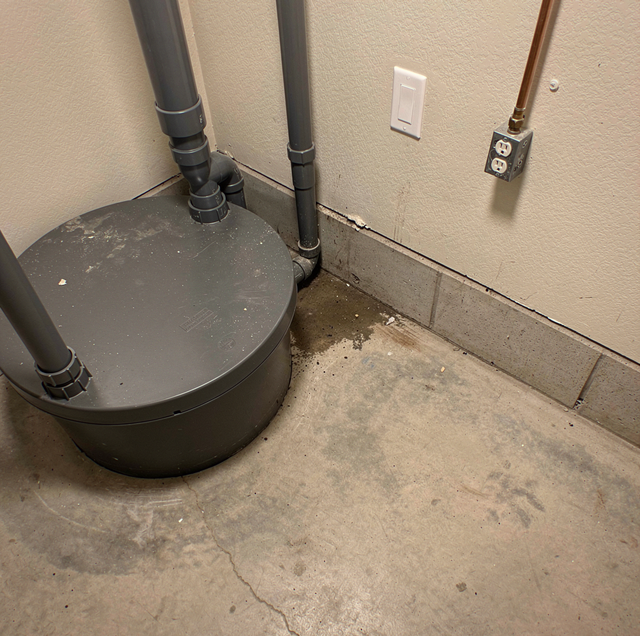
Every drain in your house works on fall. Water and waste leave your fixtures, run downhill through pipes sloped toward the main sewer line, and never need a push. Put a toilet, shower, or sink on a floor below that line and the fall runs the wrong way, so whatever you flush or rinse there must collect somewhere and be lifted.
Two pumps can sit in basins on a lower floor like yours, and from across your room you would struggle to tell them apart. One lifts groundwater that seeps in around your foundation. The other lifts everything your bathroom sends down its drains, solids included. Only one belongs under your toilet, and you can see which before you pick your fixtures or your tile.
What Pumps Groundwater Out of a Sump Pit?
A sump pump handles water that was never part of your plumbing. It removes excess water from below-ground-level living spaces or crawl spaces, preventing flooding and water damage, and it is usually installed in a specially constructed sump pit where water collects from drainage systems, groundwater, or natural seepage.
Nothing in that description comes from a toilet, a shower, or a sink. Submersible sump pumps are built and rated for drain, or storm, water only. The duty list stops there, and no sewage appears on it. If you already have a sump pit on your lower floor, you have a pump built for that water and nothing else. A new bathroom on that floor raises another question: whether its fixtures sit below the main sewer line, because that is exactly where an ejector pump's definition starts.
What Pumps Toilet Waste Up to the Sewer Line?
A bathroom below the main sewer line needs a different machine. A sewer ejector pump is a plumbing component that moves wastewater from fixtures below the main sewer line to the municipal sewer or septic system. It collects wastewater in a sealed basin and automatically activates when the water level rises, pumping the waste upward through discharge piping.
What separates the two machines is simple: an ejector pump is designed to handle both liquid waste and solid materials, whereas a sump pump handles only groundwater. The container differs as well. A sump pit exists to collect water from drainage and seepage. An ejector basin is used to hold waste until it is pumped out, and it is sealed.
The word automatically in that cycle description matters for a bathroom. Nobody switches the pump on. The rising level in the basin does, every time a toilet, shower, or sink on that floor drains into it.
Submersible sewage pumps draw the line from the other direction: they are built and rated for septic tank effluent, sewage, and drain (storm) water as well. Set the two duty lists side by side, and the relationship runs one way. The sewage pump's duty list includes stormwater. The sump pump's list stops at stormwater. A pump built for waste can move clear water, while a pump built for clear water was never listed for waste.
Those duty lists describe specific product lines rather than every pump on the market. They still match the line the definition of an ejector pump draws, and together they point your toilet, your shower, and your sink toward the ejector basin. Any sump pit on the same floor keeps doing its own separate job.
Ejector Pump vs Sump Pump, Side by Side
Most of the confusion between these two comes from how similar they look once the lids are on. Line up what each one is built for and they stop looking alike.
| Question | Sewer ejector pump | Sump pump |
|---|---|---|
| What it moves | Liquid waste and solid materials | Groundwater only |
| Where the water starts | Fixtures below the main sewer line | Drainage systems, groundwater, natural seepage |
| Where it goes | Up through discharge piping to the sewer or septic system | Out of the pit and away from the living space |
| What holds it | A sealed basin | A sump pit |
| Duty rating | Septic tank effluent, sewage, and drain (storm) water | Drain (storm) water |
| Can it take a toilet | Yes | No |
If you only keep one row, keep the last one. Every other row explains it: where the water starts, what holds it, and the duty rating all point the same way. The duty row reflects the duty rating for these pump types, not a rating for every pump you might find on a shelf.
Why the Ejector Basin Stays Sealed and Vented
The basin required for both effluent and sewage applications must be sealed and vented to meet health and plumbing code requirements. What that requirement looks like in your house, from the route of the vent to the seal on the cover, is a code matter, and a licensed plumber handles it as part of the install. None of it is a do-it-yourself step.
What sits inside is worth being blunt about: never enter a pump basin after it has been used, because sewage and effluent can emit several gases that are poisonous. All installation and maintenance of pumps, controls, protection devices, and general wiring should be done by qualified personnel. A working ejector puts both hazards in one closed tank: gas above the waste and a live pump down in it.
Poisonous sewer gas and a live pump share that sealed basin, so never unbolt its cover or reach inside; only a licensed plumber or pump technician should open and service it.
That matters more on a lower floor than it sounds. The basin for your lower-level bathroom sits somewhere on the same floor you walk across every day, maybe in a utility space or a closet you open for other reasons. It looks like a plain lid with a pipe or two coming out of it, and nothing about it warns you what is underneath. If you ever smell sewage near that lid, leave the cover fastened and call your plumber.
Planning a Bathroom Below the Sewer Line
If you are adding a bathroom to a lower floor, the first measurement is height. A plumber compares where each new fixture drain would sit against where the main sewer line leaves your house. An ejector pump is defined around fixtures below the main sewer line, so a fixture that can still fall toward that line by gravity may not need one at all.
When the fixtures sit below it, they drain to the ejector basin rather than the sump pit, even when the sump pit is closer. Tying a bathroom drain into a pit built for groundwater would send sewage into a system never rated for it.
A lower-level bathroom rarely stops at a toilet. When the shower and the sink on that floor are below the same line, they can drain to the same basin, and your plumber then plans the basin around all three fixtures, not just the one that flushes.
A short list makes that first conversation with your plumber faster. Know which fixtures you want on that floor, where any existing sump pit sits, and where the main sewer line leaves your house, if you can find it. From there, a plumber can tell you whether gravity reaches, where a basin could go, and how the discharge piping would climb back up to the sewer line.
The Basin Question to Ask Before the Drywall Goes Up
Ask your plumber where the basin cover will sit once the room is finished, and whether you will still be able to reach it. Keeping it reachable matters: the basin cover needs access for maintenance and service. Every future service call on that pump starts at that cover.
A vanity built over it, a finished floor laid across it, or a wall framed tight against it turns a routine visit into demolition, so the time to plan a removable panel instead of a finished surface is while the studs are still open. Ask, too, where the discharge piping and the vent will run, because both run through walls you can still see into today. Once the drywall is up, moving either one means cutting into a finished room you only just built. Write down each location: where the cover will sit, where the discharge piping runs, and where the vent climbs, then give that note to whoever closes the walls and lays the finished floor.
Frequently Asked Questions
The reason is plain: proper venting of sewer and effluent gases reduces the risk of poisonous gas buildup, explosions, and fires caused by these flammable gases. Your plumber works out the vent route your house allows, so you never handle it yourself.
A check valve on the discharge line. A check valve prevents the backflow of liquid after each pumping cycle, followed by a gate valve to allow periodic cleaning of the check valve or removal of the pump. Both sit above your basin cover, so your plumber needs room there when you finish the space.
An ejector pump is commonly used in basements or lower-level bathrooms, laundry rooms, and kitchens where gravity alone cannot carry waste away. These pump systems should not be used with mud, sand, cement, hydrocarbons, grease, or chemicals. If you plan one, flag grease to your plumber before your drain goes in.
The cover is safety equipment: a securable basin cover is required to prevent foreign objects from entering the basin. Sewage systems can hold flammable gases, and foreign objects can spark. Keep your cover fastened so nothing you drop reaches your basin.
Alarm components belong on the ejector installation list, beside power supply lines and float switches, and these pumps rely on proper electrical connections and control systems. Ask your plumber where your alarm is located and what it does when it trips, so you know what to do when you hear it.
No consumer item except toilet paper. Non-grinder pump systems should never take any consumer item that is not toilet paper, a list that includes feminine products, wipes, towels, towelettes, dental floss and swabs; those items strain the pump, can lead to pump or system failure, and set up blockages in the discharge line. A grinder pump works differently, so if your basin holds one, check your unit's own manual for what it allows.
Planning a bathroom below your sewer line? A plumber can check whether your fixtures drain by gravity, place the sealed basin where it stays reachable, and route the vent and discharge piping before drywall. MNS Plumbing & Drain Cleaning serves Anthem and the Valley. ROC 262137. Call (602) 362-4524.
