Plumbing Disasters and How to Avoid Them: The Homeowner’s Complete Prevention Guide
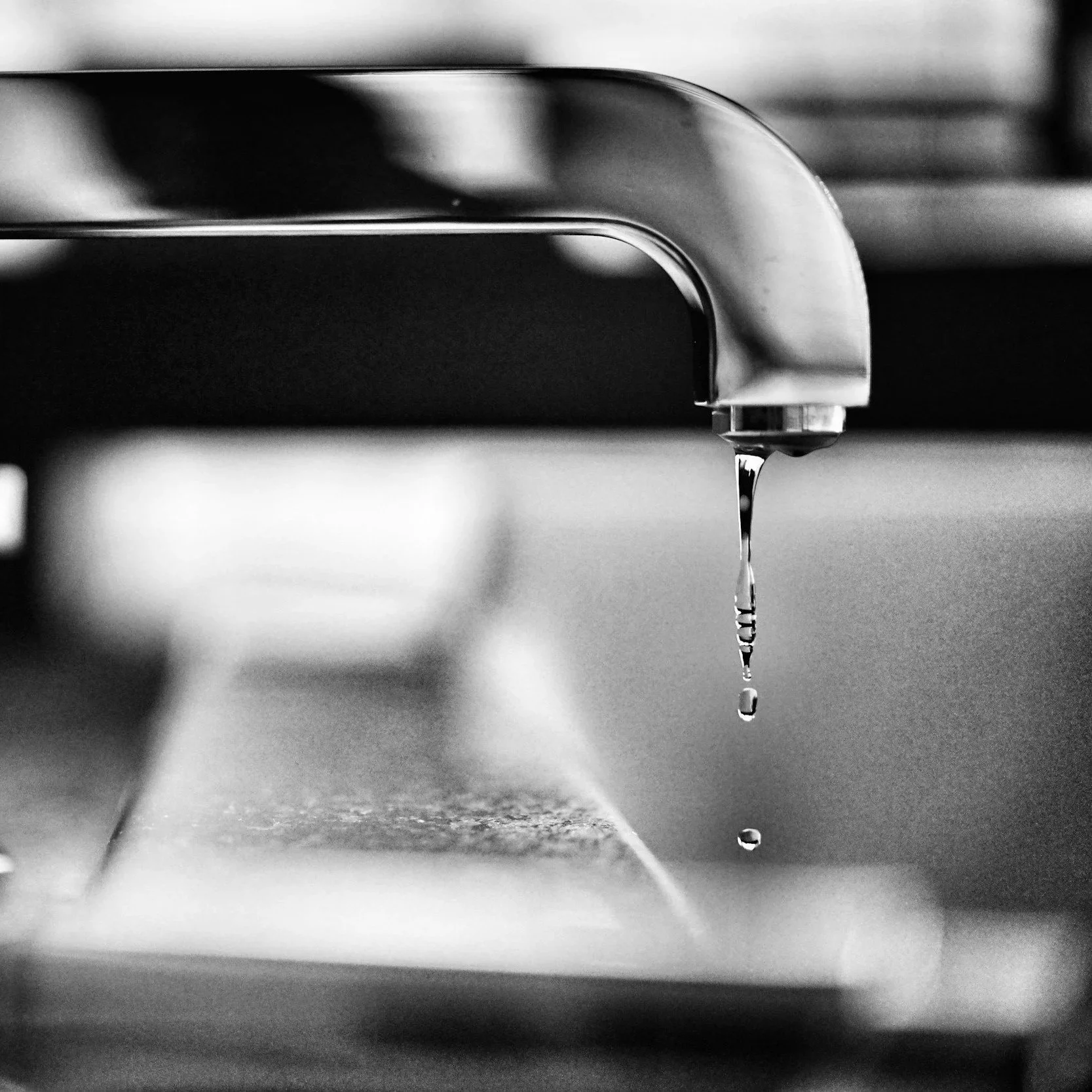
With the right maintenance strategies, routine inspections, and awareness of common risk factors, you can protect your home from the worst effects of plumbing failures.
Plumbing disasters can occur without warning and cause extensive damage to your home, property, and budget. Whether it’s burst pipes, sewer backups, overflowing toilets, or hidden leaks, these emergencies not only disrupt daily life but also lead to costly repairs, water damage, mold, and structural issues if not handled properly. Fortunately, most plumbing disasters are preventable. With the right maintenance strategies, routine inspections, and awareness of common risk factors, you can protect your home from the worst effects of plumbing failures.
This comprehensive homeowner’s guide explains the causes of major plumbing disasters, how to spot warning signs early, practical steps to prevent emergencies, and what to do when your plumbing needs professional attention.
What Is a Plumbing Disaster?
A plumbing disaster is any serious plumbing failure that causes flooding, water damage, sanitation risks, or interruption of essential water services. These events go beyond normal repairs or routine maintenance and demand immediate attention. Examples include:
Burst or broken water pipes
Major sewer backups
Overflowing toilets that don’t stop
Sudden water heater leaks or ruptures
Significant slab leaks under the flooring
Frozen and cracked lines after cold weather
Because water travels quickly and invisibly through walls, ceilings, and floors, even a small leak left unattended can become a full-blown disaster.
Why Plumbing Disasters Happen
Several factors contribute to catastrophic plumbing failures. Understanding these causes helps homeowners take preventive action.
Aging Pipes and Materials
Older homes often have plumbing made from outdated materials like galvanized steel or cast iron, which corrode and weaken over time. As pipes deteriorate, they become susceptible to cracks, leaks, and sudden ruptures.
Lack of Preventive Maintenance
Skipping regular plumbing maintenance — like inspecting drains, flushing water heaters, or checking valves and shutoffs — allows small issues to escalate unnoticed until they become major problems.
Extreme Temperatures
Freezing weather can cause water inside pipes to expand, resulting in bursts or cracks. These failures are often hidden inside exterior walls, basements, or crawl spaces until water starts leaking visibly.
High Water Pressure
Water pressure that is too high places undue stress on pipes, fittings, and joints and accelerates wear. Over time, this pressure can cause pipe seams to fail or fixtures to leak.
Clogs and Blockages
Clogs caused by debris, grease, hair, or non-flushable products create pressure buildup in drains and sewer lines. If left untreated, this pressure can force water back up into your home or rupture weaker pipe sections.
Early Warning Signs of Plumbing Problems
Spotting problems early prevents them from becoming disasters. Pay attention to these common signs:
Slow or gurgling drains
Repeated clogs
Unusual water odors
Stains on ceilings or walls
Low water pressure
Musty smells in crawl spaces
Sudden increases in water bills
If you notice any of these, investigating promptly can save thousands in repair and cleanup costs.
Preventing Burst Pipes
Burst pipes rank among the most destructive plumbing failures. These disasters often occur unexpectedly, causing flooding and water damage.
Insulate Exposed Pipes
Cold weather is a leading cause of pipe bursts. Insulate pipes in unheated areas like basements, garages, and crawl spaces to maintain temperature and reduce freeze risk.
Maintain Indoor Temperatures
Keep the thermostat set above freezing during cold spells, especially when you’re away. Even a brief temperature drop inside unheated areas can cause pipes to freeze and fail.
Allow Faucets to Drip
When temperatures plummet, allow a slow drip from faucets served by exposed pipes. This continuous flow reduces pressure buildup and lessens the chance of freezing.
Avoiding Sewer Backups
A sewer backup is unsanitary and damaging. Wastewater that flows back into sinks, toilets, or floor drains poses health risks and often requires professional cleanup.
Use Drain Screens
Hair, grease, and debris accumulate in drains and build blockages that eventually push wastewater back toward your home. Drain screens catch solids before they enter the plumbing system.
Avoid Flushing Non-Flushable Items
Items like wipes, feminine products, paper towels, and cotton swabs should never be flushed. These materials do not break down easily and cause serious sewer clogs.
Schedule Professional Sewer Line Cleaning
Periodic professional cleaning — including hydro-jetting — removes buildup deep within sewer lines before it becomes a catastrophe.
Preventing Water Heater Failures
Water heaters often operate silently until they fail. A sudden water heater leak can flood utility rooms, basements, or closets.
Flush Sediment Annually
Sediment builds up in tank water heaters and causes overheating, corrosion, and pressure stress. Flushing the tank each year helps prolong the unit’s lifespan.
Inspect Pressure Relief Valves
Pressure relief valves prevent excessive tank pressure. Test these valves periodically and replace them if they are not operating correctly.
Monitor Age and Condition
Water heaters older than 10-12 years are prime candidates for failure. Consider proactive replacement before age-related wear leads to disasters.
Preventing Leaks Under Slabs and Walls
Slab leaks occur when water lines beneath concrete slabs crack or corrode. These leaks are hard to detect and can undermine foundations if left unattended.
Watch for Moisture or Warm Spots
Unexplained moisture on floors, warm areas on slabs, or sudden increases in water meter readings suggest underground leaks.
Install Leak Detection Systems
Modern leak detection systems alert you to moisture, rapid flow changes, or unexpected use — helping catch problems before they escalate.
Routine Plumbing Maintenance Checklist
Consistent maintenance reduces the risk of disasters and uncovers issues early.
Inspect visible pipes and faucets for corrosion or leaks.
Clean sink and shower drains regularly
Test shut-off valves to ensure they work
Flush water heaters annually
Check water pressure with a gauge.
Review sewer cleanout access and condition
A seasonal or annual checklist keeps your plumbing system in top condition and prevents emergencies.
What to Do When a Plumbing Disaster Strikes
Even with preparation, disasters can happen. When they do, take calm, decisive action:
Shut off the main water valve.
Turn off the electricity in flooded areas.
Contain water with towels, buckets, or pumps.
Call an experienced plumber immediately.
Document damage for insurance claims
Avoid DIY fixes that could worsen the issue.
Quick action minimizes repair costs and prevents secondary damage like mold growth or structural weakening.
Choosing the Right Plumber for Major Repairs
For serious problems, select a professional with experience in emergency plumbing, leak detection, sewer repair, and system replacement. When evaluating plumbers:
Look for proper licensing and insurance.
Read reviews and ask for referrals.
Verify clear pricing and estimates.
Ensure timely response and emergency availability.
A trusted plumbing professional protects your home and helps you avoid future disasters.
Plumbing Disaster Prevention Tips Every Homeowner Should Know
What are the most common plumbing disasters in homes?
Common plumbing disasters include burst pipes, sewer backups, overflowing toilets, slab leaks, and water heater failures that can cause significant flooding and property damage.
How can I prevent pipe bursts in winter?
Insulate exposed pipes, keep indoor temperatures above freezing, and allow a slow faucet drip during extreme cold to reduce pressure caused by freezing water.
What should I do if my sewer backs up?
Stop using water immediately, avoid flushing toilets, and contact a professional plumber right away to diagnose and clear the blockage safely.
How often should I schedule plumbing maintenance?
Annual or seasonal plumbing maintenance helps identify issues early. Scheduling a professional inspection once a year provides added protection and peace of mind.
Can plumbing disasters be covered by insurance?
Many homeowners insurance policies cover sudden and accidental plumbing failures, but they often exclude damage caused by neglect. Keeping maintenance records and documenting damage is important when filing a claim.
MNS Plumbing offers a complete, one-stop solution for professional plumbing services in Anthem and Valley-Wide, including faucet repairs, replacement, and installation, toilet plumbing repair, backflow plumbing, and slab leaks. Our licensed team services residential plumbing systems with a focus on reliable performance, efficient solutions, and long-term durability. Whether you need minor faucet repairs or emergency slab leak services, we provide trusted workmanship and affordable service. Schedule your plumbing service today and keep your home running safely and smoothly.
