
The Relationship Between Mineral Buildup and Pressure Fluctuations
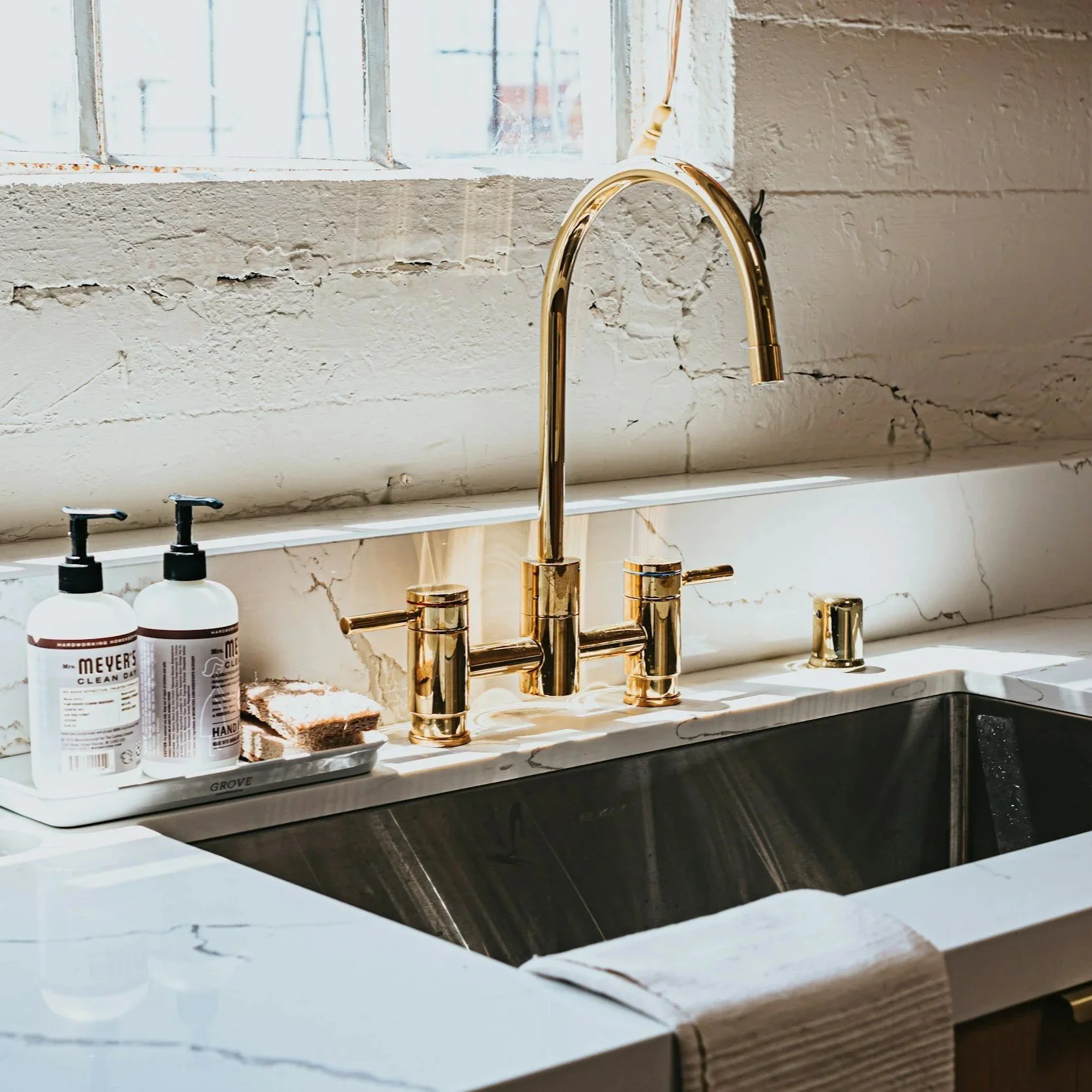
Hard water, packed with minerals like calcium and magnesium, leaves a legacy of limescale and sediment that can turn a once-mighty plumbing system into a sluggish, unpredictable network.
Water pressure is the unsung hero of household comfort, quietly powering showers, faucets, and appliances. When pressure starts to fluctuate, the culprit often lurks deep within the pipes: mineral buildup. Hard water, packed with minerals like calcium and magnesium, leaves a legacy of limescale and sediment that can turn a once-mighty plumbing system into a sluggish, unpredictable network.
How Minerals Sneak Into Pipes
Every time water flows through pipes, it brings along dissolved minerals. In areas with hard water, these minerals are abundant. As water travels through pipes, it deposits a thin layer of minerals on the interior surfaces. Over time, these layers accumulate, forming a crusty scale that narrows the passageway for water. The process is relentless—each new layer binds to the last, gradually shrinking the pipe’s diameter and making it harder for water to pass through.
The Impact on Water Flow
As mineral deposits accumulate, the effect on water flow becomes impossible to ignore. The reduced diameter means less water can travel through the pipes at any given time, leading to a noticeable drop in water pressure. What once felt like a powerful stream from the showerhead may become a disappointing trickle. The same amount of water tries to force its way through a smaller space, putting extra strain on pipes and fixtures. Appliances that rely on steady water pressure, like dishwashers and washing machines, may start to underperform or take longer to complete their cycles.
Pressure Fluctuations: The Jekyll and Hyde of Plumbing
Mineral buildup doesn’t just lower water pressure—it makes it unpredictable. Fluctuating pressure is a classic sign that pipes are becoming clogged with scale. Sometimes, water surges through with surprising force, only to slow to a crawl moments later. The inconsistency can be traced back to the uneven distribution of mineral deposits. Some sections of pipe may be more constricted than others, causing water to speed up or slow down as it navigates the plumbing maze.
Even small blockages, such as sediment caught in faucet aerators or showerheads, can cause localized pressure drops. The result is a household where water pressure seems to have a mind of its own, leaving everyone guessing what kind of shower awaits each morning.
The Role of Water Heaters and Appliances
Water heaters are particularly vulnerable to mineral buildup. Sediment settles at the bottom of the tank, reducing efficiency and sometimes causing pressure fluctuations throughout the home. When hot water pipes become clogged with scale, the flow to showers and sinks suffers, and the water heater must work harder to deliver the same results. Over time, the extra strain can lead to premature appliance failure and higher energy bills.
Why Water Purification Is a Game Changer
Water purification systems, especially those designed to soften water, offer a powerful defense against mineral buildup. By removing calcium, magnesium, and other minerals before they reach the pipes, these systems keep plumbing clear and water pressure steady. Water softeners use ion exchange to replace hard minerals with sodium or potassium, leaving water kinder to pipes and appliances.
Sediment filters provide another layer of protection, catching debris before it can settle in pipes or clog fixtures. With regular maintenance, purification systems help maintain consistent water flow, reduce the risk of pressure fluctuations, and extend the life of plumbing and appliances.
The Ripple Effect on Water Pressure Repairs
Ignoring mineral buildup can lead to costly repairs. Severely clogged pipes may need to be replaced, a process that can involve tearing into walls or even replacing the main water line. Fluctuating pressure also puts extra stress on joints and seals, increasing the risk of leaks. Regular water purification and maintenance can prevent these headaches, saving time, money, and frustration.
Simple Steps for Prevention
A few proactive habits can go a long way in keeping mineral buildup at bay. Flushing pipes regularly, cleaning faucet aerators, and scheduling annual descaling for water heaters all help minimize scale. Choosing PEX piping, which resists buildup better than metal, can make a difference in new installations. For homes in hard water areas, investing in a water purification system is a smart move that pays dividends in comfort and peace of mind.
A Smoother Flow Ahead
Mineral buildup may work quietly behind the scenes, but its impact on water pressure is anything but subtle. From unpredictable showers to sluggish appliances, the signs are hard to miss. Water purification and regular maintenance offer a reliable solution, keeping pipes clear, pressure steady, and daily routines running smoothly. In the ongoing battle between minerals and plumbing, a little prevention goes a long way toward a happier, hassle-free home.
MNS Plumbing offers a complete, one-stop solution for professional plumbing services in Anthem and Valley-Wide, including water purification, water pressure repair, trenchless pipe replacement and repair, and sump pump installation and repair. Our experienced team services residential plumbing systems with a focus on precision, reliable performance, and long-term durability. Whether you need water system upgrades or critical plumbing repairs, we provide professional results and trusted workmanship. Schedule your plumbing service today and enjoy safe, efficient, and worry-free home plumbing.
