
The Connection Between Warm Spots on Floors and Slab Pipe Damage
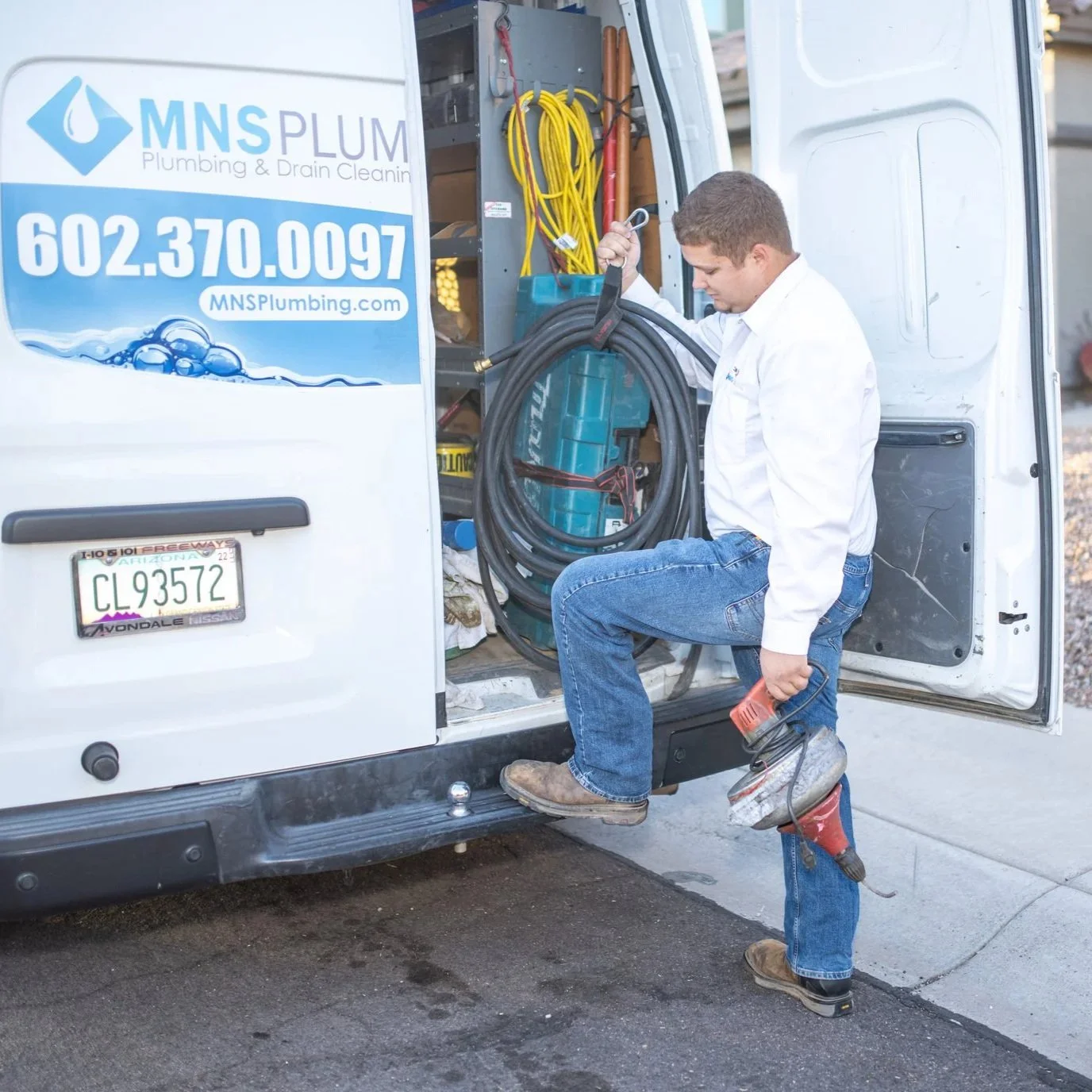
While a cozy floor might sound appealing, the story behind it can lead to costly repairs and headaches if ignored.
Stepping onto a mysteriously warm patch of floor can feel like a pleasant surprise—until the realization hits that something unusual might be brewing beneath your feet. Warm spots on floors, especially in homes built on concrete slabs, often signal a hidden problem: slab leaks. While a cozy floor might sound appealing, the story behind it can lead to costly repairs and headaches if ignored.
The Science Of Warm Spots
A warm spot on your floor rarely results from a sunbeam or a misplaced heating pad. In many cases, it's the handiwork of a leaking hot water pipe beneath your home's concrete foundation. When hot water escapes from a damaged pipe, it seeps into the slab and radiates upward, warming the floor above. The effect is most noticeable along paths where hot water pipes run, such as between the water heater and bathrooms or kitchens.
Not all warm spots spell disaster. Radiant heating systems, for example, purposefully warm floors using hot water or electric elements. However, if your home lacks such a system and a warm patch appears in an unexpected place, a slab leak could be the culprit.
Why Slab Leaks Happen
Pipes under concrete slabs face a tough life. Over time, several factors can conspire to damage these hidden conduits:
Pipe corrosion, especially in older copper or galvanized lines, gradually eats away at the metal, eventually causing leaks.
Abrasion occurs as pipes rub against concrete or gravel, slowly wearing thin until a hole forms.
High water pressure can stress pipes, leading to cracks or bursts.
Foundation movement, whether from settling soil or minor earthquakes, can bend or break pipes.
Poor installation or accidental nicks during construction can leave pipes vulnerable to leaks years later.
The Warm Spot Whodunit
Detecting a slab leak is part detective work, part home maintenance. Warm spots on the floor often appear alongside other telltale signs:
A sudden spike in your water bill signals that water is escaping somewhere out of sight.
Decreased water pressure, since water is leaking out before reaching your taps.
The sound of water running when all faucets are off, suggesting water is flowing where it shouldn't.
Damp or warped flooring, bubbling vinyl, or gaps between floors and walls as water seeps upward.
The water heater is running more than usual to keep up with the constant demand from the leak.
Sometimes, the only clue is a persistent warm patch underfoot. Walking barefoot can help you detect these areas, especially in rooms where hot water pipes are likely to run.
The Dangers Of Ignoring A Slab Leak
A slab leak rarely stays small. Over time, water erodes the soil beneath your foundation, making it shift or settle unevenly. This movement can crack floors and walls, compromise your home's structural integrity, and lead to mold or mildew growth as moisture accumulates. The longer a slab leak goes undetected, the more extensive—and expensive—the repairs become.
Moisture from a slab leak can also damage flooring materials. Hardwood may warp, carpet can become damp and musty, and vinyl or laminate might bubble or lift away from the subfloor. Beyond the structural risks, persistent dampness creates a perfect environment for mold, which can affect indoor air quality and your family's health.
How Professionals Track Down Slab Leaks
Plumbers use a combination of experience and technology to pinpoint slab leaks. Thermal imaging cameras can detect heat patterns beneath floors, while acoustic sensors listen for the telltale sound of water escaping under pressure. Once the leak is located, repair options range from spot repairs—fixing the specific section of pipe—to rerouting or relining pipes if the damage is extensive.
A professional approach minimizes the need to tear up floors or break through slabs unnecessarily. Early detection often means a less invasive fix and a much lower repair bill.
Staying Ahead Of Slab Leaks
Regularly monitoring your water bills and paying attention to changes in water pressure can help catch slab leaks early. Trusting your senses—especially the feeling of warmth underfoot—can save your home from costly damage. If a warm spot appears on your floor with no obvious explanation, it's time to call in the experts.
A quirky warm patch on your floor might seem harmless, but it often signals a serious issue brewing beneath the surface. Acting quickly can protect your home's foundation, your wallet, and your peace of mind. In the world of plumbing mysteries, the case of the warm floor is one best solved sooner rather than later.
MNS Plumbing offers a complete, one-stop solution for professional plumbing services in Anthem and Valley-Wide, including faucet repairs, replacement, and installation, toilet plumbing repair, backflow plumbing, and slab leaks. Our licensed team services residential plumbing systems with a focus on reliable performance, efficient solutions, and long-term durability. Whether you need minor faucet repairs or emergency slab leak services, we provide trusted workmanship and affordable service. Schedule your plumbing service today and keep your home running safely and smoothly.
