
Why Proper Drainage Makes All The Difference In Dishwasher Performance
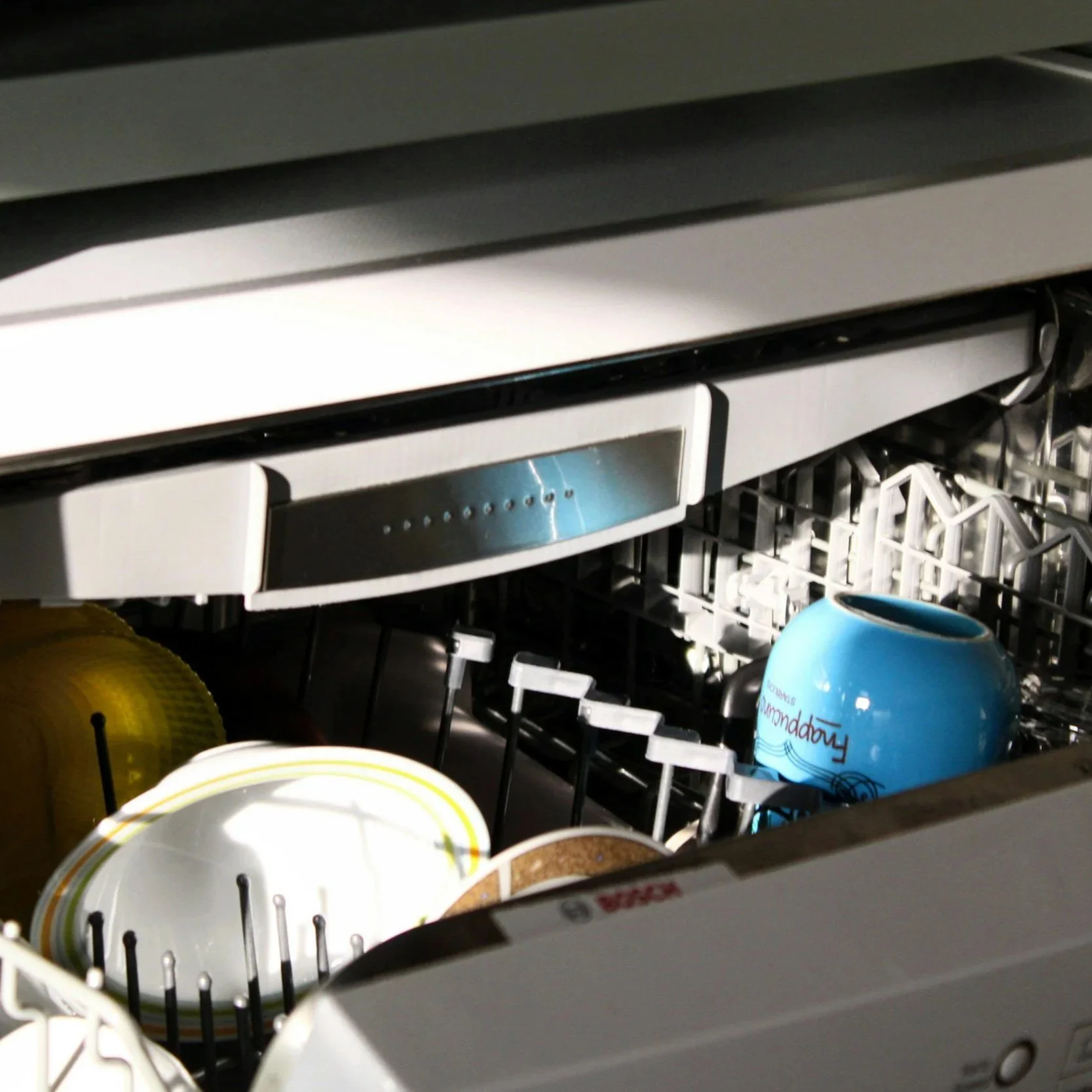
When the drain works well, dishes sparkle, cycles complete on time, and no one ends up ankle-deep in yesterday’s rinse water.
A dishwasher is one of those glorious inventions that has turned after-dinner chaos into a hands-free symphony of cleanliness. Load the dishes, close the door, hit a button, and walk away. Life’s good—until the water refuses to drain. Suddenly, it’s not so much a helpful appliance as it is a murky indoor pond.
Behind every high-performing dishwasher is a plumbing system that knows precisely where water should go and when. Drainage isn’t the flashiest part of a dishwasher installation, but it is the backbone of its performance. When the drain works well, dishes sparkle, cycles complete on time, and no one ends up ankle-deep in yesterday’s rinse water.
Where The Water Goes Matters
Once the spray arms have done their twirling dance and the detergent has done its bubbly magic, there’s one final step that matters more than people think—the water has to leave. If the drainage system can’t move that water out efficiently, all that hard work goes to waste. Leftover water sits in the base, food particles linger, and dishes come out looking like they never went in.
A proper drain setup doesn’t just move water—it protects the entire appliance from damage. When dirty water backs up, it increases internal pressure and stresses the motor. Over time, the strain adds up, and the dishwasher starts to act out. Gurgling sounds, standing water, or the dreaded “clean” cycle that ends with filmy glasses are all cries for help from a drain system that’s not doing its job.
High Loops And Air Gaps Aren’t Just Fancy Terms
Every well-installed dishwasher includes features designed to help the drain system do its job right. High loops and air gaps, while they sound like trendy new fitness moves, actually serve a critical purpose in preventing backflow. That means the dirty water heading to the sink doesn’t find its way back into the dishwasher.
A high loop in the drain hose helps gravity keep things flowing in the right direction. It creates a natural barrier that makes it harder for wastewater to reverse course. An air gap, often installed on the sink or countertop, adds another layer of protection by physically separating the dishwasher’s drain line from the house’s plumbing. It’s a small fixture with a big responsibility—and one of the unsung heroes of a smooth-running kitchen.
Poor Drainage Has a Ripple Effect
When the drainage system doesn’t work properly, it doesn’t just affect the dishwasher. It creates a ripple effect that touches everything around it. Sinks can clog more easily, especially if the dishwasher shares the same drain line. Odors start to sneak into the kitchen, the kind that no scented candle can cover. Floors and cabinets may begin to show signs of water exposure. And then there’s the long-term risk of mold and mildew—unwelcome guests that are notoriously hard to evict.
On top of the physical damage, there’s the mental toll. Nobody wants to open a dishwasher and discover dishes still soaking in lukewarm swamp water. That’s not just frustrating—it’s a full interruption to the evening routine. All because water had nowhere to go.
Dishwasher Installation Done Right The First Time
A dishwasher isn’t just a plug-in-and-play appliance. A smooth installation involves connecting the water supply, anchoring the unit properly, and most importantly, creating a reliable drainage path. Many drainage issues start because the initial installation missed a detail. Maybe the drain hose sags. Maybe there’s no high loop. Maybe someone figured the old plumbing would hold up just fine. Spoiler: it didn’t.
Taking the time to install the dishwasher with an eye on the future means fewer surprises later. When the drainage is thoughtfully planned, the entire system works in harmony. Cycles finish as they should, dishes come out dry and clean, and the appliance earns its keep.
Routine Checks Keep Things Flowing
Even the best setup needs a little love now and then. Drain lines can clog over time with bits of food, grease, and soap residue. A quick check under the sink every few months can prevent the big messes. Listening for strange sounds during a cycle, paying attention to how long it takes to drain, and noticing any standing water are all little clues that the drainage might need a closer look.
Clearing out the dishwasher’s filter, running a cleaning cycle, and avoiding large chunks of food going in can all help extend its performance. Small habits go a long way toward keeping things moving.
A Drain System That Works Is A Dishwasher’s Best Friend
No one brags about how great their drain setup is, but they should. Because when it works, no one thinks about it. And that’s kind of the point. The best drainage systems are the ones that do their job so well, they’re invisible.
Dishwasher installation with proper drainage makes a world of difference. It supports the appliance, protects the kitchen, and keeps the daily rhythm running without interruption. And when all the water flows the right way, everyone wins—especially the one who didn’t have to hand-wash a single fork.
MNS Plumbing offers a complete, one-stop solution for professional plumbing installation services in Anthem and Valley-Wide, including garbage disposals, dishwasher installation, water purification, and other plumbing installation. Our experienced team services residential plumbing systems with a focus on safety, dependable operation, and long-term performance. Whether you need a new appliance installed or a full home water system upgrade, we provide trusted workmanship and reliable service. Schedule your plumbing installation service today and keep your home safe all year round.
