
When a Backflow Test Fails: What Happens Next and What Gets Repaired
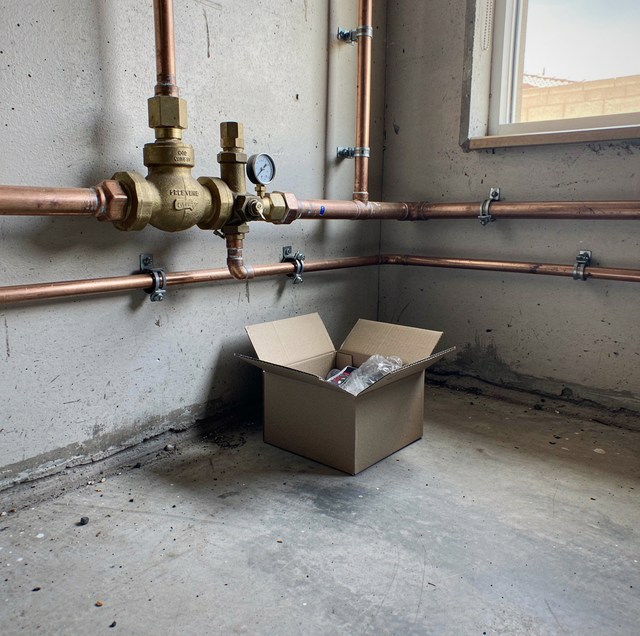
You scheduled the annual backflow test, half-expecting a quick pass-and-done visit, but instead the tester hands you a form with a box checked for "failed." Nothing looks broken. Water still comes out of every faucet the way it always has. So what actually failed, and does it mean a full replacement is coming? Usually not. Most failed tests trace back to one or two small parts inside the device, and the repair is often smaller than the word "failed" makes it sound.
What a Backflow Preventer Is Actually Protecting
A backflow preventer sits on the water line, typically where an irrigation system, a fire line, or another secondary connection ties into the main supply. Its entire job is mechanical, not decorative: it uses a set of internal check valves to let water flow in one direction only, out toward the connection, never back toward the clean supply.
Backflow occurs when pressure in the system drops or reverses, sometimes due to a nearby water main break, sometimes due to a pump running on the connected side. Without a working preventer, that pressure change can pull water backward, and whatever is sitting in that downstream line (fertilizer residue, standing irrigation water, or anything else) gets pulled back toward the supply instead of staying isolated. The device exists specifically to make that impossible, and the internal components that enable it are exactly what a tester checks during an annual inspection.
Testing this yearly is standard practice for the same reason smoke detectors get tested: the device works silently for years, so nobody notices when a spring weakens or a seat wears down until someone actually runs a test on it. An annual check catches wear at a point where it is a simple fix, rather than when the device has quietly stopped doing its job.
Common Reasons a Device Fails Its Test
A tester attaches gauges to the device and checks whether each internal valve maintains the pressure differential it is supposed to. A few specific issues account for most failures.
Worn check valve seats: Every time water moves through the device, the check valve opens and closes. Over years of cycling, the rubber seat that the valve closes against gradually wears, and a worn seat stops sealing completely. That's the single most common reason a device fails: not a dramatic break, just gradual wear from ordinary use.
Debris lodged in a valve: Sediment, mineral flakes, or small bits of scale can travel through the water line and lodge in a check valve, holding it slightly open when it should be fully closed. In areas with hard water, this shows up more often, since scale buildup inside the valve body gives debris more surfaces to catch on and interferes with a clean seal even when the valve mechanism itself is otherwise fine.
A stuck relief valve: Most assemblies include a relief valve that is supposed to open and discharge water if the pressure zones inside the device fall outside the range they should be in. If that relief valve corrodes shut or gets gummed up with mineral deposits, it either won't open when it should or won't reseat properly afterward, and either behavior shows up as a fail on the test.
General age-related wear: Springs lose tension, O-rings harden and lose their seal, and internal surfaces pit or corrode after enough years in service. None of that happens overnight. A device that passed cleanly for a decade can start failing tests as several small components approach the end of their working life around the same time, which is part of why a first-time failure sometimes surprises an owner who has never had an issue before.
Heavy seasonal rain and sudden shifts in municipal water pressure can also stress a device that was already on the verge, pushing a marginal valve into outright failure at test time rather than causing new damage on its own.
What Happens Right After a Failed Test
A failed result doesn't mean water service gets shut off or that anything changes about your day-to-day water use. What it means is that the device isn't reliably doing the one job it exists for, so it needs attention before it's considered back in working order.
The tester documents which specific component failed and by how much, since that reading tells a plumber exactly where to start. A relief valve that won't hold pressure points to a different repair than a check valve that won't fully close, so this step narrows the job considerably before any tools come out.
From there, the timeline is usually short. Because the parts involved are well understood and commonly stocked, most repairs get scheduled and completed within a matter of days rather than becoming a drawn-out project. The device typically stays in place the whole time; very few failed tests require removing and replacing the entire assembly outright.
Rebuild Kit or Full Replacement: How That Decision Gets Made
Once the failed component is identified, the repair path comes down to one main question: is the rest of the device still in good working condition, or has age caught up with the whole assembly at once?
Rebuild kit: Most manufacturers sell a kit containing the internal parts that wear out over time: check valve seats, springs, O-rings, and the diaphragm inside the relief valve. A plumber opens the device, replaces the worn internal components with new ones from the kit, and reassembles it. The outer body and connections stay exactly as they were. This is the more common repair, especially for a device that has otherwise held up well and simply needs its wear parts refreshed.
Full device replacement: When the body itself has corroded, when the device is old enough that its internals are no longer easy to source, or when a rebuild has already been done once, and the same device is failing again, full replacement becomes the more sensible route. Rather than rebuilding a housing that keeps producing new problems, swapping in a new assembly resolves the pattern instead of chasing it valve by valve.
The choice isn't guesswork. A plumber inspecting the internals during the repair can see the actual condition of the body, the connections, and the parts that aren't easily visible from outside, and that inspection is what decides between a kit and a full swap far more reliably than the device's age alone would.
What Happens After the Repair Is Made
Fixing the device isn't the final step. Once the repair is complete, the assembly is retested using the same procedure and gauges as the original test, checking each valve and the relief mechanism under the same pressure conditions that flagged the problem the first time.
A passing retest confirms the repair actually resolved the issue rather than just addressing the most obvious symptom. This matters because a device can have more than one worn component at once, and a repair focused on the part that triggered the failure could still leave a second, less advanced issue in place. Retesting catches that before the paperwork closes out the job.
Once retesting confirms a pass, the results are typically recorded and filed the same way as the original test, closing the loop on the process that started with the failed test in the first place.
Keeping a Device From Failing Again
A backflow preventer that just passed a rebuild doesn't need constant attention, but a few habits reduce how often it runs into trouble at the next annual check.
Address hard water at the source: Since mineral buildup inside the valve body is one of the more common contributors to a failed seal, treating water hardness upstream of the device reduces how much scale ever reaches the check valves and relief mechanism in the first place.
Don't ignore a slow drip at the relief valve: A small, intermittent drip from the relief valve outlet between annual tests is often an early sign that the valve is starting to struggle, well before it fails outright. Flagging it early usually means a smaller repair than waiting for the next scheduled test to catch it.
Keep the annual test on schedule: Skipping a year doesn't make the internal parts wear out any slower; it just means more time passes between when a component starts failing and when anyone notices. Staying on the annual cycle keeps repairs small and predictable, rather than letting several issues stack up at once.
A backflow preventer isn't a part of the plumbing system most people think about between tests, and that's fine. It's designed to work quietly in the background. The point of the annual check isn't to catch a crisis; it's to catch the small, ordinary wear that every mechanical valve eventually experiences, while it's still a small, contained repair rather than a bigger project.
Frequently Asked Questions
No. A failed test means the device isn't reliably preventing reverse flow if one were to occur, not that anything has actually gone wrong with the water supply. It's a preventive check catching a mechanical weakness before it matters, not a sign of contamination that has already occurred.
Most repairs, especially a rebuild kit replacing worn internal parts, are completed in a single visit once the failed component has been identified. A full device replacement can take a bit longer depending on parts availability, but it's still generally a short job rather than an extended project.
It's uncommon and not something to count on. A device that fails shows measurable wear on at least one component, and that wear doesn't reverse on its own. Passing a retest without any repair usually indicates a testing or setup issue rather than the device actually healing itself.
It happens occasionally, though it's less common than failures on older devices. A new device can fail its first test due to a manufacturing defect, an installation issue, or debris introduced into the line during installation, all of which are usually resolved quickly since the device is otherwise brand new.
Typically not in any noticeable way. The device continues to allow water to flow in the normal direction; what it isn't reliably doing is blocking reverse flow, which most households never actually experience day-to-day. You're unlikely to notice any difference in daily water use before the repair happens.
Once a year is the standard interval for most residential and light commercial devices, timed the same time each year so wear gets caught at a consistent, predictable interval rather than at random points that might let a developing issue sit longer than it should.
Schedule your backflow repair or retest today — get the device rebuilt or replaced and recertified without the guesswork. MNS Plumbing & Drain Cleaning serves Anthem and the Valley. ROC 262137. Call (602) 362-4524.
