
What a Warm Spot on the Floor Means Before You See Any Water
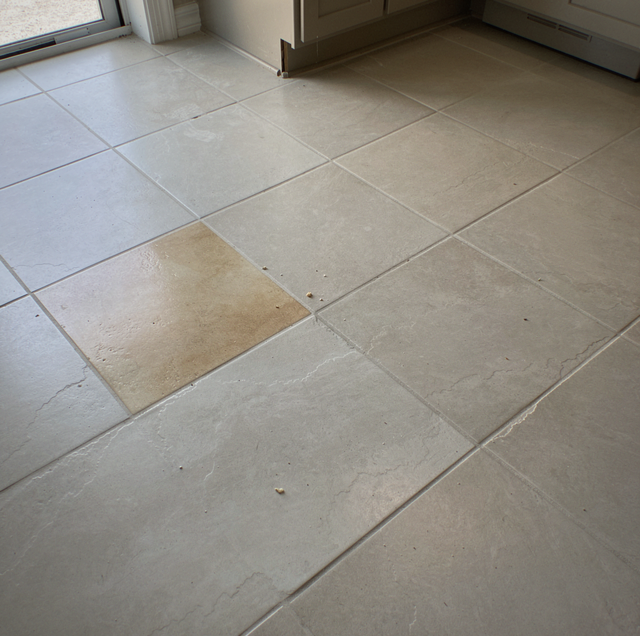
You are walking across the kitchen in socks, and one patch of tile feels noticeably warmer than the rest. Nothing looks wrong. No stain, no puddle, no smell. It's easy to shrug off, and most of the time people do, right up until a bill or a stain forces the issue weeks later. But warmth showing up on a slab floor before any moisture does is one of the more reliable early signals a hot water line under the concrete is starting to fail, and catching it at this stage is a lot less disruptive than catching it after the floor has been wet for a month.
Why Warm Concrete Can Mean a Leak Long Before You See Water
Homes built on a slab foundation often route hot water supply lines through the concrete itself, either embedded directly in the pour or run through a chase built into it. When one of those lines develops even a small leak, hot water starts escaping under pressure into the soil and concrete surrounding the pipe.
That escaping water is hot, and heat moves. Concrete conducts heat reasonably well, so heat from the leaking water spreads outward through the slab before the water itself reaches the surface. Depending on the depth of the pipe, the density of the concrete, and how much water is escaping, you can feel a warm patch on the floor days, weeks, or even months before enough water migrates up through the slab to leave a visible mark.
This is the order most slab leaks follow: heat first, moisture second. A pinhole or a failed joint doesn't need to release much water to create a noticeable warm spot, because it's a continuous, small leak rather than a one-time event. Water under pressure keeps escaping at the same point around the clock, and heat keeps radiating outward the whole time. By the time a stain, a soft spot in flooring, or a musty smell shows up, the leak has usually been running for a while already.
That's what makes a warm patch worth paying attention to even when nothing else seems off. It's not a symptom that shows up after damage has begun; it's often the first physical evidence, right at the point where a small, cheap problem is still a small, cheap problem.
Warm Floor or Normal Warmth: How to Tell the Difference
Not every warm patch on a slab means a leak. A few ordinary things can make a section of floor feel warmer than its surroundings, and ruling those out first saves you from worrying over nothing, or worse, ignoring a real signal because you assumed it was one of these.
Sunlight through a window: A patch of floor that sits in direct sun for part of the day absorbs and holds heat, especially dark tile or stone. This warmth tracks the sun's path: it shows up at a predictable time of day, shifts slightly as the season changes, and cools off again once the sun moves away from that spot or the day ends.
HVAC ductwork running under or near the slab: Some homes route supply or return ducts through a slab or beneath the subfloor, and a duct carrying warm air can make the floor above it feel mildly warm, particularly during heating season. This kind of warmth usually correlates with the system running: it's stronger right after the heat cycles on and fades once it shuts off, and it tends to follow the ductwork's known path rather than appearing at a random point in the middle of a room.
A radiant heating system, if one is installed: Some slabs have built-in tubing specifically to heat the floor. If that system exists and is running, warmth is expected and isn't a signal of anything wrong on its own.
A slab leak reads differently from all of these. The warmth doesn't track with sunlight, a thermostat cycle, or a known duct run. It's steady, present regardless of time of day or season, and it tends to sit over a fairly localized patch rather than spreading in a pattern that matches a duct or a sunlit rectangle on the floor. If a warm spot persists through the night, appears in a room with no nearby ductwork, and doesn't correspond to any window's sun exposure, that combination points away from a normal explanation and toward something happening below the surface.
Other Early Signs Worth Watching Alongside a Warm Spot
A warm patch rarely shows up as the only clue. A handful of other early signs tend to appear around the same window of time, and together they build a much stronger case than any one of them alone.
A water bill that's climbed without an obvious reason: A leak under a slab runs continuously, day and night, whether a fixture is in use or not. Even a small, steady leak adds up over a billing cycle into a jump that doesn't match your household's actual water use. If nothing has changed about how much water you're using, but the bill has, that's worth lining up against a warm spot rather than dismissing as a fluke.
The sound of water running when every fixture is off: With everything in the house shut off, a slab leak can still produce a faint hiss or a rushing sound, particularly if you put an ear near the floor in the area where the warmth shows up. It's subtle, and a running dishwasher, ice maker, or irrigation valve can produce a similar sound, so it's worth double-checking that nothing else in the house is actually running before treating this as confirmation.
Damp or discolored edges along carpet or baseboards: Before a full stain or puddle appears in the middle of a room, moisture often shows up first at the edges, where carpet meets a wall, where a baseboard meets the floor, or at a threshold between rooms. These edges are usually where water first finds the path of least resistance to the surface, so a slightly musty smell or a soft, damp feel along a wall line can precede any obvious wet spot by a good amount of time.
None of these signs need to appear together to be worth checking out, but when two or more show up close together, the odds of a real slab leak underneath go up considerably.
How a Plumber Confirms What's Actually Under the Slab
Feeling a warm patch is a reason to call someone, not a diagnosis by itself. Warmth alone can't tell you which pipe is involved, how bad the leak is, or exactly where along its run the failure sits. Confirming a slab leak takes equipment built for exactly this kind of problem.
Acoustic listening equipment: A leak under pressure makes a distinct sound as water escapes, and a sensitive listening device can pick that sound up through the slab itself. By moving the equipment across the suspected area and comparing sound intensity at different points, a plumber narrows down roughly where along the pipe run the leak sits, often before any digging or cutting happens.
Thermal imaging: A camera that reads surface temperature can map the exact shape and boundary of a warm zone on the slab, showing where it's hottest and how far it spreads. This tends to line up closely with where the leaking pipe runs beneath the floor, and it gives a much more precise picture than checking the floor with a bare foot ever could.
Pressure testing: Isolating sections of the plumbing system and testing them under controlled pressure shows whether a given line is holding steady or losing pressure over time. A line that won't hold pressure confirms a leak somewhere along that specific run, narrowing the problem from "somewhere in the house" to a single identifiable pipe.
Used together, these methods turn a vague warm spot into a specific answer: which pipe, roughly where along its length, and how significant the leak is.
Repair Options Once a Slab Leak Is Confirmed
Once a leak is located and confirmed, there are generally three paths forward, and which one fits depends on the pipe's condition, its age, and how many other trouble spots show up during the inspection.
Spot repair: If the leak is isolated to one small section, and the rest of the line shows no sign of similar wear, a plumber may cut into the slab at that single point, replace the damaged section, and seal the concrete back up. This is the most contained option when the problem truly appears to be a one-off event rather than a sign of broader wear.
Rerouting: Rather than reopening the slab, a plumber can run new pipe overhead through walls or attic space, or through a crawlspace where one exists, bypassing the damaged section and abandoning the old line in place. This is often the more practical route when the buried line has already shown multiple weak points, or when the leak is in a spot that's hard to access from below.
Full repipe: When the same aging line has produced more than one leak, or the pipe material and installation era point toward widespread wear rather than an isolated failure, replacing the plumbing system more broadly resolves the underlying pattern instead of chasing individual leaks one at a time.
Which option makes sense isn't something to guess at from a warm floor alone. It comes out of the diagnostic step: how the leak is confirmed, where exactly it sits, and what condition the rest of that pipe run is in.
Frequently Asked Questions
Yes. Heat spreads through concrete faster than through water, so a warm patch is often the first physical sign of a leak, appearing well before enough moisture reaches the surface to leave a visible mark. Waiting for a stain or a puddle before checking it out usually means the leak has already been running for a while.
There's no exact threshold in degrees. A spot that feels noticeably warmer than the surrounding floor, especially one that stays warm regardless of time of day or whether the heating or cooling system is running, is worth a look. Consistent, unexplained warmth is the real flag, not how hot the spot feels underfoot.
Not always exactly underneath, but usually close. Heat spreads outward from the leaking pipe through the surrounding concrete and soil, so the warmest point on the surface tends to sit near, though not always precisely above, where the pipe is failing. That's part of why equipment like acoustic listening tools and thermal imaging matters: it narrows down the actual location rather than relying on where the floor simply feels warmest.
No. A slab leak doesn't heal on its own, and the pipe continues to lose water at the same point until it's repaired. What often happens is that the warmth becomes less noticeable over time, not because the leak stopped, but because the surrounding concrete and soil have absorbed more moisture and settled into a new, wetter equilibrium. That's a sign the problem is progressing, not resolving.
Warmth specifically points to hot water, since a leaking cold line doesn't add heat to the surrounding concrete. Even so, a slab can have both hot and cold lines running through it, and a leak in a cold line can still cause water damage, rising bills, or damp edges without ever producing a warm patch. A warm spot narrows the search toward the hot side of the system; its absence doesn't rule out a leak on the cold side.
Generally, yes. A leak caught before it causes visible water damage usually means less concrete, flooring, or drywall needs to be removed or dried out as part of the repair, and there's less risk that the leak has already caused secondary damage like mold or a saturated subfloor. Catching it at the warm-spot stage is close to the best-case timing for addressing a slab leak.
Get a warm spot on your floor checked before it becomes a water problem — schedule a slab leak inspection. MNS Plumbing & Drain Cleaning serves Anthem and the Valley. ROC 262137. Call (602) 362-4524.
