
Why a Big Bathroom Remodel Isn’t Always Necessary — Smart Alternatives That Save Time, Money, and Stress
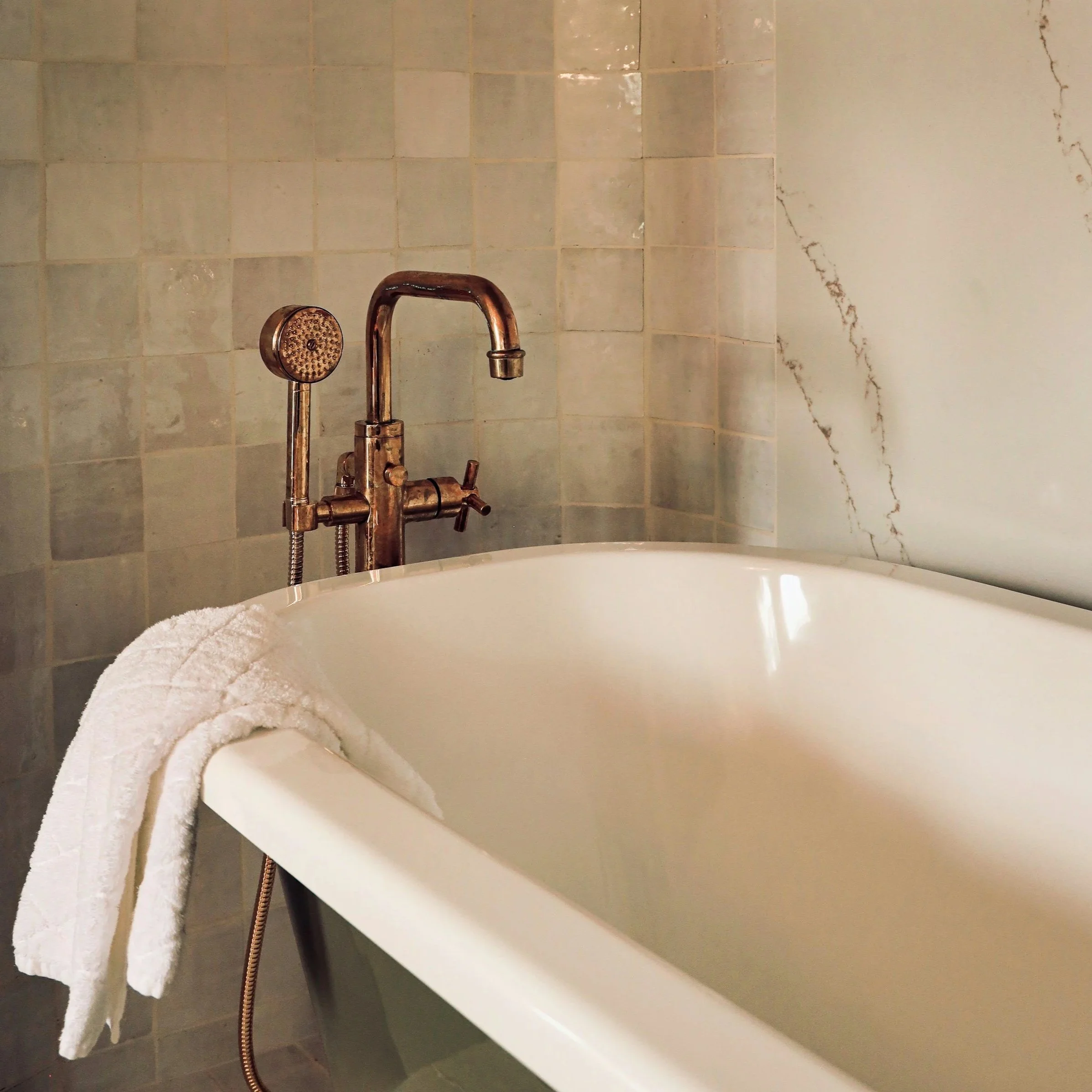
Updated bathrooms look great, feel more comfortable, and often increase a home’s resale value.
A bathroom remodel is one of the most popular home improvement projects — and for good reason. Updated bathrooms look great, feel more comfortable, and often increase a home’s resale value. But before you commit to a full-blown renovation involving demolition, re-tiling, rerouting plumbing, and new flooring, it’s worth asking a simple question: Do you really need a big remodel, or could smaller, strategic upgrades deliver the look and performance you want at a fraction of the cost and disruption?
A major remodel isn’t always the answer. For many homeowners, nagging annoyances aren’t symptoms of a flawed floor plan but of outdated fixtures, wear and tear, or minor inefficiencies that can be resolved with smarter, targeted changes. The bathroom is one of the smallest rooms in most homes, yet its plumbing, finishes, and layout are surprisingly complex. Because of that complexity, a major renovation often costs more, takes longer, and creates more stress than many people anticipate. The good news is that well-chosen upgrades and simple improvements can accomplish most of the desired benefits of a remodel — without all the headache.
In this guide, we’ll explore the common reasons people think they need a big bathroom remodel, why many of those reasons don’t actually require full renovation, and what alternatives deliver big impact with less cost, disruption, and risk.
What Drives People Toward Big Remodels
Homeowners seek bathroom remodels for many reasons, including:
Outdated style or finishes
Cramped or inefficient layout
Fixtures that leak or wear out
Poor lighting or ventilation
Accessibility needs
Desire for a spa-like experience
Increasing resale value
Each of these goals can justify a large project — but many can also be achieved with focused, less invasive changes that refresh the space without upheaval.
For example, outdated style is almost always a surface problem: tile, paint, fixtures, and hardware. Those components are among the easiest to update without moving plumbing or walls. A cramped layout is about usable storage rather than insufficient square footage. Poor lighting and ventilation are often addressed with updated fixtures and fans rather than tearing out walls.
Understanding what you’re truly trying to improve — appearance, functionality, comfort, or resale — helps determine whether a full remodel truly matches your needs.
When Small Upgrades Deliver Big Results
Not all bathroom problems are structural or layout-related. In fact, many of the frustrations people associate with “old bathrooms” come from fixtures and finishes that have aged or fallen out of favor. Addressing these elements individually can dramatically improve the space's look and feel without major demolition.
Updating Fixtures and Hardware
Replacing dated faucets, showerheads, towel bars, drawer pulls, and lighting can instantly modernize a bathroom. These changes don’t affect plumbing lines or cabinetry but dramatically shift the overall aesthetic. Choosing cohesive finishes — brushed nickel, matte black, or brass, for example — ties the space together without a full renovation.
Refreshing Surfaces and Paint
A fresh coat of paint on walls and ceilings in a modern, neutral palette brightens and visually expands the room. Regrouting or cleaning tile restores shine to floors and shower surrounds without removing a single tile. If surfaces are damaged but structurally sound, professional cleaning, sealing, or repainting can breathe new life into aging materials.
Upgrading Lighting and Ventilation
Poor lighting and inadequate ventilation can make even well-designed bathrooms feel dark, damp, and outdated. Installing brighter LED lighting, layered lighting (ambient + task + accent), and a properly sized exhaust fan addresses two major comfort complaints without any layout changes.
Replacing or Refinishing Cabinets and Counters
Cabinets and countertops often define how a bathroom functions and feels. Instead of removing cabinetry, you can repaint or reface doors, install new hardware, or replace old countertops with new materials that resist moisture and look fresh. These changes improve usability and style without cutting into walls or plumbing.
Fixing Functional Issues Without a Full Remodel
Sometimes people ask for a major remodel because something doesn’t work right — not because they want a new look. Common functional issues include low water pressure, leaks, clogs, noisy drains, or a shower that drains slowly. Many of these problems are plumbing-based, not design flaws, and fixing them doesn’t require moving walls or re-tiling.
For example:
Low water pressure or uneven flow often results from mineral buildup in fixtures or supply lines, which plumbers can fix by cleaning or replacing specific parts.
Leaky or inefficient fixtures — faucets, shower valves, or toilets — can be repaired or upgraded without changing the whole layout.
Slow drains indicate clogs or buildup deep in the line, not a need for a new shower. Professional drain cleaning restores flow without demolition.
Noisy drains or gurgling toilets often point to venting issues or partial blockages that plumbers can correct more quickly and cheaply than a remodel.
Water heater settings or capacity issues can be resolved with adjustments or upgrades that improve comfort without touching the bathroom’s structure.
These behind-the-scenes fixes restore performance and often eliminate the frustration that leads homeowners to consider a larger remodel.
Making the Space Feel Larger Without Changing the Footprint
One of the most common reasons people want to remodel is that their bathroom feels small. But small bathrooms can often be made to feel larger through simple design choices:
Light, neutral colors on walls and ceilings make spaces feel more open.
Large mirrors reflect light, visually expanding the room.
Clear glass shower enclosures make the room feel less segmented than opaque curtains or frosted doors.
Floating vanities or open shelving create visual breathing room by freeing up floor space.
Consistent flooring that extends under the vanity or shower without interruption elongates sightlines.
These design tactics improve perception of space without changing the physical footprint or moving plumbing lines.
When a Full Remodel Does Make Sense
There are absolutely situations where a major remodel is justified — and even necessary. These include:
Severe water damage from leaks or mold that requires structural repair
Cracks or settlement issues affecting tile, flooring, or walls
Plumbing infrastructure failures beneath the slab or in inaccessible locations
Accessibility needs that require barrier-free showers or widened doorways
Significant layout problems that a few surface upgrades cannot fix
Comprehensive updates for resale value where the investment returns more than the cost
Even in these cases, a qualified plumber or contractor can help you scope exactly what needs to be changed and avoid unnecessary work. A thoughtful plan avoids paying for more demolition — and disruption — than the situation demands.
The Hidden Costs of Big Bathroom Remodels
Remodels don’t just cost money — they cost time, convenience, and sometimes stress. A full bathroom renovation can:
Require multiple trades (plumber, electrician, tile setter, carpenter, painter), increasing coordination complexity.
Create days or weeks of disruption in your home, including dust and noise.
Reveal unexpected issues (hidden water damage, old wiring, non-code plumbing) once walls are opened.
Require permits and inspections, adding time and administrative costs.
Demand temporary bathroom arrangements if your home has only one.
Many homeowners start a remodel with a budget based on fixtures and finishes — only to find that hidden structural or plumbing issues add thousands before any new tile goes down.
By evaluating what you actually need versus what you assume you need, you can sidestep these pitfalls and focus on effective, lower-impact improvements.
A Smarter Path: Assessment, Prioritization, and Planning
Instead of jumping into a big renovation, here’s a smarter sequence to follow:
Assess your priorities. What bothers you most — appearance, function, comfort, efficiency?
Identify the root cause. Is it a symptom of a plumbing or fixture problem rather than design?
List possible targeted upgrades. Think faucet replacement, lighting, storage solutions, paint, shower doors, or tile resurfacing.
Get professional inspections where necessary. A plumber can diagnose slow drains, pressure issues, leaks, or fixture wear before you decide on bigger work.
Plan for impact vs. cost. Choose upgrades that deliver the most improvement per dollar and minimize disruption.
This approach gets you measurable gains sooner and avoids the domino effect of full renovation costs.
Conclusion: Remodel Less, Improve More
A big bathroom remodel has its place — but it isn’t always necessary to achieve the comfort, function, and style you want. In many cases, smart, focused upgrades and expert plumbing fixes deliver most or all of the benefit at a fraction of the cost and disruption. By identifying the trustworthy source of your frustrations and exploring targeted solutions first, you’ll save time and money, reduce stress, and create a bathroom you enjoy now — not just after weeks of demolition and reconstruction.
FAQ: Why a Big Bathroom Remodel Isn’t Always Necessary
Can minor upgrades make a bathroom look modern?
Yes — updating fixtures, lighting, paint, mirrors, and hardware can dramatically modernize a bathroom without a full renovation.
What’s the most common plumbing issue that feels like a renovation problem?
Slow drains, low water pressure, and leaks often feel like part of a dated layout but are actually fixable with specific plumbing maintenance or part replacements.
Will changing fixtures improve resale value?
Modern, coordinated fixtures can increase appeal without the cost and risk of moving walls or plumbing lines.
How is a full remodel truly needed?
Start with a professional assessment that separates cosmetic issues from structural or plumbing problems; only deep layout or structural damage justifies a full renovation.
Can lighting and ventilation changes make a small bathroom feel larger?
Absolutely — better lighting and ventilation reduce cluttered perception, brighten the space, and improve comfort without moving access points or plumbing.
If you need a licensed, bonded, insured plumber for your Phoenix area leak or your next plumbing project, call MNS Plumbing today.
