
When a Home Might Need a Sewer Cleanout — Early Signs, Why It Matters, and What to Do Next
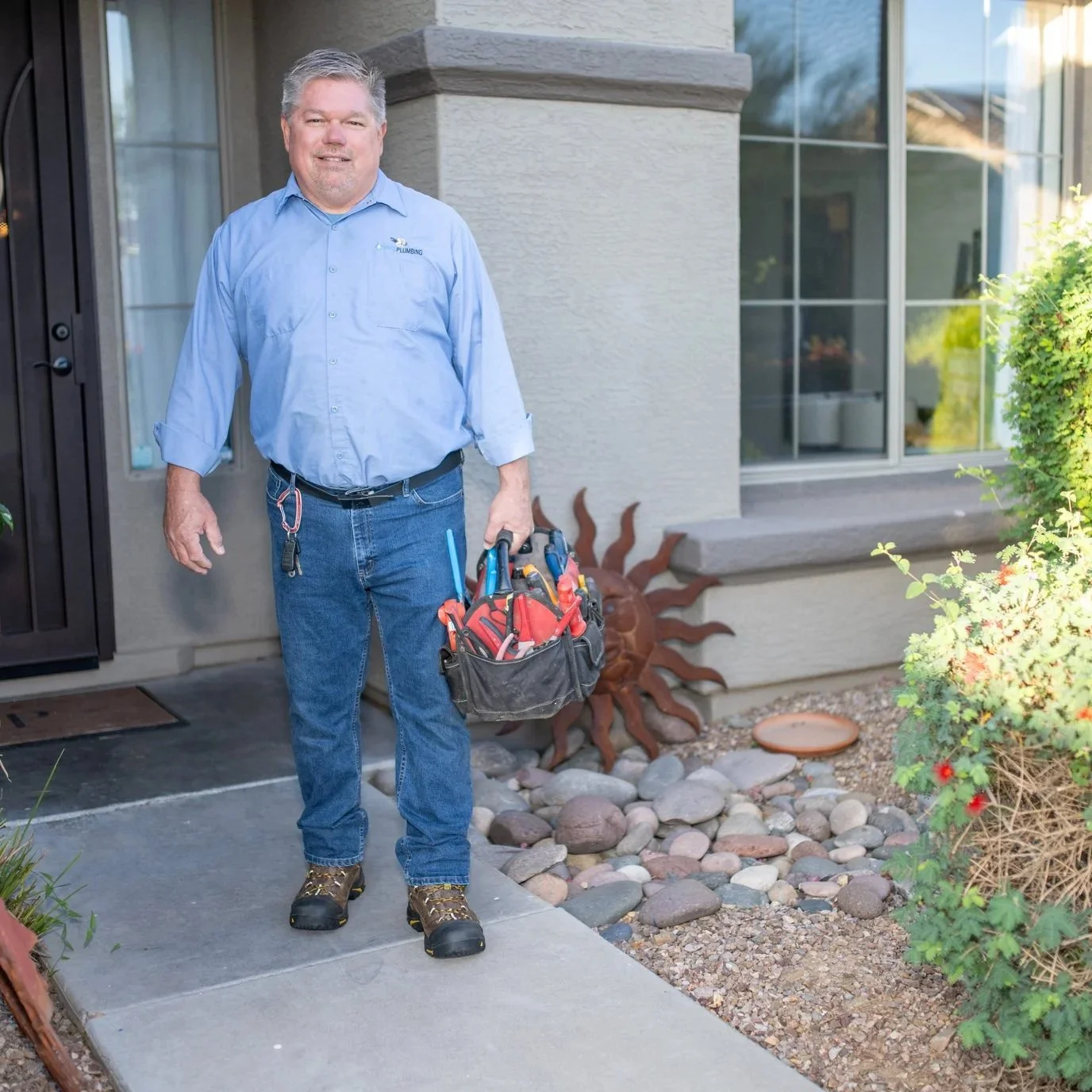
Unlike a clogged sink or a slow shower drain, sewer line problems happen deeper underground or beneath your slab, and they affect your entire plumbing system.
Most homeowners never think about their sewer line — until something goes wrong. Unlike a clogged sink or a slow shower drain, sewer line problems happen deeper underground or beneath your slab, and they affect your entire plumbing system. When wastewater can't travel freely from your home to the city's main or septic tank, it backs up into fixtures, drains slowly, or creates unpleasant odors and yard issues. A sewer cleanout is a key access point that allows plumbers to remove blockages before they turn into major headaches. But how do you know when your home actually needs one? Spotting the warning signs early saves money, prevents damage, and protects your home's value.
A sewer cleanout is a capped pipe that provides direct access into your sewer line so a plumber can inspect and clear obstructions efficiently. Over time, debris, roots, grease, and buildup accumulate deeper in the sewer line where ordinary drain plungers and household cleaners can't reach. When these blockages grow, they restrict flow and can cause serious backups that affect toilets, showers, laundry drains, and more. Recognizing when a cleanout is needed — and acting before disaster strikes — is one of the smartest moves a homeowner can make.
What a Cleanout Is and Why It's Important
A sewer cleanout is essentially a plumbing access port. It's usually a vertical pipe with a removable cap located somewhere on your property — often near the foundation, driveway, or in a utility area. When a plumber inserts tools or cameras through a cleanout, they can reach deep into the sewer line with minimal digging or disruption.
Without a cleanout, plumbers must access the sewer line by disconnecting fixtures or excavating the yard simply to reach the main line. A cleanout saves time, money, and mess because it provides a direct route to the problem area.
Knowing where your cleanout is and ensuring it's accessible is part of good home maintenance — especially in older homes where cleanouts may be hidden by landscaping, grass, or concrete.
Early Signs Your Sewer Line May Need Cleaning
Sewer problems don't always begin with a dramatic backup — most start subtly. Recognizing early signs gives you the chance to address issues before you're standing in raw sewage or paying for a major repair.
1. Slow Drains in Multiple Fixtures
If several drains throughout your home slow down at the same time — kitchen sink, bathtub, laundry, and floor drains — that's a red flag. A clog affecting only one fixture usually means a local blockage near that drain. But slow drainage across multiple fixtures often points to a deeper sewer line obstruction.
2. Gurgling Sounds
Hearing gurgling in your toilet after running the washing machine or filling the bathtub suggests air is trapped in the sewer line due to a partial blockage. When water tries to push through a restricted area, trapped air bubbles form and escape with noise.
3. Foul Odors
Persistent sewage smells in your bathroom, laundry area, or even outside near the yard indicate wastewater is having trouble draining. Odor can escape through dry traps or small vent paths when the line is partially blocked.
4. Sewage Backups
This is the most obvious — and most unwelcome — sign of a sewer line issue. If wastewater comes up through toilets, floor drains, or even shower drains, the line is severely restricted. Immediate action is needed to prevent damage.
5. Water Bills That Don't Add Up
Unexplained spikes in your water bill, especially absent additional usage, can indicate that wastewater isn't flowing properly and is lingering in the system, creating conditions where flushing and refilling cycles repeat unnecessarily.
6. Yard Signs
Soft, soggy patches of lawn, unusually lush vegetation, or small sinkholes in the yard can signal a leaking or blocked sewer line beneath. When sewer lines are blocked or damaged, wastewater can escape into the soil and disrupt grass growth or soil stability.
Early recognition of these symptoms gives you the chance to schedule a sewer cleanout or inspection rather than waiting for a full-blown emergency.
Why DIY Methods Can't Resolve Deep Sewer Clogs
When people see a slow drain, they often reach for a plunger, snake, or store-bought cleaner. These tools might clear shallow obstructions near the fixture, but sewer line issues are deeper and more complex. The pipe network that carries wastewater from multiple fixtures to the city system or septic tank is long and curved, and blockages can occur far from any drain opening.
Chemical "drain cleaners" and DIY snakes won't penetrate deep enough and can even damage pipe material or seals if misused. Professional sewer cleaning tools enter through a cleanout with the right reach, strength, and sensitivity to clear obstructions without harming the pipe system.
How Professionals Clean Sewer Lines
When you call a licensed plumber to address suspected sewer line trouble, they'll usually begin with an inspection — often using a specialized camera. This lets them see exactly where the problem is and what kind of blockage they're dealing with.
Once they identify the issue, two common approaches are used:
Hydro-Jetting
This method uses high-pressure water streams to wash away roots, grease, sludge, and debris that cling to the interior of sewer pipes. Hydro-jetting cleans the entire pipe surface rather than simply cutting through the blockage. It's one of the most thorough professional techniques and restores near-original flow capacity.
Mechanical Rodding
This involves using flexible rods with blades or cutters at the end to mechanically break up and remove stubborn debris or root masses. It's effective for certain types of blockages that aren't easily rinsed away with water pressure alone.
Both methods are inserted through the cleanout — a direct access point — which minimizes the need for excavation or disruptive access in your home.
When a Cleanout Doesn't Solve the Issue
Sometimes a blockage isn't the only problem. Sewer lines can also suffer from:
Root intrusion — roots growing into cracks or joints
Collapsed pipe sections
Offset joints due to ground shifting
Cracks from aging materials
If the inspection reveals structural damage, the plumber might recommend a pipe lining or pipe replacement. Modern trenchless pipe lining involves inserting a resin-coated sleeve that cures inside the damaged pipe, creating a new inner pipe without extensive digging. Full replacement, while more disruptive, is recommended when damage is extensive.
How Often You Should Plan Sewer Cleanouts
There's no one-size-fits-all schedule, but for most homes, a professional sewer line inspection every 2–3 years is a solid preventive measure — especially if you notice early signs of trouble. Homes with older plumbing systems, large trees, or heavy use might benefit from even more frequent checks.
If you've never had a sewer cleanout or camera inspection, scheduling one now gives you a baseline for your system's condition. That way, future changes are easier to spot.
How a Cleanout Protects Your Home and Budget
A sewer cleanout isn't a glamorous part of home maintenance, but it's one of the most impactful:
Prevents major backups that damage floors, walls, and finished spaces.
Reduces emergency repair costs by catching issues early.
Improves everyday plumbing performance across all fixtures.
Helps protect structural components from water damage or rot.
Keeps unpleasant odors away from living areas.
Having a cleanout also speeds up professional response times because plumbers can access the problem area immediately without disassembling fixtures.
Where to Find Your Sewer Cleanout
Cleanouts are usually located:
In the yard near the foundation line
Near the property line where the sewer exits the house
In a basement or crawlspace near where the main sewer line begins
Some homes have multiple cleanouts — one outside and one inside — giving technicians flexible access points.
If you don't know where yours is, a professional plumber can locate it during a system check or inspection visit.
FAQ: When a Home Might Need a Sewer Cleanout
What exactly is a sewer cleanout?
A sewer cleanout is a capped access pipe that allows plumbers to reach deep into your home's sewer line to clear blockages or inspect conditions without invasive excavation.
Can I unclog a sewer line myself?
No. DIY methods only reach shallow blockages near fixtures. Deep sewer line obstructions require professional tools accessed through a cleanout.
Why do sewer line clogs happen?
Clogs often form from accumulated debris, grease, roots, soil movement, and buildup over time that narrows or blocks the pipe's interior.
What happens if I ignore sewer line problems?
Left untreated, sewer backup can spill into toilets, drains, and floors, causing water damage, odors, mold growth, and costly repairs.
How long does a sewer cleanout take?
Cleanout service time varies with severity — simple hydro-jetting can be done in one visit, whereas structural issues may take longer depending on the repair method needed.
If you need a licensed, bonded, insured plumber for your Phoenix area leak or your next plumbing project, call MNS Plumbing today.
