
Valley Water Rates: Fair or Not?
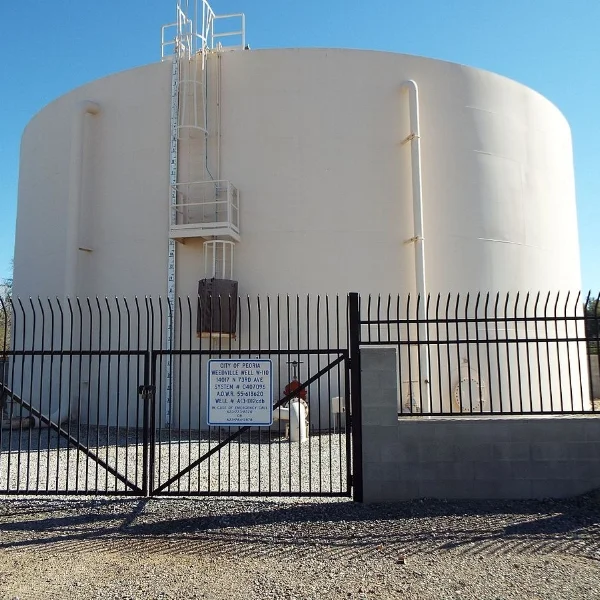
Your water bill affects household budgets, landscaping decisions, and long-term planning, so understanding how water rates are calculated, why they change, and what you can do to manage your water usage more efficiently can save money and reduce waste.
Water is one of the most essential utilities in modern life, yet many homeowners struggle to determine whether the water rates they pay are fair and reasonable. In regions like the Valley, where residential water usage varies seasonally, and infrastructure costs continue to rise, questions about affordability, fairness, and how rates are structured are top of mind for many families. Your water bill affects household budgets, landscaping decisions, and long-term planning, so understanding how water rates are calculated, why they change, and what you can do to manage your water usage more efficiently can save money and reduce waste.
This complete guide breaks down how residential water rates work, what influences pricing, how usage impacts your bill, strategies for lowering water costs, and what rights and resources are available to homeowners who feel their rates are unfair or unexpected.
How Residential Water Rates Are Structured
Most water utilities structure rates using a combination of fixed charges and variable usage fees:
• Base service charges – A fixed monthly cost all customers pay for access to the water system, infrastructure maintenance, and meter reading.
• Usage tiers – Fees based on how much water you use, often calculated per 1,000 gallons or cubic feet. Many systems use a tiered structure where rates increase as usage rises.
• Seasonal surcharges – Some regions add seasonal pricing to account for peak demand in hot or dry months, especially when irrigation and outdoor water use increase.
These elements balance the cost of delivering safe, treated drinking water with conservation goals while generating revenue for system maintenance and upgrades.
What Factors Affect Water Rates
Several factors influence how much homeowners pay for water:
Infrastructure Costs
Utilities must repair aging pipelines, replace water meters, upgrade treatment facilities, and expand capacity for future growth. These capital investments require funding, and rates are one key revenue source to cover construction and maintenance costs.
Water Source and Treatment
Where water comes from matters. Groundwater, surface water, and imported supplies all have different costs associated with capture, pumping, treatment, and distribution. More complex treatment — such as filtration for contaminants or desalination — adds to the price you pay at the tap.
Seasonal Demand
In areas with hot, dry climates, residential irrigation increases in summer months, driving up demand. Higher peak demand requires utilities to invest in capacity and storage, which influences overall pricing models.
Population Growth and Development
Growing communities require expanded water delivery networks, larger treatment capacities, and additional storage. While growth drives economic development, it also brings costs that must be absorbed through rates.
Conservation Incentives
Some utilities intentionally structure rates with steep increases in higher usage tiers to incentivize water conservation. While this approach can feel punitive to some, it encourages responsible use and preserves limited water resources in the long term.
How Water Usage Is Measured
Water usage is typically measured at your home by a water meter that records flow in gallons or cubic feet. Readings from one billing period to the next determine how much water you consumed. Utility bills break down usage by:
• Current meter reading
• Previous reading
• Total usage for the billing period
• Base charges and usage fees
Understanding how to read your bill helps you see patterns in water use and identify periods of higher consumption.
Seasonal Usage Patterns and Their Impact
Most homes see a significant increase in water use during warm months, driven by irrigation, lawn care, and outdoor activities. In contrast, indoor usage remains more consistent year-round. Because many utilities charge higher rates in summer, seasonal peaks can dramatically raise annual costs.
Tracking how your usage changes with the weather helps you adjust irrigation schedules, fix leaks promptly, and implement conservation strategies that lower bills without affecting comfort.
Is Your Water Rate Fair?
Whether your water rate is “fair” depends on your perspective — from the utilities’ need to maintain infrastructure to your personal budget impact. Here are questions to consider when evaluating fairness:
• Are you being charged a rate comparable to similar utilities in nearby cities?
• Do seasonal usage tiers encourage responsible conservation without creating undue financial hardship?
• Are there discrepancies between your high usage and actual household needs?
• Does your utility provide clear explanations for rate increases and how funds are used?
Fairness involves transparency, alignment with actual service costs, and communication around why changes happen.
How to Manage and Reduce Your Water Bill
Water usage habits and efficiency improvements can directly reduce your bill:
Invest in Water-Efficient Fixtures
Low-flow toilets, showerheads, and faucet aerators reduce indoor water use without compromising performance.
Adjust Irrigation Schedules
Water early mornings or late evenings to reduce evaporation, and water less during rainy or cool periods. Smart irrigation controllers automatically adjust based on weather and soil conditions.
Monitor Your Water Meter
Check your meter regularly to spot spikes that indicate leaks or unusual usage. A sudden increase often shows hidden leaks or running toilets that need immediate attention.
Fix Leaks Promptly
Even slow drips add up. A leaking toilet or faucet can waste hundreds to thousands of gallons of water each month, significantly raising your bill.
Use Appliances Efficiently
Run dishwashers and washing machines only with full loads, and choose high-efficiency models that use less water per cycle.
How Water Rates Compare Regionally
Water utilities across different regions often use similar rate structures, but the actual cost per unit can vary widely based on water source, climate, infrastructure age, and local policy goals. Comparing water rates with other municipalities — adjusting for cost of living and regional needs — helps you understand whether your bill aligns with broader patterns or if it’s unusually high.
What to Do If You Think Your Water Bill Is Too High
If you believe your bill doesn’t reflect your usage or the rate seems unfair:
Review Your Water Use History: Compare current bill usage to past months and years to spot anomalies.
Check for Leaks: Inspect toilets, faucets, irrigation systems, and hidden lines.
Call Your Water Utility: Ask for an explanation of charges and help reviewing usage patterns.
Request a Meter Test: If you suspect meter inaccuracy, some utilities can test your meter for accuracy.
Explore Assistance Programs: Many utilities offer payment plans, conservation rebates, or assistance programs for qualifying homeowners.
Being proactive helps you avoid surprises and ensures that charges reflect actual usage.
Why Responsible Water Usage Benefits Everyone
Reducing residential water usage isn’t just about lowering bills; it’s about long-term sustainability. Conserving water protects local water supplies, reduces pressure on treatment facilities, delays the need for costly infrastructure expansion, and supports environmental stewardship.
Responsible water usage benefits your household and your community by preserving a critical resource for future generations.
Residential Water Rate Questions Homeowners Ask When Bills Increase
Are water rates too high for homeowners?
Water rates vary widely depending on infrastructure costs, water source treatment, and local usage patterns. Whether rates feel high often depends on regional pricing structures and individual household consumption.
How can I lower my water bill quickly?
Immediate ways to reduce water costs include fixing leaks, adjusting irrigation schedules, installing water efficient fixtures, and running appliances only with full loads.
Why do seasonal rates affect my water bill so much?
Many utilities apply seasonal pricing tiers or surcharges during warmer months when outdoor water use increases. Even if indoor usage remains steady, higher overall consumption can raise your bill.
Can I challenge my water bill if it seems incorrect?
Yes. Reviewing your usage history, checking for leaks, and contacting your water utility to request billing clarification or a meter test can help resolve potential billing issues.
Are there assistance programs for water bills?
Many water providers offer conservation rebates, flexible payment plans, or assistance programs designed to help qualifying homeowners manage higher water costs.
Services like water purification, water pressure repair, trenchless pipe replacement and repair, and sump pump installation and repair require precision and expertise. Our team at MNS Plumbing ensures professional results and quality workmanship.
