
Top 7 Ways to Discover if Your Home Has a Broken Sewer Pipe
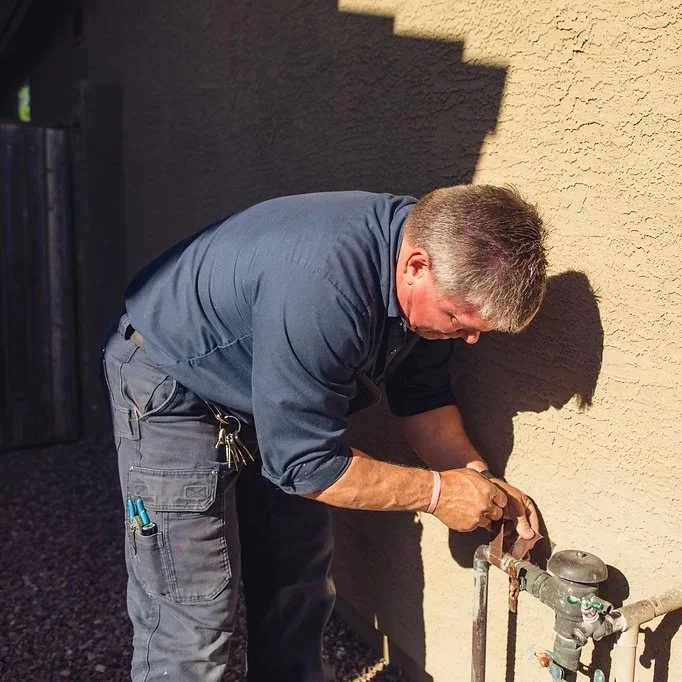
Because sewer pipes are typically buried underground or hidden beneath flooring, detecting problems early requires an understanding of the warning signs that signal trouble and the steps you should take when those signs appear.
Problems with a sewer line rank among the most serious plumbing issues a homeowner can face. Unlike a clogged sink or a dripping faucet, a broken sewer pipe is not something you can ignore or hope will go away on its own. Sewer lines carry wastewater from your home to the municipal sewer system or septic tank, and any compromise in that line directly affects your health, your property, and the value of your home. Because sewer pipes are typically buried underground or hidden beneath flooring, detecting problems early requires an understanding of the warning signs that signal trouble and the steps you should take when those signs appear.
A broken sewer pipe is different from a simple clog. Clogs happen inside a fixture’s drain line and are usually caused by the buildup of debris such as grease, hair, soap residue, paper products, or foreign items. By contrast, a broken sewer pipe means the structural integrity of the main line itself — the pipe connecting your home to the sewer or septic — is compromised. This can be due to age, shifting soil, root intrusion, corrosion, freezing and thawing, or physical damage from construction activity. When the sewer line fails, wastewater may leak into the ground beneath your yard, seep into your basement, or back up into toilets, tubs, and drains. Recognizing the signs of a broken sewer pipe early is crucial because delays can lead to extensive damage, foul odors, health risks, and costly replacements.
Understanding the Importance of Early Detection
Detecting a broken sewer pipe is not just about fixing a plumbing problem. It’s about protecting your health and your home. Sewer water contains harmful bacteria, pathogens, and organic matter that can contaminate your living space and create environments suitable for mold and pests. In addition, sewage leaking into soil around the foundation can undermine structural support and lead to erosion or settling, worsening damage over time. The earlier you recognize the signs and call a licensed plumber with experience in sewer line inspection and repair, the better your chance of preventing long-term issues and minimizing repair costs.
Because sewer lines are hidden from view, homeowners must rely on indirect signs and symptoms that something is wrong. Some of these signs are obvious — such as wastewater backing up into your home — while others are subtle, like unexplained greenery in patches of your yard where grass seems unusually lush. Paying attention to your plumbing system’s performance and how your home responds to changes in drainage or odors can help you identify sewer line issues before they become emergencies.
1. Frequent or Persistent Backups in Multiple Fixtures
One of the most unmistakable signs of a broken sewer pipe is frequent backups in more than one drain or fixture. If your toilet backs up when you run the washing machine, or if a shower drain gurgles and overflows when the dishwasher empties, the problem is likely in the main sewer line rather than in a localized, fixture-specific clog. Pipe clogs in individual fixtures generally affect only that one line. When multiple drains slow down or back up at the same time, it often indicates that wastewater cannot exit through the primary sewer pipe, meaning there may be a break, collapse, or blockage deep within it.
These backups may start intermittently and then worsen over time. Initially, you might only notice slow draining or occasional gurgling. But as the break enlarges or the pipe becomes more compromised, backups become more frequent and more severe. Waiting to see how bad the problem becomes is not a strategy; sewage backing up into your home poses health risks and requires immediate professional intervention.
2. Foul Odors Coming from Drains or Lawn
Sewer gas smells are unmistakable — pungent, rotten, and unpleasant. When sewer lines break underground, the gases that are normally safely carried away through vent stacks in the roof can escape through cracks in the sewer line and make their way into your home or yard. Homeowners often report odors near drains, around floor drains in basements, or even in their yard near where the sewer line runs. Because hydrogen sulfide and other sewer gases can be dangerous at high concentrations, persistent smells should never be dismissed or attributed to other causes without investigation.
In many cases, the odor is strongest near fixtures that connect directly to the sewer line, such as toilets and floor drains. If the smell intensifies after running water or using appliances, it’s another indicator that wastewater and gas are not following their intended path. A professional can conduct a sewer line inspection using cameras and gas detection tools to determine if there is an actual crack or break.
3. Soggy or Unusually Lush Spots in the Yard
Sewer leaks can show up outdoors long before any backup appears inside the home. Wastewater leaking from a broken pipe irrigates the soil around it, creating conditions where grass and plants grow more vigorously than in the surrounding yard. These patches may stay green even in dry weather and may feel soft or spongy underfoot because of the excess moisture in the soil.
This symptom often begins as a small patch of lush grass and may go unnoticed until other signs appear. These spots are essentially early warning signals — places where sewage is escaping into the soil instead of flowing through the proper outlet. Although lush grass might seem harmless or even desirable, in this context, it signals moisture where it should not exist and warrants professional sewer inspection.
4. Pest Activity or Bloating Near the Foundation
Broken sewer pipes don’t just release liquid; they release organic waste that attracts pests. Rodents, insects, and other animals are drawn to the scent and food source presented by leaking sewage. An increase in pest activity near the foundation, near cleanout points, or in areas of the yard that seem otherwise unremarkable could indicate a sewer line issue.
In addition, the soil around a leaking sewer pipe can become overly saturated, causing ground heaving, settling, or bloating. This can create uneven spots in the lawn, cracks in driveways or sidewalks, and foundation stress. Over time, these conditions compound and lead to structural concerns that go beyond plumbing and into home repair territory.
5. Water or Sewage in the Basement or Crawlspace
Perhaps the most alarming sign of a broken sewer pipe is water or sewage visibly entering your basement, crawlspace, or lower levels of the home. When sewer lines are compromised, wastewater may back up into drains, toilets, showers, or floor drains and even spill onto floors. This is a clear indication that sewer water cannot flow properly toward its outlet and instead has found a path back into living spaces.
These backups create urgent health concerns, as sewage contains harmful bacteria, viruses, and contaminants. Cleanup requires not only fixing the break but also sanitizing affected areas to prevent mold and bacterial growth. Immediate action, including shutting off water use and calling a professional plumber, is essential to protect your family and your home.
6. Changes in Water Pressure or Drainage Patterns
While less dramatic than backups or odors, changes in how water moves through your home — such as slow-draining bathtubs, sink backups when other fixtures are used, or toilets that flush erratically — often point to drainage issues farther down the system. If you notice that one fixture affects another, such as the bathtub gurgling when the washing machine empties, this interconnection suggests a main sewer problem rather than isolated clogs. Over time, these symptoms worsen as the sewer pipe deteriorates, leading to more frequent backups and larger blockages that compound the original problem.
7. Visible Pipe Damage After Excavation or Landscaping Work
Sometimes a broken sewer pipe is uncovered indirectly through home improvement work, landscaping projects, or construction near the home. Disturbed soil, heavy machinery, tree removal, or new hardscape installation can displace soil and exert pressure on underground pipes, causing them to crack or collapse. If this happens, it is usually obvious, with visible pipe sections displaced or damaged where the work occurred. Recognizing this connection and calling a professional immediately can prevent wastewater leaks and ensure repairs are made with proper pipe materials and installation techniques.
What to Do When You Suspect a Broken Sewer Pipe
If you notice any of the signs above, the first step is to minimize further damage by reducing water use. Avoid running multiple fixtures simultaneously, refrain from using washing machines or dishwashers, and do not flush toilets unnecessarily. Then, contact a licensed plumber with expertise in sewer line inspection and repair. Professionals use specialized cameras, locators, and tools to diagnose the exact location and severity of a break without guessing or unnecessary excavation. Once identified, repairs may involve digging to expose the broken pipe section, trenchless pipe lining, pipe replacement, or sectional excavation, depending on the condition of the line and the best solution for your property.
Prompt response prevents wastewater from contaminating soil and foundations, avoids escalating repair costs, and protects your family’s health. Sewer pipes are a major system of the home, and addressing issues early ensures long-term system performance.
Broken Sewer Pipe Problems That Demand Immediate Attention
What is the difference between a clogged drain and a broken sewer pipe?
A clogged drain usually affects a single fixture and is caused by debris buildup near that drain. A broken sewer pipe impacts the main waste line and often causes multiple drains to back up or show problems at the same time.
Can sewer pipe issues affect the yard before the house?
Yes. When a sewer pipe breaks, wastewater can leak into the surrounding soil, creating unusually green grass, foul smells, and soft or soggy areas in the yard before indoor plumbing problems appear.
Why do sewer odors indicate a broken pipe?
A broken sewer pipe allows sewer gas and wastewater to escape the system before reaching the main line. These gases can move into the home or yard, resulting in persistent and unpleasant odors.
Is a sewer pipe break an emergency?
Yes. A broken sewer pipe is a serious plumbing emergency that requires immediate professional service. Left untreated, it can create health hazards, damage foundations, and lead to extensive plumbing failures.
How do professionals locate a broken sewer pipe?
Plumbers use sewer cameras and electronic locating equipment to pinpoint the exact location and extent of the damage. This approach avoids unnecessary digging and allows for accurate, targeted repairs.
MNS Plumbing offers comprehensive sewer rodding, sewer excavation, sewer repair, and sewer ejector pump services to homeowners in the Phoenix Area. We are licensed and provide 24/7 emergency services.
