
Thermal Expansion Tank
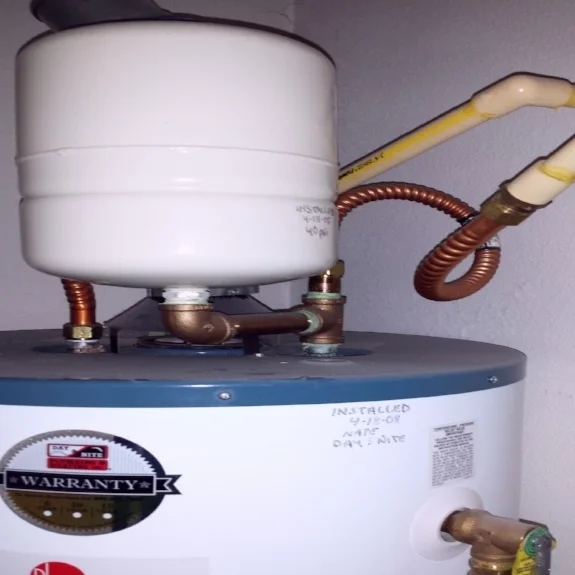
This small tank plays a big role in preventing pressure damage in your water heater and plumbing system — and knowing how it works helps you avoid costly repairs, leaks, and premature equipment failure.
When it comes to your home’s plumbing system, many components work quietly behind the scenes to protect pipes, fixtures, and appliances. One of the most misunderstood yet incredibly important devices is the thermal expansion tank. This small tank plays a big role in preventing pressure damage in your water heater and plumbing system — and knowing how it works helps you avoid costly repairs, leaks, and premature equipment failure.
Whether you’re building a new home, upgrading a water heater, or troubleshooting pressure-related plumbing issues, this complete homeowner’s guide explains what a thermal expansion tank is, how it functions, why it’s required, how to size and install one properly, and when it’s time to call a professional plumber.
What Is a Thermal Expansion Tank?
A thermal expansion tank is a small, pressurized tank installed near your water heater. Its main function is to absorb excess pressure that builds up in your home’s plumbing system when water is heated. This pressure increase, known as thermal expansion, occurs because water expands as it warms up — and without somewhere for that expanded water to go, stress can build inside pipes, fixtures, and the water heater itself.
The expansion tank contains an air-filled bladder or diaphragm that compresses as water fills the tank, providing a safe place for the system to absorb pressure increases. By controlling pressure spikes, the thermal expansion tank protects your plumbing and extends the life of your water heater.
Why Thermal Expansion Happens
Water is unique in how it behaves when heated. When water temperature rises inside a closed plumbing system — such as when a tank-style water heater heats incoming cold water — the volume of water increases. In older plumbing systems or systems without a backflow preventer, this expanded water could back out into the public water supply.
However, modern plumbing codes often require backflow prevention devices — such as check valves, pressure-reducing valves, or other assemblies — to prevent treated water from returning to the municipal system. While these devices protect public health, they also mean your home’s plumbing becomes a closed system. When water expands within that closed environment, pressure must be managed — and that’s where a thermal expansion tank becomes necessary.
Common Signs You May Need a Thermal Expansion Tank
If your home does not have a thermal expansion tank installed and your water heater operates in a closed system, you may notice pressure-related symptoms:
• Water heater leaks — seals or fittings fail under increased pressure
• T&P valve discharges — safety valve trips frequently
• Noisy pipes — expansion noise when hot water runs
• Pressure fluctuations — unpredictable water pressure in fixtures
• Premature water heater failure — internal stress shortens lifespan
These warning signs often indicate pressure issues that a thermal expansion tank can help resolve.
How a Thermal Expansion Tank Works
A thermal expansion tank consists of two main sections separated by a flexible diaphragm:
• Air chamber — filled with compressed air that provides a cushion
• Water chamber — connected to the plumbing system
When the water heater heats water and pressure increases, some of that expanding water flows into the expansion tank’s water chamber. As water enters, it compresses the air chamber on the other side of the diaphragm. This compression balances rising pressure and prevents excessive stress on your plumbing system. When pressure drops again, the air chamber pushes water back into the plumbing system.
In essence, the expansion tank acts like a shock absorber for your water heater — smoothing out pressure changes and protecting pipes, valves, and seals.
Thermal Expansion Tank Installation Basics
Installing a thermal expansion tank seems simple, but proper installation ensures it works effectively and safely:
Location
The expansion tank should be mounted near your water heater’s cold-water inlet — typically within a few feet. The inlet line carries the expanded water back into the system, and placing the tank nearby minimizes pipe strain.
Orientation
Most tanks are installed horizontally or vertically, depending on space and manufacturer recommendations. Verify the tank is securely supported to avoid stress on plumbing joints.
Pressure Setting
Expansion tanks are pre-charged with air at a specific pressure, usually matching your home’s water pressure. If your incoming water pressure is different, the tank’s air charge must be adjusted before installation to ensure proper performance.
Isolation Valve
A shut-off valve before the expansion tank allows maintenance or replacement without draining your entire system.
Because thermal expansion tanks interact with pressurized water systems, professional installation is recommended to guarantee code compliance and optimal performance.
How to Size a Thermal Expansion Tank
Selecting the correct expansion tank size prevents over-pressurization and ensures your system functions smoothly. The right tank size depends on:
• Water heater capacity — larger tanks produce more expansion
• Incoming water pressure — higher pressure requires more cushion
• Temperature range — greater temperature increases generate more expansion
• System volume — long runs of pipe or multiple fixtures affect overall water volume
Tank manufacturers provide sizing charts and calculators based on these factors. A professional plumber can help you choose the proper size so the expansion tank provides the correct pressure absorption without oversizing.
Maintenance and Lifespan of Expansion Tanks
Thermal expansion tanks require minimal maintenance, but periodic inspection ensures they continue functioning:
Check the Air Charge
Over time, the air charge inside the tank can leak down. A quick pressure check with a tire gauge, done annually, verifies whether the air side holds the proper charge.
Inspect for Leaks
Look for signs of water around the expansion tank or at its connections. Moisture indicates potential diaphragm failure or plumbing leaks.
Listen for Noises
Unusual noises when hot water runs can indicate an active expansion tank managing pressure — but loud or repetitive thumping may signal an underlying issue.
Most expansion tanks last many years, but replacement may be necessary if the internal bladder fails or the tank body corrodes.
Do I Really Need a Thermal Expansion Tank?
If your home’s plumbing has a closed system — which is common in modern builds due to backflow prevention devices — a thermal expansion tank isn’t just a convenience; it protects your plumbing, appliance warranties, and overall system reliability.
Homes without backflow preventers may not require expansion tanks, but most municipalities and plumbing codes now mandate backflow prevention. When in doubt, a simple inspection by a qualified plumber determines whether your system is closed and whether an expansion tank is required or recommended.
How Thermal Expansion Tanks Protect Your Plumbing
Without adequate pressure relief, thermal expansion causes stress that shows up as:
• Leaking pressure-relief valves
• Pinholes in copper piping
• Weak fittings and joints
• Reduced water heater lifespan
An expansion tank absorbs pressure spikes, reducing wear and protecting expensive plumbing components.
Safety and Code Considerations
Building codes in many regions require thermal expansion tanks on water heaters in closed systems. Installing a tank isn’t just a best practice — it helps guarantee your plumbing meets local safety regulations and protects homeowners against pressure-related failures. Always check local codes or consult a licensed plumber to confirm requirements for your area.
Thermal Expansion Tank Questions Homeowners Should Understand
What is a thermal expansion tank, and what does it do?
A thermal expansion tank absorbs excess pressure created when water heats and expands inside a closed plumbing system. This added protection helps prevent stress on your water heater, valves, and household piping.
How do I know if my home needs one?
If your plumbing system includes a backflow preventer, pressure reducing valve, or other device that stops water from flowing backward, your system is considered closed and typically requires a thermal expansion tank.
Can a thermal expansion tank fail?
Yes. Over time, the internal bladder can wear out or lose air pressure. When this happens, the tank can no longer absorb pressure properly and may need replacement.
Where should it be installed?
A thermal expansion tank is usually installed near the cold water inlet of the water heater. Proper mounting and matching the tank’s pre charge pressure to the home’s water pressure are essential for correct operation.
Does a thermal expansion tank require maintenance?
Maintenance needs are minimal, but periodic inspections and air pressure checks help confirm the tank is still functioning correctly and protecting the plumbing system.
Trust MNS Plumbing, a licensed and friendly plumber in the Phoenix area, for all your gas water heaters, electric water heaters, and gas line installation and repair needs.
