The Perks of Having a Regular Home Plumbing Inspection — What Every Homeowner Should Know
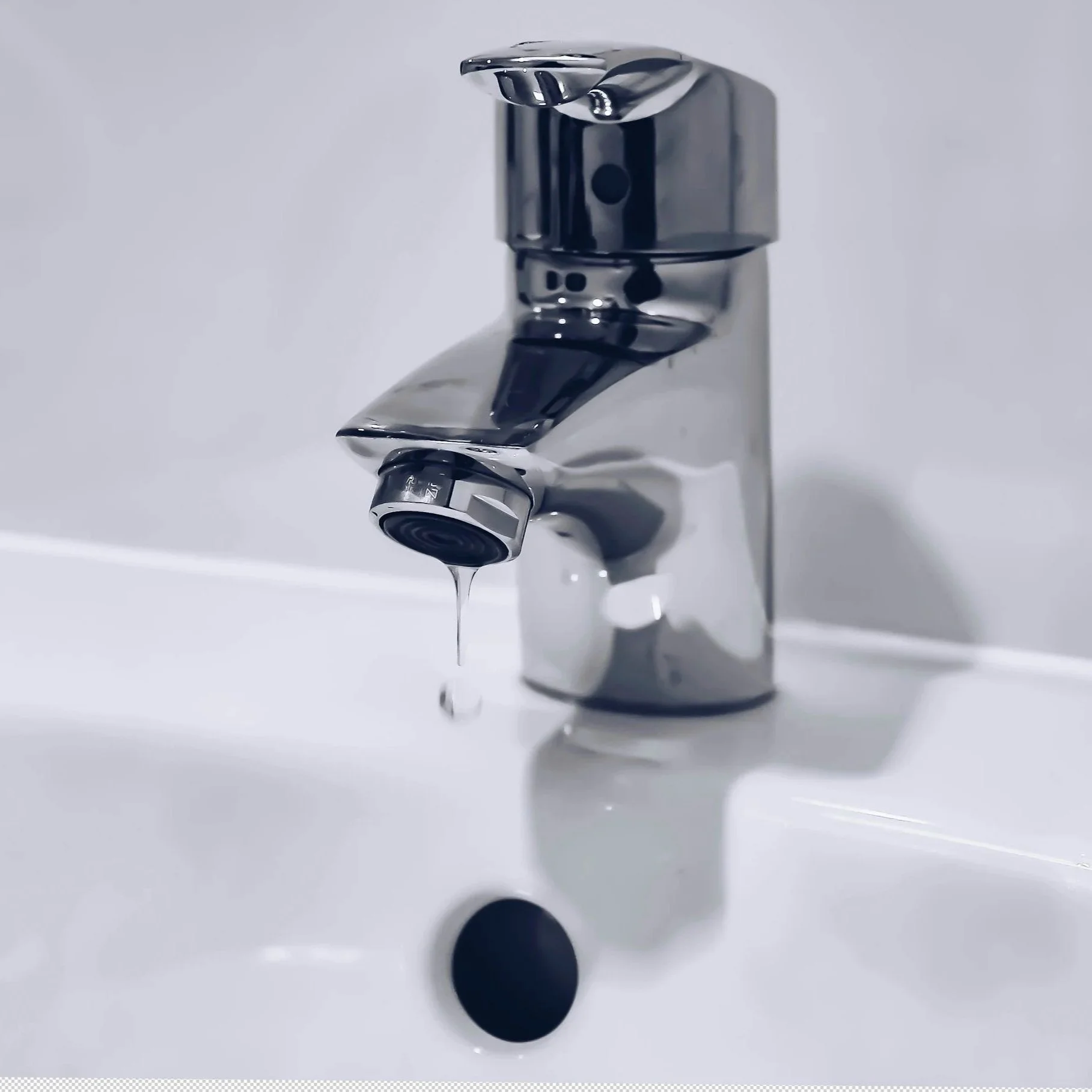
A professional inspection isn’t about reacting after a leak or a clog; it’s about preventing these problems before they disrupt your life and cost you money.
Plumbing is one of those systems most homeowners don’t think much about — until something goes wrong. Faucets, toilets, showers, and drains work day in and day out with little attention, quietly transporting water in and wastewater out without fanfare. But behind that simplicity is a complex network of pipes, valves, connections, and fixtures that wear over time, under pressure, with age, minerals, and environmental conditions. Because so much of plumbing is hidden — inside walls, under floors, or beneath slabs — minor issues often go unnoticed until they escalate into big problems.
That’s where regular plumbing inspections make a difference. A professional inspection isn’t about reacting after a leak or a clog; it’s about preventing these problems before they disrupt your life and cost you money. Investing in routine plumbing safety checks gives you early visibility into conditions you can’t see, protects your home’s infrastructure, enhances water efficiency, and boosts peace of mind. Whether you live in an older home with aging pipes or a newer build with high-end fixtures, plumbing inspections are one of the smartest proactive maintenance choices you can make.
Think about your car — you get oil changes, fluid checks, tire rotations, and inspections to prevent breakdowns. Your home’s plumbing deserves the same level of care. Catching issues early means smaller repairs, fewer emergencies, and a system that works reliably when you need it most.
How Regular Inspections Catch Problems Early
Even well-built plumbing systems develop wear over time. Water pressure fluctuates, joints loosen, seals degrade, minerals from hard water accumulate, and occasional pressure surges stress pipe walls. Without periodic inspection, many of these conditions go unnoticed until a more visible sign — a stain on the ceiling, a puddle under a sink, or a foul smell from a drain — signals trouble.
A routine plumbing inspection systematically checks all accessible components:
Starting at the water supply entry point, a plumber checks pressure levels and the overall condition of the main line. Excessive pressure strains pipes and fixtures, accelerating wear and increasing the risk of leaks. Too low pressure may point to restrictions, valve misalignment, or upstream issues.
All water supply lines — visible pipes, shut-off valves, flexible connectors — are examined for signs of corrosion, stress, or minor drips. A small leak from a supply line under a sink may go unnoticed for weeks, but can rot cabinetry and flooring if left unchecked. Early detection prevents a messy, costly replacement later.
Drain lines and vents are also assessed. Slow drains often indicate beginning blockages in drain lines, which eventually lead to backups and standing water. Inspecting vent stacks ensures air can properly enter the system so drains function smoothly; blocked or improperly installed vents are frequent culprits of gurgling drains and slow flow.
Water heaters — both tank and tankless — are inspected for sediment buildup, corrosion at connections, pressure relief valve function, and temperature performance. A slight decline in water temperature or a rumbling sound from a tank heater often signals sediment accumulation, which reduces efficiency and shortens the unit’s lifespan.
Even outdoor spigots, irrigation connections, and exterior valves are checked in accessible areas. Seasonal conditions — freezing winter temperatures or intense summer heat — can stress outdoor plumbing. Inspections before extreme weather help prevent freeze damage or pressure spikes that otherwise lead to cracks and leaks.
Save Money by Preventing Costly Repairs
One of the biggest perks of regular plumbing inspections is the financial benefit. While routine checkups have a modest upfront cost, they help you avoid major surprise expenses later. Plumbing repairs grow exponentially when minor issues are left alone. A tiny pinhole leak in a supply line can, over weeks or months, soak subflooring, warp cabinets, damage finished surfaces, and require extensive restoration work — and that’s just from one hidden drip.
Early detection means smaller, more affordable fixes. Replacing a worn valve washer or tightening a joint costs a fraction of the price of repairing water damage to walls and floors. Clearing a slow drain identified during inspection is cheaper and less disruptive than removing panels and ripping out carpets after a sewer backup. Replacing a worn pipe section proactively avoids an emergency cleanup bill, the need to replace personal property, and potential mold remediation.
Plumbing inspections also help you plan financially. When a professional identifies components nearing the end of their useful life — like a water heater that’s several years old — you gain time to budget and schedule a replacement on your terms instead of dealing with an unexpected failure during peak use.
Inspections often include evaluating water efficiency as well. Leaking fixtures, dripping toilets, and high-flow showerheads all waste water and add dollars to your bill. A professional can identify inefficient fixtures and recommend repairs or upgrades that reduce water use and lower your monthly costs.
Extend the Life of Your Plumbing System
Plumbing is an investment, and like any investment, routine care pays long-term dividends. Pipes and fixtures surrounded by moisture, temperature fluctuations, and mineral-laden water endure wear that’s invisible until it’s serious. Regular inspections look for early signs of corrosion, stress fractures, mineral deposits, and seal degradation. Catching these issues early lets you address root causes before they accelerate deterioration.
In homes with hard water, mineral buildup — especially around faucets, showerheads, and pipe joints — is a chronic issue. Over time, these minerals reduce water flow and increase pressure on fixtures and pipes. During an inspection, a plumber can identify signs of scale buildup, recommend softening solutions, and remove deposits that would otherwise continue accumulating. Managing hard water helps fixtures perform better and can double or triple their lifespan.
For older homes with original plumbing materials such as galvanized steel or outdated piping, inspections are even more valuable. Professionals assess the condition of historical systems, identify deterioration that may not be obvious to the homeowner, and recommend replacement with modern, durable materials such as PEX or copper.
Enhance Water Quality and Safety
Your plumbing system does more than move water — it plays a critical role in the quality and safety of the water you use. Although municipal systems treat water before it reaches your home, contaminants can still enter or accumulate within your private plumbing system. Rust, scale, stagnant water in infrequently used lines, or backflow issues between potable and non-potable systems can all compromise water quality.
During an inspection, a plumber checks for signs of:
Corrosion in exposed pipes that may affect taste or color
Rust or discoloration at taps indicating internal degradation
Cross-connections that lack proper backflow prevention
Stagnant zones where bacteria have the potential to grow
Pressure fluctuations that might pull contaminants into the supply if backflow devices aren’t installed
Addressing these conditions protects not just your plumbing hardware but also your family’s health. Installing backflow prevention, flushing stagnant lines, repairing corroded pipes, or upgrading to safer materials all contribute to cleaner, safer water from every tap.
Improve Performance and Reliability
Nothing is more disruptive than a plumbing failure in the middle of the day — a shower that won’t drain, a toilet that won’t flush, or a kitchen sink that backs up just as dinner is ready. Because plumbing is integrated into so many daily routines, reliability matters. Regular inspection ensures your system works smoothly when you need it.
Professionals help ensure that:
Water pressure is balanced and within safe limits
Drains flow freely without hidden restrictions
Valves operate properly in case of emergency shutdowns
Seals and gaskets are intact and leak-free
Water heaters consistently deliver the temperature you expect
A system that is regularly inspected is less likely to surprise you with a performance issue when you least expect it. The reliability that comes from routine checks translates into confidence — and fewer interruptions to your daily life.
Why Skip Waiting for a Crisis
Too many homeowners wait until there’s a problem large enough to disrupt life — a burst pipe, significant leak, or sewer backup — before calling a plumber. But by that point, the situation has escalated into a high-stress, high-cost event. Plumbing inspections shift your approach from reactive to proactive. Instead of asking “Why is this happening now?” you get ahead of issues and replace questions with a plan.
Routine inspections educate you about the condition of your system, rather than leaving you in the dark about its hidden health. You learn which components are strong, which are aging, and which might need attention in the coming months or years. That knowledge lets you make informed choices rather than rushed decisions under emergency pressure.
If you’re selling your home or planning renovations, an inspection adds value and confidence. Buyers like knowing the plumbing is in good shape; renovation professionals like knowing where the system stands before cutting into walls or floors.
How Often You Should Schedule a Plumbing Inspection
For most homes, a plumbing inspection once a year is an excellent routine. Older homes or systems with a history of issues may benefit from semiannual checks. Newer installs still benefit annually because even new systems are affected by usage patterns, water quality, and seasonal changes.
Inspections are especially helpful before seasons that strain plumbing — cold weather, when pipes are at risk of freezing, or summer, when irrigation and outdoor faucets see heavy use. Scheduling a check before summer or winter ensures you’re prepared, reducing the risk of seasonal stressors turning into disasters.
Choosing a Professional You Can Trust
The value of a plumbing inspection depends on who performs it. A licensed plumber with experience in diagnostics and preventative maintenance goes beyond surface checks — they understand how systems behave over time, recognize early red flags, and communicate clearly about options and priorities.
When choosing a professional for inspections:
Look for licensing and insurance
Ask about experience with homes like yours
Request a thorough report rather than a quick checklist
Choose someone who explains findings in plain language
Prefer plumbers who offer maintenance recommendations
A good inspector becomes a trusted advisor, not just someone who checks boxes.
FAQ: The Perks of Regular Home Plumbing Inspections
How often should I get my home’s plumbing inspected?
Most homes benefit from a yearly inspection. Older systems or homes with past issues may need checks every six months.
Will an inspection prevent all plumbing problems?
No inspection can guarantee that every issue will be prevented, but regular checks significantly reduce the risk of major failures and help catch minor issues before they grow.
Are plumbing inspections expensive?
They cost far less than emergency repairs. Think of them as preventive care — a modest expense compared to fixing water damage or replacing major components after a failure.
Can I inspect my plumbing myself?
You can check visible fixtures and watch for obvious leaks, but professionals use tools and experience to detect hidden issues you would otherwise miss.
What’s included in a professional plumbing inspection?
A full inspection covers water supply lines, water pressure, drain and vent performance, water heater condition, valves, visible fixtures, and signs of hidden leaks or corrosion.
If you need a licensed, bonded, insured plumber for your Phoenix area leak or your next plumbing project, call MNS Plumbing today.
