
Tankless Water Heater Basics
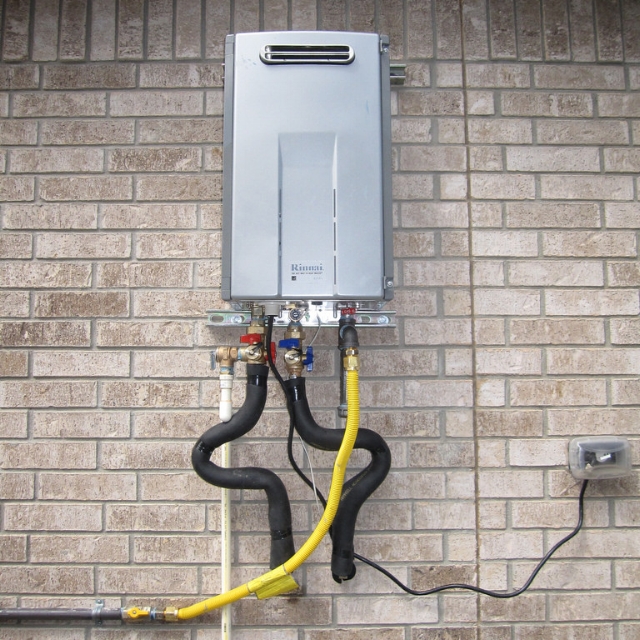
Whether you are considering upgrading your current system, planning a renovation, or simply exploring ways to improve your home's energy efficiency, understanding how tankless water heaters work, their advantages and limitations, and what to expect during installation can help you make a confident decision.
Tankless water heaters have grown rapidly in popularity among homeowners because they deliver hot water more efficiently, take up less space, and offer long-term savings compared with traditional tank water heaters. Whether you are considering upgrading your current system, planning a renovation, or simply exploring ways to improve your home's energy efficiency, understanding how tankless water heaters work, their advantages and limitations, and what to expect during installation can help you make a confident decision.
This complete guide breaks down the fundamentals of tankless water heaters, how they differ from traditional systems, the key benefits and drawbacks, maintenance considerations, cost questions, and how to choose the right unit size for your household needs. By the end, you will know whether a tankless water heater is the best hot-water solution for your home.
What Is a Tankless Water Heater and How It Works
A tankless water heater — sometimes called an on-demand or instantaneous water heater — heats water only when needed, rather than storing hot water in a large tank. Traditional tank water heaters continuously heat and reheat water to maintain a reserve supply, resulting in standby energy loss. Tankless systems eliminate that waste by using high-powered burners or electric elements to heat water instantly as it flows through a heat exchanger.
When a hot water tap or appliance is turned on, cold water enters the tankless unit. Sensors detect the demand and activate the heating mechanism, rapidly bringing the water up to the desired temperature before delivering it to your faucet, shower, or washing machine. When the tap is turned off, the system stops heating immediately, resulting in highly efficient operation.
Key Advantages of Tankless Water Heaters
Tankless water heaters offer several compelling benefits that appeal to modern homeowners:
• Endless Hot Water: Because water is heated on demand, you are not limited by the volume of a tank. Multiple household members can shower, do laundry, and run the dishwasher without depleting stored hot water.
• Energy Efficiency: Without constant reheating and standby losses, tankless models often achieve higher energy efficiency ratings than traditional tanks, lowering monthly utility bills.
• Longer Lifespan: Tankless units typically last longer than tank water heaters because they endure less corrosion and have replaceable parts, often providing reliable performance for fifteen to twenty years.
• Space Savings: Compact design means tankless heaters occupy far less room, making them ideal for small utility closets, garages, or tight installation spaces.
• Reduced Risk of Leaks: Because there is no large tank of water to rust through, the chances of major leaks and water damage are reduced.
These advantages make tankless water heaters an appealing upgrade for many households, particularly those seeking energy savings, space optimization, and a reliable hot water supply.
Drawbacks to Consider Before Switching
While tankless water heaters have numerous benefits, they are not perfect for every situation. Understanding the limitations helps homeowners decide if they are the right fit:
• Upfront Cost: Tankless units generally cost more than traditional tank models, including higher equipment and installation costs due to gas line upgrades, venting requirements, or electrical adjustments.
• Flow Rate Limits: Each tankless water heater has a maximum flow rate. If multiple fixtures demand hot water simultaneously, the system may struggle to maintain temperature without proper unit sizing.
• Installation Complexity: Upgrading from a tank to a tankless system may involve changes to gas lines, venting systems, or electrical panels, which require professional expertise.
• Delayed Hot Water Delivery: Because water is heated as it travels through the unit, it may take slightly longer for hot water to reach distant fixtures compared with tank systems.
Despite these considerations, many homeowners find that the long-term savings, performance benefits, and continuous hot water supply outweigh the initial investment.
Sizing Your Tankless Water Heater Correctly
Choosing the proper tankless water heater size is essential for performance and satisfaction. Unlike tank water heaters, which are sized by storage capacity, tankless systems are sized by flow rate (measured in gallons per minute, or GPM) and temperature rise — the difference between incoming water temperature and the desired output temperature.
A professional assessment takes into account your local climate, household size, peak usage times, and the types of fixtures in your home. For example, taking a shower and using a washing machine at the same time requires a higher combined flow rate than using a single fixture. Getting the sizing right prevents performance issues and ensures you have enough hot water when you need it most.
Gas vs Electric Tankless Water Heater Options
Tankless water heaters come in both gas-fired and electric models. Each has advantages depending on your home's infrastructure and hot water needs:
Gas Tankless Water Heaters
• Often deliver higher flow rates
• Preferred for larger households or high-demand applications
• May require outdoor venting or specialized exhaust systems
Electric Tankless Water Heaters
• Easier to install in many homes
• No combustion or gas lines
• Ideal for point-of-use applications or homes without gas service
Your choice depends on existing utilities, desired flow rates, budget, and installation constraints. Consult with a licensed plumber to decide which option best suits your situation.
Installation Considerations for Tankless Systems
Installing a tankless water heater is a job for trained professionals. Unlike replacing a traditional tank with another tank model, switching to tankless may require:
• Reconfiguring gas lines to support higher BTU demand
• Installing new venting for combustion exhaust
• Upgrading electrical service for electric models
• Adjusting water lines and mounting systems
• Verifying proper clearance and safety spacing
Professional installation minimizes safety risks, confirms warranty compliance, and optimizes system performance. Improper installation can lead to inefficient operation, temperature fluctuations, or premature wear.
Maintenance Requirements for Tankless Water Heaters
Like all mechanical systems, tankless water heaters require routine maintenance to maintain performance and longevity. One of the most important tasks is flushing the heat exchanger to remove mineral buildup. Hard water conditions accelerate scale formation, reducing heat transfer efficiency and potentially shortening system life.
Annual or biannual professional maintenance typically includes:
• Flushing and descaling the heat exchanger
• Inspecting burners or heating elements
• Checking water filters and strainers
• Verifying venting and safety systems
• Testing temperature controls
Regular maintenance helps preserve efficiency, reduces energy costs, and prevents premature breakdowns.
Energy Savings and Long-Term Value
Tankless water heaters are most attractive when viewed as a long-term investment. Although the upfront cost is higher, energy savings accumulate over time because you pay only for the hot water you use rather than heating and reheating stored water. For households with moderate to high hot water usage, this efficiency translates into noticeable savings on monthly utility bills.
Additionally, longer service life and reduced risk of tank leaks add value by decreasing long-term replacement and repair costs. When combined with proper sizing and maintenance, tankless water heaters deliver consistent performance and greater value over the years.
Common Misconceptions About Tankless Water Heaters
Homeowners often carry assumptions that can lead to frustration if expectations don't match reality. Clearing up these misconceptions helps you make a more informed choice:
• "Tankless means instant hot water at every tap." Tankless heaters provide on-demand heating, but hot water still needs to travel through pipes. Distance from the unit can affect delivery time.
• "One size fits all." Tankless systems must be correctly sized for your household's peak demand. A unit that is too small results in reduced flow or cooler water during simultaneous use.
• "Maintenance isn't needed." Tankless systems require routine care, especially in areas with hard water.
Understanding what tankless water heaters can and cannot do helps set realistic expectations and ensures satisfaction.
Is a Tankless Water Heater Right for Your Home?
The right choice depends on your lifestyle, budget, energy goals, and hot water usage. Tankless water heaters excel in homes with:
• High simultaneous hot water demand
• Limited utility space
• Desire for energy savings
• Long-term investment planning
If your current water heater struggles to keep up, wastes energy through standby losses, or takes up valuable space, a tankless upgrade might be the perfect solution.
Tankless Water Heater Repair and Maintenance Questions Homeowners Should Know
How long do tankless water heaters last compared with traditional models?
Tankless water heaters commonly last fifteen to twenty years, which is longer than most traditional tank units. Their design reduces corrosion and allows key components to be replaced rather than the entire system.
Do tankless water heaters really save on energy costs?
Yes. Tankless systems heat water only when it is needed and do not rely on constant reheating. This on demand operation often results in lower energy use and reduced monthly utility costs.
Can I install a tankless water heater myself?
Professional installation is strongly recommended. Tankless units often require gas line modifications, specialized venting, electrical upgrades, and precise sizing to deliver safe and reliable performance.
What maintenance does a tankless water heater require?
Routine maintenance includes flushing the heat exchanger to remove mineral buildup, inspecting burners or heating elements, and checking filters and control systems to maintain efficiency and lifespan.
Will a tankless water heater provide hot water for multiple fixtures at once?
A properly sized tankless water heater can support multiple fixtures simultaneously. A professional evaluation helps match the unit’s flow rate to your household’s peak hot water demand.
Trust MNS Plumbing, a licensed and friendly plumber in the Phoenix area, for all your gas water heaters, electric water heaters, and gas line installation and repair needs.
