
Reasons for a Wobbly Toilet
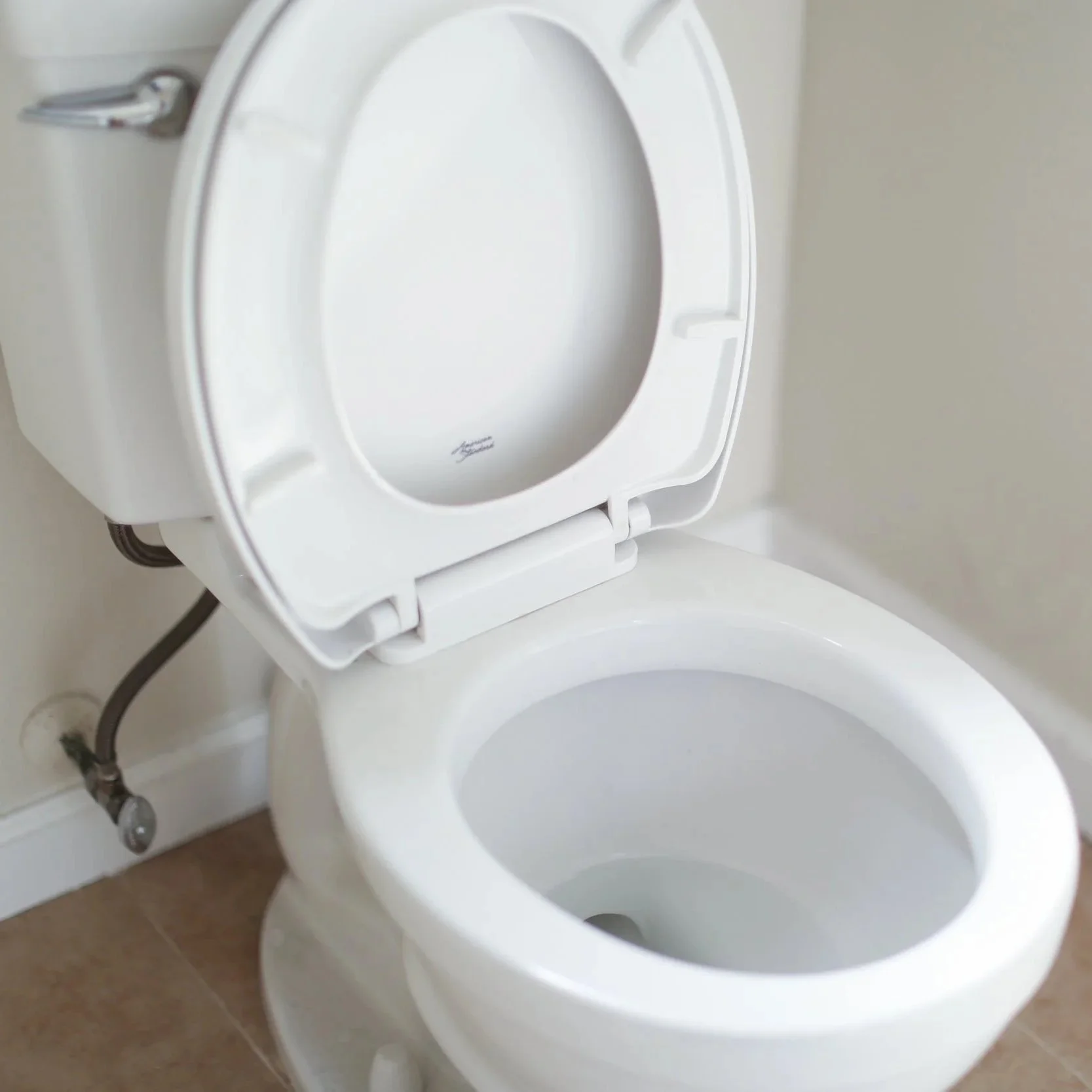
Because toilets are connected directly to your home’s plumbing system and sit atop a sealed flange leading to the sewer or septic line, instability in that fixture can signal problems ranging from simple wear to serious structural issues.
A toilet that wobbles might seem like a small nuisance — something you notice only when you sit down or lean against it. But the truth is that a wobbly toilet is rarely just about a loose screw. Because toilets are connected directly to your home’s plumbing system and sit atop a sealed flange leading to the sewer or septic line, instability in that fixture can signal problems ranging from simple wear to serious structural issues. Ignoring it may lead to leaks, broken seals, water damage, unpleasant odors, and even costly bathroom repairs.
Unlike faucets or showerheads, toilets experience constant physical force. Every flush, every sit, every shift applies pressure to the base, bolts, and seal that hold the fixture in place. Over time, components wear, washers compress, wax rings degrade, and floorboards settle. A wobbly toilet is a symptom of underlying issues — some simple and easy to fix, others indicating something deeper is going on beneath your bathroom floor.
Understanding the causes, how professionals diagnose the problem, and what steps you can take to stabilize your toilet gives you the confidence to address it before it becomes a larger plumbing or structural issue. Whether you’re a new homeowner or you’ve lived in your house for years, knowing why toilets wobble and what the risks are will help you protect your home.
The Most Common Causes of a Wobbly Toilet
The first thing to understand about a wobbly toilet is that it rarely occurs in isolation. Behind every problem lies a cause, and while some causes are simple to repair, others may indicate more significant weaknesses in your bathroom’s floor or plumbing installation.
One of the most frequent reasons a toilet wobbles is loose or degraded closet bolts — the bolts that secure the toilet base to the floor flange. These bolts are positioned on either side of the toilet and tightened to hold the fixture firmly. Over time, repeated use, moisture, and slight shifts in the flooring can cause these bolts to loosen or the nuts to strip, allowing the bowl to separate from the floor. This type of movement might feel minor at first, but it can quickly worsen with repeated use.
Closely related to loose bolts is the issue of a deteriorated wax ring. The wax ring sits between the bottom of the toilet and the flange on the drain pipe, creating a watertight seal that prevents sewer gases from entering your bathroom and wastewater from leaking out. A properly installed wax ring also helps stabilize the toilet as part of its seal. But wax rings are just that — wax — and over time they can compress, dry out, or break down, especially in homes with high humidity or minor floor movement. Once this seal fails, not only does the toilet wobble, but sewer odors or even slow leaks can occur.
Flooring issues behind a wobbly toilet are also common. Older homes, bathrooms with water damage, or areas where subflooring has weakened due to previous leaks may not provide firm, level support for the toilet base. Even if the bolts and wax ring are intact, an uneven or soft floor will allow the toilet to rock. In these situations, diagnosing the problem requires not just fixing the toilet itself but addressing the condition of the floor beneath it.
In some cases, the flange that connects the toilet to the drain pipe is damaged or improperly installed. A flange that is cracked, corroded, or sitting too low or too high relative to the finished floor can prevent proper alignment and secure attachment of the toilet. As you use the fixture, this misalignment causes movement that feels like a loose toilet.
Occasionally, the design and age of the toilet contribute to wobbliness. Older toilets with outdated mounting systems or homes where the toilet was not installed by a professional plumber may display subtle fit issues right from the beginning. While less common, these cases remind homeowners that proper installation matters just as much as sound materials and ongoing maintenance.
How to Tell Whether It’s a Minor Issue or Something More Serious
A wobbly toilet can range from a simple fix to a symptom of hidden water damage. One initial telltale sign is whether the wobble is isolated to slight movement near the base or whether you feel the movement extend upward toward the bowl and tank. Minor movement that doesn’t change over time is often related to loose bolts or seal deterioration. However, if the toilet’s motion seems pronounced, shifts every time you sit down, or has worsened gradually, that’s a sign the problem may involve the floor structure or flange alignment.
Another clue is water stains or soft spots around the base of the toilet. Visually inspect the flooring around the fixture. Discolored tile, warped vinyl edges, or sagging flooring all point to chronic moisture exposure, which weakens the structural supports beneath the toilet. In such cases, tightening bolts without fixing the underlying moisture issue is only a temporary solution.
Unpleasant odors near the base of the toilet, especially when the toilet hasn’t been flushed recently, can also indicate a compromised seal. When sewer gases escape through a broken wax ring or misaligned flange, you may notice persistent odors that suggest the problem is not only structural but sanitary in nature.
Even subtle signs — such as feeling drafty air near the base, hearing gurgling sounds after flushing, or noticing water accumulating around bathroom fixtures — may indicate that wastewater is escaping where it shouldn’t. These signs warrant a closer look by a professional who can determine whether the wobble is a symptom of a plumbing or structural issue.
What Professionals Do to Diagnose and Repair a Wobbly Toilet
When you call a licensed plumber for a wobbly toilet, the goal is not simply to tighten a few bolts. A thorough diagnosis begins with inspecting the entire assembly: the mounting bolts, the condition of the wax or rubber seal ring, the level and integrity of the flange, and the condition of the surrounding floor. A detailed inspection helps determine whether the problem is local to the toilet or connected to a deeper issue like subfloor moisture or drain pipe misalignment.
To address loose or worn closet bolts, a professional removes the toilet and assesses the condition of the threaded rods and nuts that secure it. These bolts may be replaced with rust-resistant hardware, and proper torque is applied to ensure stability without cracking the toilet base.
If the wax ring has deteriorated or compressed over time, the fixture is lifted, the old wax seal removed, and a new seal installed. Professionals may opt for modern alternatives such as rubber gasket seals or enhanced wax rings with improved sealing properties for longer service life.
Floor issues beneath a toilet often require additional steps. A plumber may check for soft spots with a probe and follow up with moisture measurements or visual inspection of subfloor materials. In cases where water damage has compromised support, replacing sections of the subfloor or adding reinforcing materials may be necessary before reinstalling the toilet.
When the flange is damaged or improperly positioned, professionals use flange extension kits, repair rings, or even replace the flange entirely. Proper flange height relative to the finished floor — neither too high nor too low — is critical for a secure, leak-free toilet installation. Aligning and securing the flange prevents future movement and ensures a better seal.
In every case, once the repair is complete, plumbers test the toilet’s stability, confirm that water seals are watertight, and verify that flushing and filling mechanisms operate correctly. This comprehensive approach ensures that what might have begun as a wobbly fixture is now a secure, reliable part of your bathroom’s plumbing.
Risks of Ignoring a Wobbly Toilet
A wobbly toilet is more than just a nuisance; it’s a problem that signals stress on your plumbing and your home’s structure. Ignoring it may lead to worsening water damage around flooring and subflooring, mold growth in unseen spaces beneath the bathroom, and higher repair costs when minor issues become major ones. Because toilets sit atop the drain line for wastewater, an unstable fixture threatens the integrity of the wax seal or gasket that prevents sewer gases from entering your home. Once that seal fails, foul odors, bacterial exposure, and unsanitary conditions may follow.
The wobble itself, repeated with every use, increases the chance of cracking the porcelain base or damaging the toilet’s mounting holes. Cracked toilets are not easily repaired and often require full replacement, adding to the cost. Additionally, a toilet that shifts frequently may stress the water supply line, potentially leading to pinhole leaks or fittings that loosen over time.
From a financial standpoint, delaying repair can mean paying for subfloor replacement, mold remediation, and fixture replacement instead of a relatively inexpensive seal or hardware fix. From a comfort and safety perspective, a stable toilet protects the health and well-being of the household rather than becoming a silent, ongoing problem.
Proactive Steps Homeowners Can Take
To prevent toilet wobbling from becoming a persistent issue, homeowners can start by routinely checking base stability and looking for water stains, soft floor spots, or odors. Knowing where the shut-off valve is beneath the toilet and being comfortable turning off the water helps mitigate damage when movement first becomes noticeable. Learning how to tighten mounting nuts lightly — without overtightening — gives homeowners a practical first step, but this should be done only after confirming the floor beneath is solid, and no leaks are present.
Maintaining proper ventilation in bathrooms also helps reduce moisture buildup that contributes to subfloor weakening over time. Regularly inspecting other fixtures and drains for slow leaks prevents chronic moisture problems that often show up first at critical junctures like toilet bases.
For long-term peace of mind, scheduling periodic professional plumbing inspections — especially in older homes or bathrooms that experience heavy use — helps catch early signs of plumbing wear before they escalate. Professional assessments provide an additional layer of protection and help homeowners make informed decisions rather than reacting to problems only after they’ve grown severe.
Wobbly Toilet Problems Every Homeowner Should Know
What usually causes a toilet to wobble?
The most common causes are loose mounting bolts, a deteriorated seal between the toilet and drain (wax ring or gasket), subfloor issues beneath the toilet, or a damaged flange connecting the toilet to the drain line.
Is a wobbly toilet an emergency?
Not always, but it shouldn’t be ignored. A wobbly toilet often signals wear or damage that can lead to leaks, odors, and structural damage if left unrepaired.
Can I tighten a wobbly toilet myself?
You can check and lightly tighten the mounting bolts, but without correcting underlying seal or floor issues, this is usually a temporary fix. If the wobble persists, a professional repair is recommended.
How does a damaged wax ring affect toilet stability?
The wax ring not only prevents leaks but also helps stabilize the toilet at the base. When it deteriorates, the seal fails, and the toilet loses a key point of stability.
When should I call a plumber for a wobbly toilet?
Call a plumber if tightening bolts doesn’t solve the problem, if there are odors or water stains, if the floor feels soft, or if the wobble worsens over time. A professional can diagnose and fix both the visible issue and the underlying causes.
Need reliable and affordable faucet repairs, replacement, and installation, toilet plumbing repair, backflow plumbing, and slab leaks services in the Phoenix and AZ Greater Metro Area? Contact MNS Plumbing at 602-362-4524.
