
Plumbing Remodels and Repairs: What Homeowners Need to Know Before You Start
nderstanding how plumbing remodels and repairs work gives you confidence to plan effectively, make savvy decisions with contractors, and avoid common pitfalls that cost time and money.
Remodeling a bathroom or kitchen and fixing plumbing problems are two of the most impactful projects you can undertake in your home. Done right, they improve comfort, increase property value, and eliminate long-standing issues; done poorly, they can lead to recurring leaks, mold, structural damage, and frustration. Plumbing is one of the most foundational systems in any home — it’s invisible when it’s working and obvious when it fails. Because plumbing lines run behind walls, under floors, and through ceilings, even small adjustments during a remodel or repair can have big effects on performance, cost, and longevity. Understanding how plumbing remodels and repairs work gives you confidence to plan effectively, make savvy decisions with contractors, and avoid common pitfalls that cost time and money.
Plumbing remodels and repairs are not just about replacing fixtures or cutting into old lines. They’re about integrating new components into an existing system that may be decades old, upgrading infrastructure to meet current standards and code, and addressing symptoms and root causes of past issues. Whether you’re updating a dated kitchen, expanding a bathroom, swapping fixtures, or fixing a nuisance leak, the interaction between water supply, wastewater drainage, venting, and structural components matters. Because a well-designed plumbing remodel handles current needs and anticipates future use, it requires thoughtful planning and often professional involvement. Let’s walk through what you need to know before you raise a sledgehammer or turn off the water.
Planning Your Remodel: Assess Needs vs. Wants
When you think about remodeling a bathroom or kitchen, the first ideas usually center around style — modern showers, freestanding tubs, farmhouse sinks, or elegant faucets. But before choosing finishes, the most important planning step is assessing your functional needs. How many people use this space daily? Do you plan to age in place? Are any existing issues — slow drains, low pressure, recurring leaks — symptomatic of deeper system problems? Remodeling plumbing gives you a rare opportunity to correct long-standing concerns while installing new fixtures.
Take inventory of what works and what doesn’t in your current setup. Old supply lines that haven’t been replaced for decades may benefit from upgrading to more durable materials. Drain lines that have sagged over time can be re-pitched for better flow. Water heaters barely meeting demand provide an opportunity to upgrade to more efficient or higher-capacity models. These decisions influence how the remodel proceeds and often determine whether repairs beyond cosmetic fixture swaps are warranted.
Good planning also means understanding layout constraints. Moving fixtures like toilets, bathtubs, or kitchen sinks often requires rerouting supply and drain lines, which can add cost and complexity. In some homes, walls are not plumbed to allow easy relocation; the floor structure or foundation may need reinforcement to accommodate new lines. Knowing these constraints before demolition begins prevents surprises during construction.
Pros and Cons of DIY vs. Professional Work
Homeowners love DIY projects, and in some aspects of remodeling — painting, cabinetry, tiling — DIY can save money and give great results. When it comes to plumbing remodels and core repairs, the equation changes. Plumbing affects your home’s water supply, wastewater disposal, structural components, and indoor air quality (because of venting). Mistakes can cause leaks behind walls, water damage under floors, hidden mold, and even compromised structural supports.
Minor tasks such as replacing a faucet or installing a new showerhead are often safely done by informed DIYers. But jobs that involve cutting into supply lines, rerouting drains, connecting to stacks, or altering venting systems typically require a licensed plumber. Professionals know how to manage local plumbing code requirements, ensure proper slopes on drain lines, size supply lines correctly, and pressure-test systems for leaks. Because these factors influence long-term performance and safety, professional involvement in major remodels and repairs protects your investment.
Moreover, professional plumbers have tools that the average DIYer does not — drain cameras, hydro-jetting equipment, pipe reamers, and pressure testers. These tools reveal hidden problems before they become emergencies and ensure that new installations don’t create unintended consequences.
Key Considerations in Bathroom Plumbing Remodels
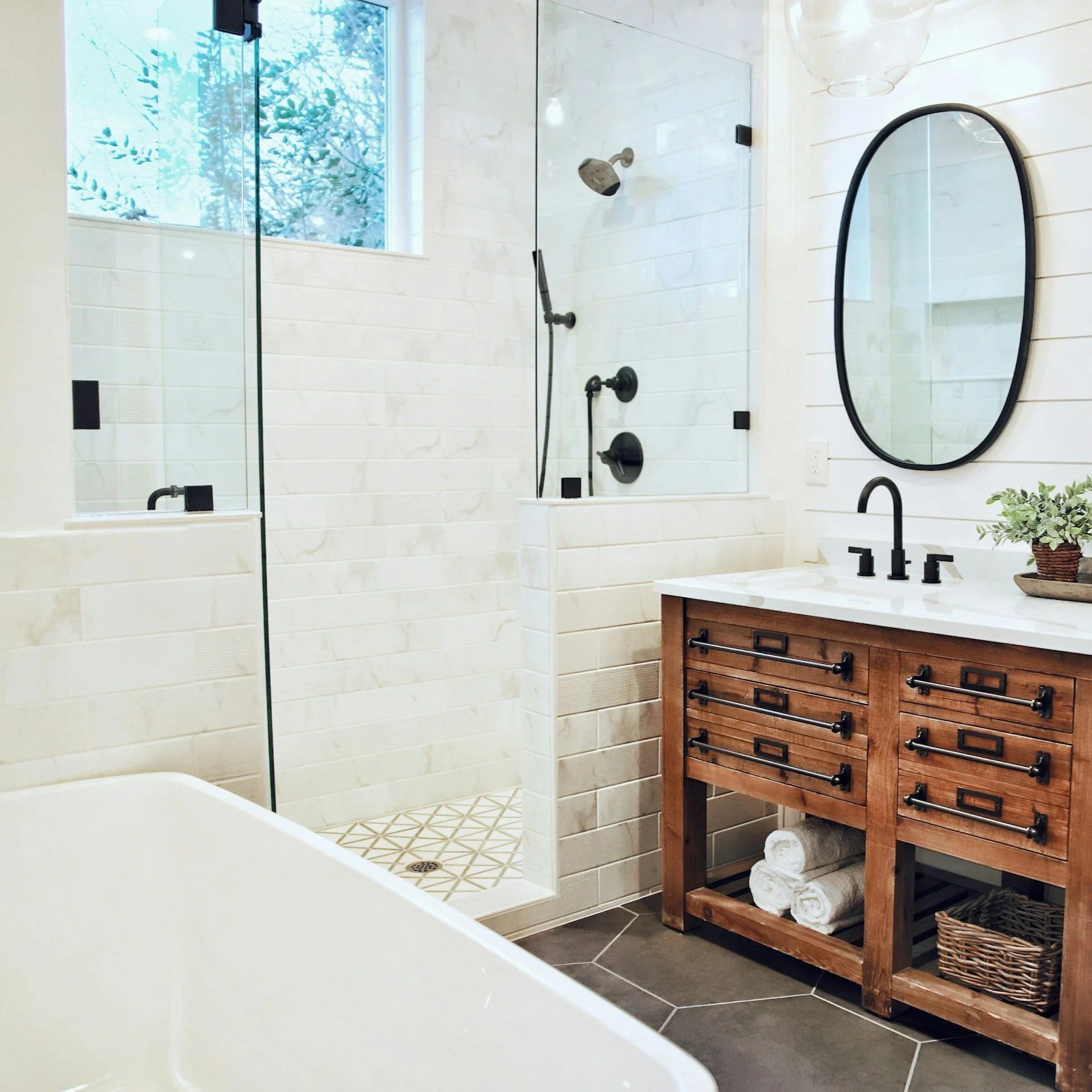
Bathroom remodels are among the most common and rewarding home upgrade projects, but they’re also some of the most complex plumbing undertakings. Bathrooms have multiple water supply points (sinks, showers, tubs, toilets) and drains that must tie into existing lines with proper venting and maintenance access. Because bathrooms are typically enclosed spaces, leaks that occur behind walls or under floors often go unnoticed until extensive damage has already occurred.
One key consideration in bathroom remodels is fixture placement vs. existing plumbing. Moving a toilet or shower location, even a few feet, typically means rerouting drain lines — not a simple task unless you plan for it. Similarly, updating to a larger or deeper soaking tub may require a bigger drain and stronger supply lines. Showers with multiple heads, body sprays, or steam options require a sufficient hot water supply and may necessitate an upgraded water heater or dedicated lines.
Another important area is ventilation and moisture control. Proper bathroom ventilation prevents excessive humidity, which contributes to mold, mildew, and even wood rot. While ventilation isn’t directly plumbing, it works hand-in-hand with water usage patterns in bathrooms. Remodels that improve airflow and reduce moisture also protect your plumbing fixtures and finishes.
Floor slopes and access panels deserve attention, too. Floor drains in bathrooms act as safety nets in case of overflows, condensation, or leaks from appliances like washing machines in combined spaces. Ensuring these drains are placed correctly and tied into proper waste lines gives you an extra layer of protection.
Kitchen Plumbing Remodels and Repairs
Kitchen remodels center around sinks, dishwashers, refrigerators with ice makers, and sometimes pot fillers. Each of these components affects water supply and drainage in unique ways. The kitchen sink is one of the busiest fixtures in any home, expected to handle plates, cookware, food scraps, and large volumes of water daily. Upgrading to a deeper sink or adding a disposal requires careful planning of drain slopes, venting, and trap placement to avoid clogs and odors.
Dishwashers add complexity because they need both a dedicated water supply and an appropriate drain connection — typically connected to the sink’s drain line via a high loop or air gap to prevent backflow. These connections must comply with code and leave room for maintenance without having to disassemble cabinetry.
Refrigerators with ice makers require a dedicated supply line capable of delivering safe water without interfering with other kitchen water demands. Running this line behind walls or under floors must be done with materials that meet code and avoid thermal stress.
One of the most overlooked aspects of kitchen plumbing remodels is venting. Drains that are reconfigured without proper venting often gurgle or drain slowly. Because kitchen fixtures handle solids and greases, proper venting and appropriate drain size prevent headaches later on.
Structural and Safety Issues Tied to Plumbing Repairs
Plumbing remodels often intersect with your home’s structure. Pipes hidden under concrete slabs, inside walls, or above ceilings require careful handling to prevent damage to framing, electrical wiring, and insulation. Breaking into a slab to reroute drains is a much bigger job than swapping fixtures and requires planning to avoid foundation issues.
Safety concerns go beyond structural integrity. Plumbing systems tied into gas lines — such as water heaters or gas fireplaces near bathrooms or kitchens — must be handled with specific expertise. Gas lines require proper sealing, pressure testing, and combustion air management to avoid leaks that can lead to fire or carbon monoxide hazards.
Another critical safety consideration is backflow prevention. When water pressure fluctuates, contaminated water can flow back into your potable water supply if backflow preventers aren’t installed where needed. Remodeling projects that involve irrigation, outdoor fixtures, laundry, or utility sinks need backflow prevention devices installed correctly.
Cost, Timeline, and Permits
Most homeowners want to understand how much plumbing remodels and repairs cost, how long they take, and whether permits are necessary. Costs vary widely based on scope: a simple faucet replacement might be inexpensive, while relocating fixtures, upgrading water heaters, or rerouting drains can be significant investments. Plumbing costs include materials, labor, access work (such as cutting into walls or floors), and finishing work after plumbing is completed.
Timelines also vary. Fixture swaps can occur in a few hours, but full bathroom or kitchen plumbing remodels often take days to weeks, especially if inspections, permits, and structural changes are involved. Permit requirements depend on local codes and the extent of the work. Most jurisdictions require permits for drain relocations, new lines, fixture moves, or work that impacts water supply and waste systems. Pulling a permit ensures that repairs and remodels are inspected for safety and code compliance — protecting you from future liabilities, especially if you sell your home.
How to Work with a Licensed Plumber
Because remodels and repairs intersect with code, structure, and long-term performance, a licensed plumber is one of your best allies. A good plumber assesses your current system, anticipates future needs, and offers solutions that balance performance and budget. Before signing a contract, make sure your plumber explains the scope, materials, access requirements, timelines, and whether permits are needed.
Communication matters. Projects go more smoothly when you and your plumber agree on goals, priorities, and fallback plans if unexpected issues arise once walls are opened or floors are accessed.
After the Remodel — Maintenance and Care
Once your remodel or repair is complete, maintaining your updated plumbing ensures long-lasting performance. Simple habits — such as avoiding harsh chemical drain cleaners, cleaning aerators periodically, checking for moisture around cabinets, and monitoring water pressure — keep your system healthy. Regular inspections by a professional every few years catch small issues before they become costly problems.
FAQ: Plumbing Remodels and Repairs
When should I call a plumber for a remodel?
Any time your project involves moving drains, water supply lines, vents, or installing new fixtures, professional plumbing expertise ensures performance, safety, and code compliance.
Do plumbing remodels require permits?
Most major plumbing changes — including relocating fixtures, rerouting drain or supply lines, and adding new bathrooms or kitchens — require permits and inspections to ensure the work meets code.
Can I replace a fixture myself during a remodel?
Simple fixture swaps may be DIY-friendly, but anything involving hidden connections, drains, vents, or water supply lines risks improper installation without professional knowledge.
Why does proper venting matter in remodels?
Venting prevents sewer gas from entering your home and keeps drains flowing smoothly. Remodeling without correct venting often leads to gurgling drains, slow drainage, and odors.
What’s the biggest plumbing mistake people make during remodels?
The most common mistake is underestimating the complexity of hidden drainage and supply lines, leading to improper slope, poor venting, and rushed connections that cause leaks or performance issues later.
If you need a licensed, bonded, insured plumber for your Phoenix area leak or your next plumbing project, call MNS Plumbing today.
