
Plumbing and Your Pet: What Every Pet Owner Should Know to Protect Plumbing and Keep Pets Safet
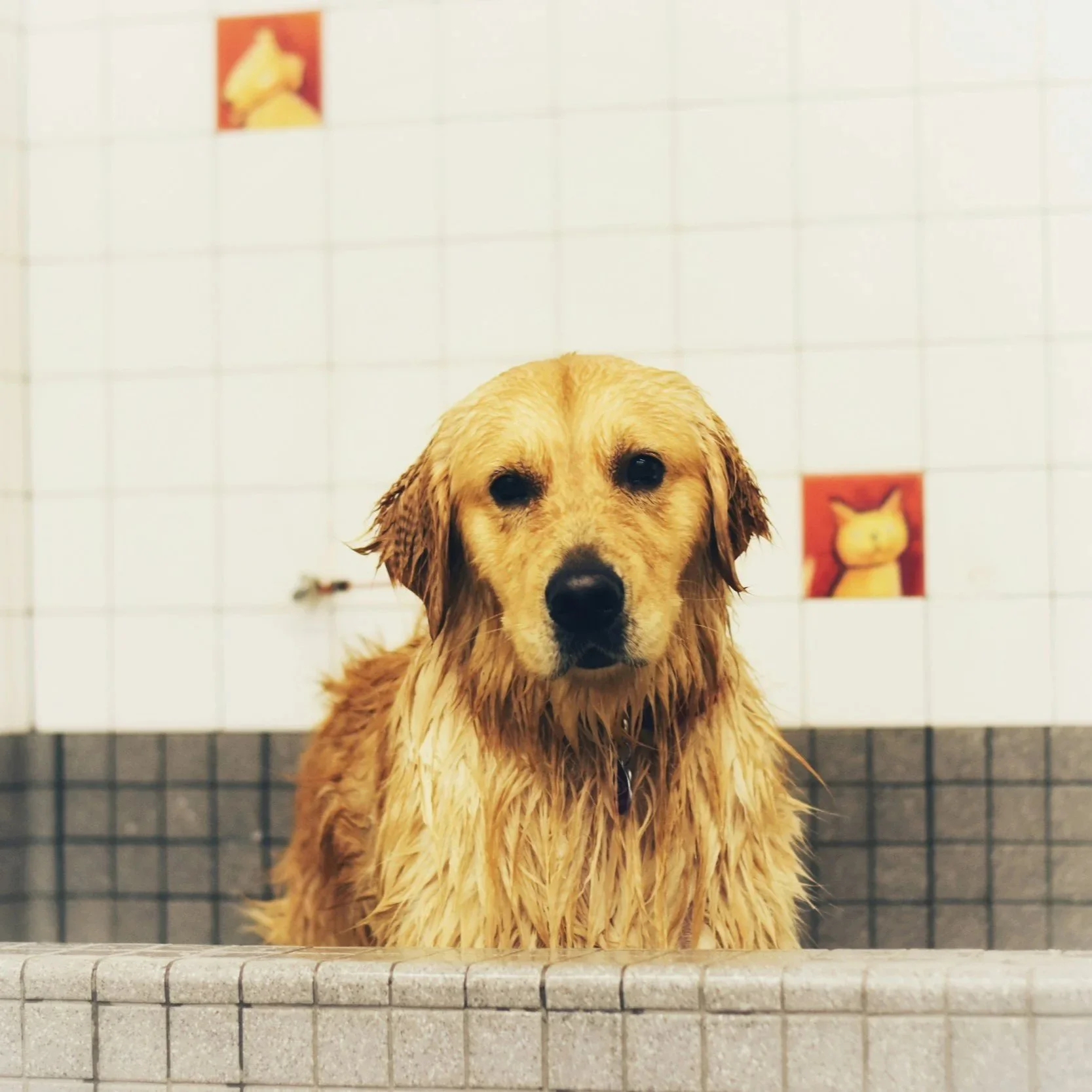
With a few proactive habits and simple upgrades, you can dramatically reduce the risks pets pose to plumbing while improving water use and home cleanliness.
Pets bring joy, companionship, and energy to your home — but they can also unintentionally stress your plumbing system and create hygiene challenges if care isn’t taken. Water bowls, shedding fur, bathing routines, accidental food spills, and even outdoor watering habits all intersect with your home’s plumbing in surprising ways. Understanding how pets influence plumbing performance helps you prevent clogs, protect pipes and drains, and keep your four-legged family members safe. The good news is that with a few proactive habits and simple upgrades, you can dramatically reduce the risks pets pose to plumbing while improving water use and home cleanliness.
No matter the size or species of your pet — dog, cat, rabbit, or even large birds — their daily routines inevitably bring water, food waste, fur, and debris into close contact with your sinks, tubs, drains, and yard drains. These materials interact with plumbing systems differently from human use, often in ways that create buildup, attract pests, or stress fixtures. Pet fur may seem insignificant on its own, but when combined with soap scum and oils, it forms a dense mat inside drainpipes that traps food particles and encourages clogs. Pet food bits and treats thrown into sinks or garbage disposals can also create stubborn clogs that require professional attention. Recognizing everyday ways pets impact plumbing gives you the insight to prevent problems before they require costly repairs.
How Pets Contribute to Plumbing Buildup
Pets shed — it’s part of caring for them. But that fur doesn’t disappear into thin air; it often ends up down drains and in plumbing systems. When you bathe a pet in a shower, tub, or laundry sink, hair sheds in large quantities and immediately enters the drain. Because hair is lightweight and stringy, it gets caught in drain curves and combines with soap residue, creating dense obstructions that restrict water flow. These obstructions worsen over time and sometimes require mechanical cleaning to fully clear.
Kitchen sinks aren’t immune either. Pet food spills during clean-up, kibble rinsed off plates, and scraps dropped while refilling bowls often find their way down drains. While garbage disposals seem like natural tools for handling food scraps, they aren’t designed to process all types of pet waste. Foods high in fat, bone fragments, grains that expand when wet, and sticky mixtures all challenge disposal blades and can wrap around internal components, reducing performance, generating noise, and eventually causing clogs.
Outdoor features such as patio drains, outdoor showers, or wash stations used to clean muddy paws or pet gear also collect fur, soil, grass clippings, and debris that eventually wash into yard drains or sewer lines. Because outdoor drains are often out of sight, pets can amplify existing issues without you noticing until water starts backing up or draining slowly.
Bathing Pets Without Stressing Your Plumbing
Bath time is one of the most common household activities where pets and plumbing interact — and it’s one of the easiest situations to manage with better planning. When you bathe a pet in the tub or shower, fur loosens and floats in the water before going down the drain with the rinse. To reduce hair entering the drain, use a drain hair catcher or screen specifically designed for showers and tubs. These inexpensive accessories trap loose hairs before they enter plumbing, keeping them out of the drain entirely.
Another helpful practice is to comb or brush the pet thoroughly before bathing. Removing loose fur from the coat beforehand significantly reduces the amount that ends up in the drain. After bathing, don’t immediately rinse; first, gather any hair floating in the water with a skimming net or towel. These simple steps, performed consistently, greatly reduce the potential for drain buildup.
If your pet is large and sheds heavily, consider bathing them outside with a hose attachment on a deck or patio. This method keeps fur out of indoor drains and lets water and fur flow into ground cover or a mulched area, where they disperse harmlessly with rain and sun exposure. Just avoid directing wash water toward foundation areas or into storm inlets near the house.
Feeding Habits and Kitchen Plumbing
Meal times also affect plumbing when pets are involved. Many pet owners clean food bowls in the kitchen sink, which makes sense from a convenience perspective. But frequent rinsing of bowls, especially with leftover food particles, introduces fur, food chunks, grease, and oils into the drain. When mixed with soap and warm water, these materials cling to pipe walls and settle in drain curves, creating sticky, hard-to-remove buildup.
Instead of rinsing bowls directly into the sink, scrape leftovers into a trash bin or compost container. If rinsing is necessary before washing, do it over a countertop strainer or basin that catches solids, which you can then dispose of properly. If you use a garbage disposal, reserve it for small, soft food scraps, and never dispose of bones, fatty pet food, rice, or kibble — these expand when wet and form dense clogs deep in the line.
For families with multiple pets or frequent feeding routines, scheduling a quick wipe down of bowls before bringing them to the sink helps reduce the volume of debris entering the plumbing system. It’s a small habit that prevents long-term buildup.
Yard and Outdoor Plumbing Considerations
Pets spend a lot of time outdoors — playing, digging, splashing in water dishes, or cooling off in irrigation or rainwater. Outdoor drains and drainage paths often see mud, sand, grass clippings, and pet fur washing off paws and fur. Left unchecked, this debris collects around catch basins, patio drains, and low spots in the yard, leading to slow drainage and standing water. Standing water attracts not only insects but also algae and moss that can further impede flow.
Outdoor plumbing upgrades can help manage this. Installing larger-mesh drain covers, trench drains along patio edges, and proper grading away from the house keeps water moving away from structures and prevents soil erosion. Regularly clearing out debris from outdoor drains — especially after rain or heavy pet activity — maintains flow and reduces the likelihood of backups.
Another consideration is outdoor faucets used for filling water bowls or hose rinsing. Frequent use in a single location can lead to oversaturation of soil and groundwater around slab edges, increasing the risk of foundation moisture issues. Moving the filling area to a gravel bed or installing a dedicated pet wash station with proper drainage directs water where it won’t harm structures.
How Pets Affect Sewage and Drain Lines
Drain and sewer lines are designed for human waste and biodegradable toilet paper only. Flushing pet waste, kitty litter, paper towels, or cleansing wipes — even those labeled “flushable” — introduces materials that don’t dissolve and easily lead to clogs. These obstructions can occur in the home’s lateral drains or further down the sewer main, resulting in backups that may require professional sewer cleaning or even excavation.
For outdoor spaces with dog runs or pet areas, be mindful of wash and runoff. Pet waste should be scooped and disposed of properly rather than hosed into storm drains or yard drains. Allowing pet waste to wash into street gutters or drainage paths contributes not only to plumbing issues but also to environmental contamination, affecting local waterways and wildlife.
Installing a pet-specific flush station with a drain that leads to a sanitary sewer — not a storm sewer — ensures safe disposal of wash water. These systems should include proper filters and traps to catch fur and solids before water enters the drain.
Preventive Maintenance and When to Call a Professional
Prevention is always more cost-effective than costly repairs. Simple maintenance habits — like using drain covers, pre-cleaning bowls, and brushing pets before bathing — keep fur and debris out of plumbing. Running a monthly rinse of hot water down drains helps flush minor buildup before it becomes a visible clog.
Despite best efforts, sometimes professional intervention is needed. If drains slow, gurgle, or emit foul odors despite good habits, there may be buildup or partial clogs deep in the line that require a plumber’s tools to clear. Persistent backups during pet bathing or after yard runoff are signs of deeper issues in sewer or drain lines that shouldn’t be ignored.
A licensed plumber can perform camera inspections to diagnose hidden blockages, recommend appropriate drain cleaning, and suggest upgrades like larger drains, more robust traps, or dedicated routes for outdoor wash stations. They can also help with water pressure issues that may surface when outdoor fixtures are used heavily by hose or sprinkler attachments for pet care.
Summing Up: Harmony Between Pet Care and Plumbing
Pets enrich our lives, and with a little planning, they don’t need to complicate your plumbing. Recognizing how pet activities impact sinks, drains, sewer lines, and outdoor features helps you take deliberate steps to protect your home. From mindful cleaning habits and outdoor drainage planning to smart fixture upgrades and professional maintenance, there’s a wide range of actions that keep plumbing systems working smoothly without limiting your ability to care for your pets.
Addressing these issues proactively saves water, prevents costly clogs and repairs, reduces the risk of water damage, and creates a home that’s both pet-friendly and plumbing-friendly.
FAQ: Plumbing & Pets — What You Should Know
Can pet fur really clog my drains?
Yes. Pet fur combines with soap, oils, and debris inside drains, where it tangles and lodges in traps and curves, forming dense clogs over time.
Is it okay to rinse pet food bowls in the sink?
It’s better to scrape solids into the trash first. Rinsing large food particles or fatty remnants directly down the sink increases the risk of buildup and clogs.
Why do my drains smell after bathing my pet?
Trapped fur and organic residue inside the drain create biofilm and odors. Using a hair catcher and flushing hot water helps reduce smells.
Can outdoor drainage be affected by pets?
Yes. Mud, fur, grass clippings, and runoff from pet wash stations can clog outdoor drains and lead to standing water if not managed with proper covers and grading.
When should I call a plumber about pet-related plumbing issues?
If drains slow or back up repeatedly despite preventive care, or if you notice odors, gurgling, or water pressure changes, a professional plumber can diagnose and clear deeper blockages.
If you need a licensed, bonded, insured plumber for your Phoenix area leak or your next plumbing project, call MNS Plumbing today.
