A Simple Guide to Professional Residential and Commercial Drain Cleaning Service
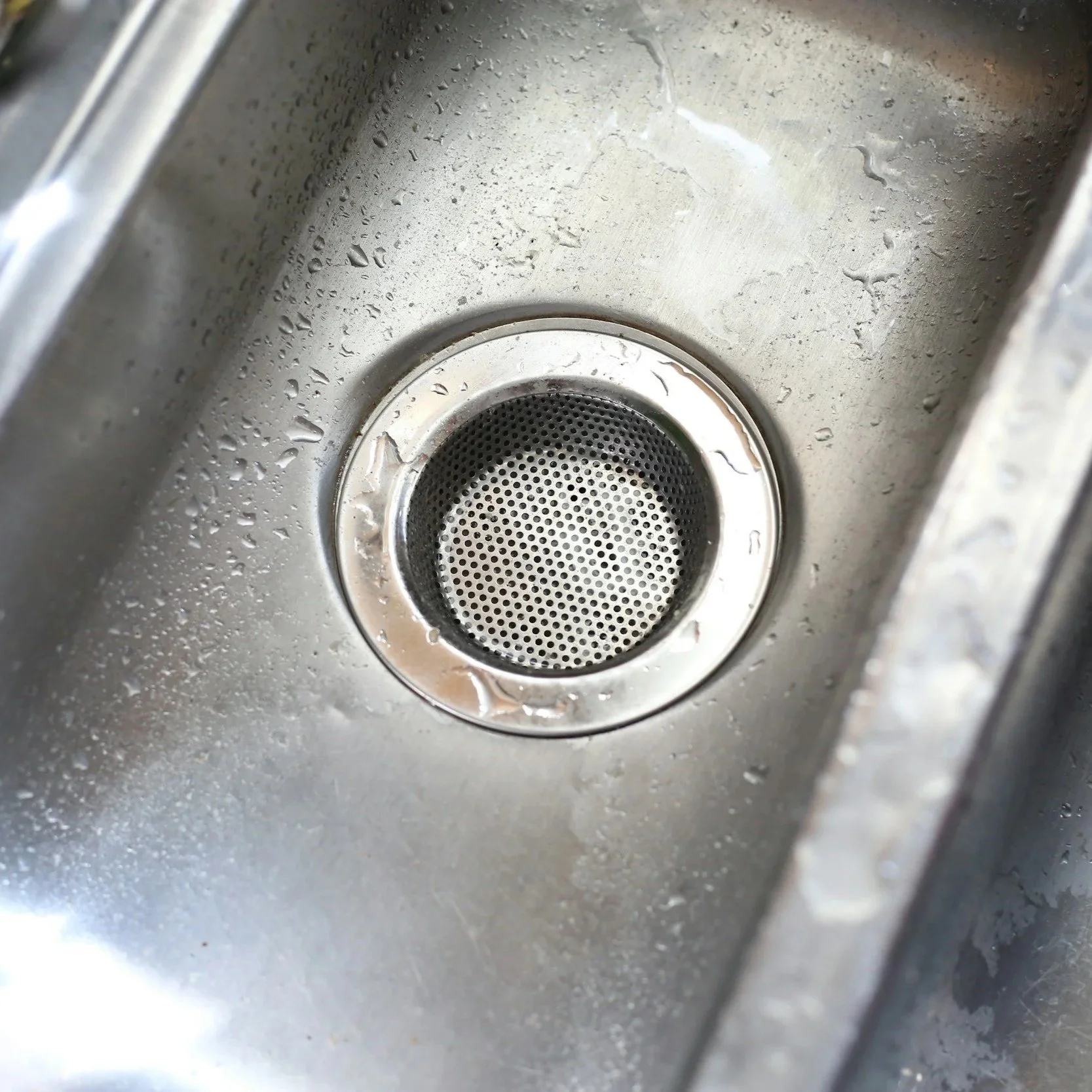
While many people reach for chemical drain cleaners or a plunger first, professional drain cleaning offers a far more effective, long-lasting solution.
Clogged drains are one of the most frustrating plumbing problems homeowners and business owners face. Slow-moving water in a sink, shower, or floor drain can disrupt routines, foul odors can drift through your property, and recurring backups can signal deeper issues. While many people reach for chemical drain cleaners or a plunger first, professional drain cleaning offers a far more effective, long-lasting solution.
Professional residential and commercial drain cleaning services don’t just clear visible blockages — they get to the root of the problem using specialized tools, advanced techniques, and expert diagnosis. In this guide, you’ll learn what professional drain cleaning really is, why it matters, common causes of clogged drains, how cleaning services work, what sets commercial cleaning apart, and how you can keep your drains flowing well between professional visits.
What Professional Drain Cleaning Really Involves
When most people think about drain cleaning, they imagine plungers, augers, or store-bought chemical solutions. Professional drain cleaning goes well beyond these basic approaches. It includes:
• Diagnostic inspection to identify the location and cause of the clog
• Use of specialized tools designed to reach deeper blockages
• Removal of debris, buildup, and roots without damaging pipes
• System evaluation afterward to catch hidden issues
Professional plumbers can access and clean drains far beyond what a homeowner's tool can reach. They use flexible cable machines, drain augers, high-pressure hydro jetting, and inspection cameras to remove scale, grease, roots, foreign objects, and other blockages all the way through the system.
Why Proper Drain Cleaning Matters
Clogs don’t just slow water flow — they allow debris to accumulate deeper in your plumbing system, increasing pressure and making blockages harder to clear over time. Left unresolved, these issues can lead to:
• Recurring backups in sinks, toilets, or floor drains
• Water damage to cabinets, floors, and walls
• Foul sewer odors circulating through your property
• Pipe corrosion and deterioration from trapped waste
• Health hazards from standing water and bacterial growth
Rather than treating only the symptoms, professional drain cleaning targets the causes and helps protect your plumbing system from costly future problems.
Common Causes of Drain Clogs
Understanding what leads to clogs helps homeowners and business owners avoid them. Some of the most common causes include:
Kitchen Grease and Food Buildup
Grease poured down kitchen sinks may start as liquid but quickly cools and solidifies inside pipes, trapping food particles. Over time, a thick, greasy coating builds up and slows drainage.
Hair, Soap, and Personal Care Products
In bathroom drains, hair combines with soap residue, skin cells, and other material to form sticky clogs. Shower drains and bathroom sink drains are especially vulnerable.
Foreign Objects
Items flushed down toilets that shouldn’t be — such as wipes, paper towels, cotton swabs, and feminine products — can get trapped at bends in the pipe and create stubborn blockages.
Tree Root Intrusion
Tree roots naturally seek moisture. If sewer lines have cracks or loose joints, roots can penetrate and grow inside the line, catching debris and eventually blocking flow.
Mineral Buildup
Hard water leaves mineral deposits inside pipes over time, narrowing the available space for water and waste to travel. This buildup increases the risk of clogs.
Aging and Corroded Pipes
Older plumbing systems may have partially collapsed or corroded sections that trap debris more easily than smooth, new pipe interiors.
Residential vs. Commercial Drain Cleaning: What’s the Difference?
While the basic goal — removing clogs and restoring flow — is similar, commercial drain cleaning is often more complex due to the scale and intensity of usage.
Higher Volume and Traffic
Commercial facilities like restaurants, office buildings, and multi-unit residential properties experience heavier drain use. Kitchen and restroom drains may carry more waste, grease, and debris than a typical home system.
Grease Control and Compliance
In settings such as restaurants, grease buildup is a major concern. Health codes often require grease traps, regular cleaning schedules, and documented maintenance to prevent blockages and sanitary violations.
Larger Pipes and More Complex Systems
Commercial plumbing systems may include larger drain lines, multiple connections, and shared sewer exits. These require more powerful cleaning equipment and a thorough understanding of how system design affects flow.
More Frequent Service Needs
Because of higher usage and stricter compliance requirements, commercial properties often need drain cleaning more frequently than residential properties to keep systems working properly.
How Professional Drain Cleaning Works
Professional drain cleaning generally follows a systematic process designed for accuracy and efficiency:
Step 1: Inspection and Diagnosis
A trained technician assesses the drain problem and determines where the clog is located. This may include looking at fixture history, symptoms, and, in many cases, using a drain camera inspection to view the inside of the pipe.
Step 2: Choosing the Right Tool
Depending on the clog’s severity and location, the plumber selects the appropriate method. For lighter buildup near the surface, a cable machine or auger may work well. For deep or heavy clogs, hydro jetting is often the most effective.
Step 3: Removing the Blockage
The chosen tool is inserted into the pipe and used to break up, cut through, or blast away debris, grease, roots, and buildup. Hydro jetting uses highly pressurized water to thoroughly clean pipe walls.
Step 4: Post-Cleaning Inspection
After clearing the clog, the technician may perform a follow-up inspection to ensure the pipe is clear and flowing properly. This step confirms that the issue is resolved and checks for signs of further problems.
Why Hydro Jetting Is So Effective
Hydro jetting is one of the most powerful drain cleaning methods available. It blasts high-pressure water through the pipe, removing:
• Grease and fat buildup
• Soap scum and mineral deposits
• Tree roots and foreign debris
• Sludge and organic matter
Because hydro jetting cleans the entire circumference of the pipe, not just the clog point, it reduces the risk of future blockages and improves overall drainage efficiency.
Signs You Need Professional Drain Cleaning
It’s not always obvious when a drain needs professional service. Common warning signs include:
• Slow-draining sinks or tubs
• Recurring clogs in multiple fixtures
• Foul odors from drains
• Gurgling sounds in drains or toilets
• Water backing up into other fixtures
• Toilets that bubble when other drains run
If you notice any of these signs, it’s likely that debris or buildup is deeper in the line and requires professional cleaning.
Tips to Prevent Future Drain Problems
While professional cleaning solves current issues, good habits help keep your drains flowing longer between visits.
Use Drain Screens
Place screens over sink and shower drains to catch hair, food particles, and debris before they enter your plumbing.
Dispose of Grease Properly
Never pour grease, oil, or fatty food scraps down the sink. Instead, pour grease into a disposable container and throw it in the trash.
Flush Drains With Hot Water
Pouring hot water down drains periodically helps dissolve grease and reduce buildup along pipe walls.
Avoid Flushing Non-Flushable Items
Only human waste and toilet paper should go down the toilet. Items like wipes, paper towels, and feminine products can cause clogs in sewer lines.
Schedule Routine Professional Maintenance
For both homes and businesses, regular professional drain cleaning prevents buildup from forming excessive blockages. A routine schedule keeps systems healthy and reduces emergency repairs.
How Drain Cleaning Benefits Your Property
Investing in professional drain cleaning provides several advantages:
• Improved flow and drainage throughout your property
• Reduced risk of backups and overflows
• Elimination of foul odors
• Protection for plumbing fixtures and pipes
• Early detection of underlying issues like pipe damage or root intrusion
• Longer lifespan for your plumbing system
Whether you own a home or run a business, these benefits help protect your investment and maintain comfort and safety.
Choosing the Right Drain Cleaning Professional
Not all drain cleaning services offer the same quality. When selecting a professional, consider:
• Experience with both residential and commercial systems
• Advanced tools, including hydro jetting and camera inspection
• Clear pricing and transparent communication
• Licensed and insured technicians
• Positive reviews and reliable service history
A reputable professional provides lasting solutions rather than quick fixes.
Drain Problems That Demand Professional Attention
What’s the difference between residential and commercial drain cleaning?
Commercial drain systems handle heavier usage and larger volumes of debris than residential plumbing. Because of this increased demand, commercial drains often require more advanced equipment and more frequent cleanings to stay clear and functional.
How often should professional drain cleaning be scheduled?
Most homes benefit from professional drain cleaning about once a year. Commercial properties often need service more frequently, depending on daily usage, grease buildup, and the type of business operating on the premises.
Is hydro jetting safe for all drain pipes?
When handled by trained professionals, hydro jetting is safe for modern plumbing materials and extremely effective at clearing grease, scale, and debris without harming the pipes.
Can professional drain cleaning prevent future clogs?
Yes. Professional drain cleaning removes buildup deep inside the system, not just surface blockages. This significantly lowers the chances of recurring clogs and improves overall drain performance.
How do I know if a clog is too big for DIY methods?
If clogs continue after using a plunger, if multiple fixtures drain slowly, or if you notice foul odors or gurgling sounds, the blockage is likely beyond DIY solutions and requires professional attention.
MNS Plumbing provides prompt, efficient, and reliable drain cleaning, repiping, drain inspection, and video sewer line inspection services. Call 602-362-4524 to learn more.
