
The Role of Excavation in Solving Deep Sewer System Failures
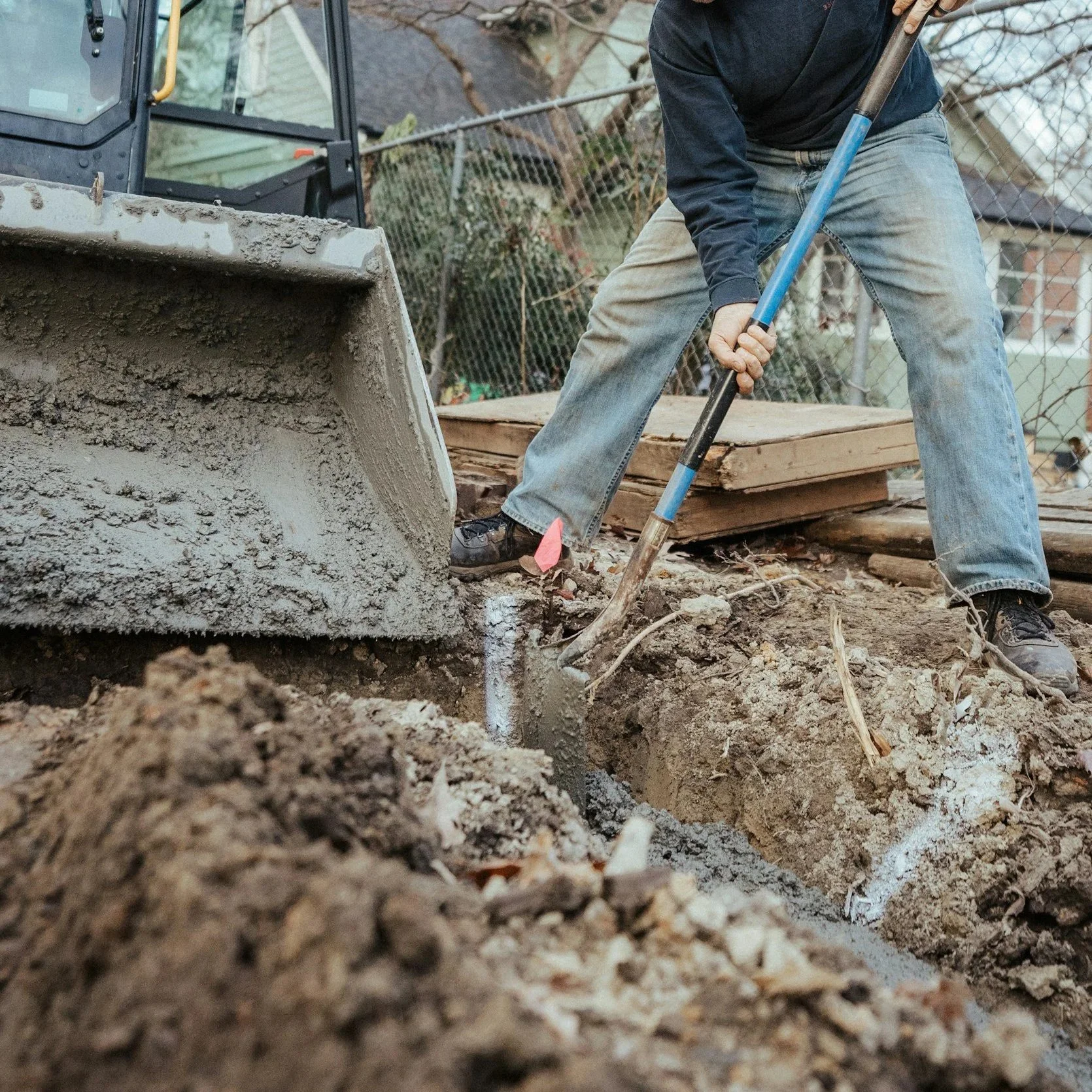
Sometimes, the only way forward is down.
Sewer lines do their job without a fuss, moving wastewater silently out of sight and out of mind. When everything is working, the system hums along in quiet harmony beneath the surface. But when things go wrong—really wrong—the solutions aren’t always as simple as a quick rod or a chemical drain cleaner. Sometimes, the only way forward is down.
Sewer excavation isn’t anyone’s idea of a good time, but it plays a critical role in fixing the problems that lie deep beneath the ground. It’s not about digging for fun—it’s about reaching places where other tools can’t, solving structural failures, and rebuilding systems that can’t keep up with today’s demands.
When The Problem Runs Deep
Some sewer line issues live right under the surface. A little buildup, a soft clog, or a minor tree root intrusion can usually be handled with sewer rodding. But when a line collapses, shifts, or breaks entirely, no amount of pressure or twisting rods will bring it back. Those are the moments when excavation becomes the main event.
Collapsed lines often occur in older homes where original clay or cast iron piping has cracked or disintegrated over time. Soil movement, heavy vehicle traffic, or nearby construction can accelerate the decline. Once the pipe is broken or sagging, water and waste can back up into basements or bubble out onto lawns.
Sewer Excavation Finds The Truth
Clogs don’t always cause recurring sewer problems. Persistent backups often point to something more serious lurking beneath the surface. A camera inspection offers a sneak peek, but sometimes there’s no substitute for getting in there and laying eyes on the issue firsthand.
Excavation peels back the layers, giving professionals access to the full picture—literally. It allows for the complete removal of damaged sections, proper alignment of new piping, and a chance to update the system with materials built to last. Instead of relying on guesswork, excavation brings clarity to the situation.
A Trench Might Be The Best Medicine
There’s no sugarcoating the fact that excavation is invasive. Lawns get disrupted, driveways might be lifted, and a quiet corner of the yard can turn into a construction zone. But that short-term chaos often prevents long-term catastrophe. A precise trench that targets the damaged section of pipe can mean the difference between ongoing repairs and a single, permanent fix.
Today’s excavation techniques aim to minimize disruption. With modern tools, experienced crews dig smarter, not bigger. The goal is simple—access what needs attention, repair it properly, and restore the space as smoothly as possible.
Sewer Ejector Pumps Deserve Support, Too
For homes with basement bathrooms or laundry rooms below the main sewer line, sewer ejector pumps step in to push waste upward and into the larger system. These pumps are small but mighty, and they rely on healthy main lines to function properly.
When deep sewer issues create resistance, the ejector pump takes the hit. It works harder, runs longer, and eventually throws in the towel. Excavation helps relieve that pressure by restoring the system’s natural flow. When the main line is repaired, the ejector pump gets to do its job without shouldering the entire load.
Sewer Repair Isn’t Always About The Pipes
Sometimes the pipe isn’t the problem. Groundwater can seep in through cracks, shifting soil can pull lines apart, or landscaping mistakes can bury vents and damage access points. Excavation uncovers these hidden threats, allowing for more than just pipe repair. It opens the door to stabilizing the entire system from the ground up.
By regrading the area, repairing nearby utility lines, or reinforcing the soil, crews help prevent the same problem from returning in a different guise. A proper excavation project doesn’t just patch the wound—it treats the cause.
Rodding First, Digging Second
In many cases, sewer rodding is the first response. It’s fast, effective, and great for clearing out blockages before they turn serious. But when rodding reveals a deeper problem—or can’t reach the issue at all—excavation becomes the necessary next step.
Together, these two services form a complete toolkit. Rodding keeps things flowing day to day. Excavation steps in when the damage demands more than a surface solution. It’s not about choosing one over the other—it’s about knowing when it’s time to dig a little deeper.
Restoring Confidence Below The Surface
Something is reassuring about knowing the infrastructure beneath your home is sound. Sewer excavation brings long-term peace of mind by addressing the problems most people never see. It transforms a hidden failure into a clean slate and gives the entire system a chance to work the way it should—quietly, efficiently, and without surprise.
When sewer repair calls for more than a surface fix, excavation steps in. It reaches into the ground, clears the chaos, and rebuilds the backbone of the home’s drainage system. And once the pipes are flowing freely again, life above ground feels just a little more stable.
