
What Slow Drains Reveal About Deeper Plumbing Issues
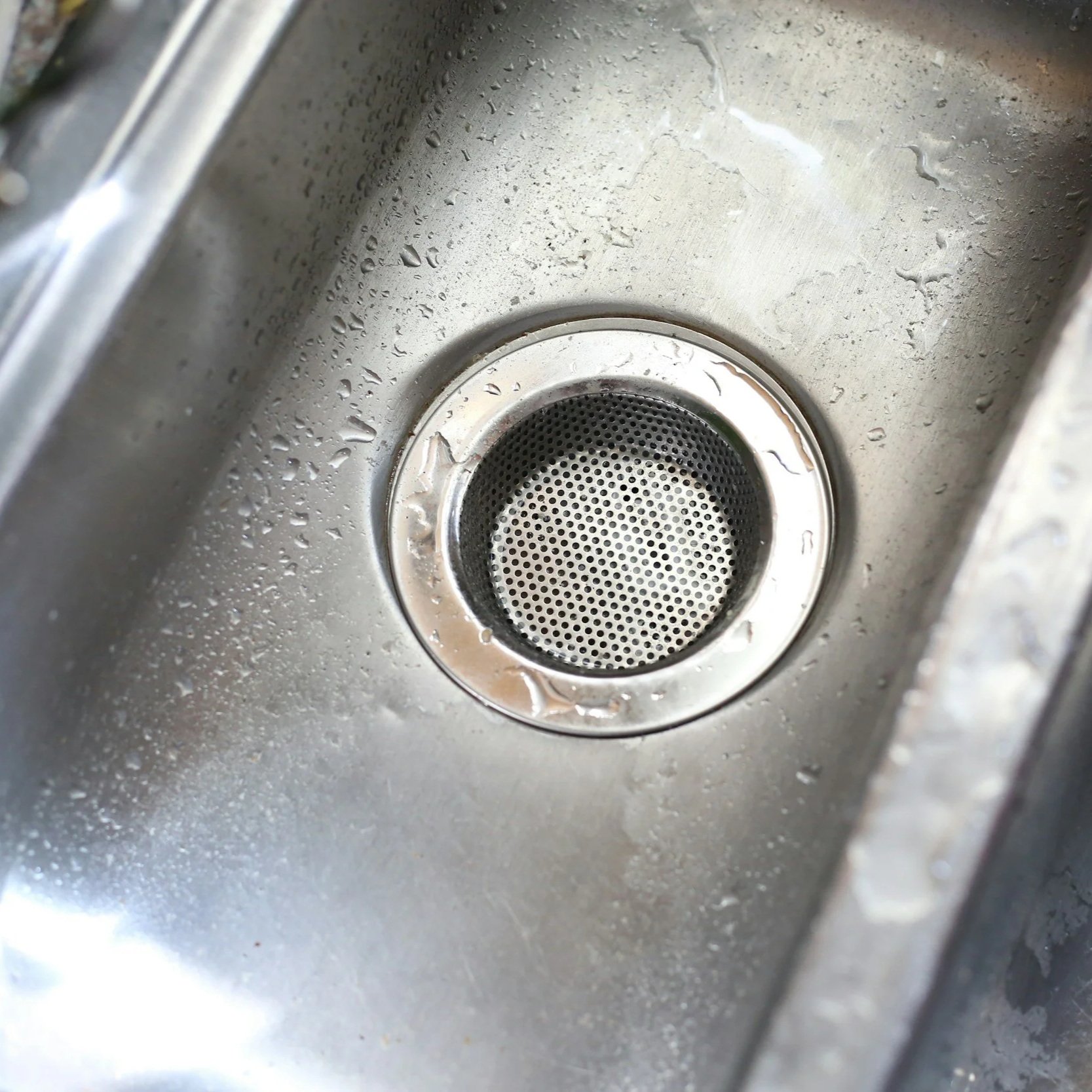
It’s easy to brush it off as buildup or old pipes, but slow drains are often a hint that deeper plumbing problems are brewing out of sight.
Slow drains have a way of making themselves known just when everything else is running smoothly. That cheerful morning routine becomes a little less cheerful when water starts pooling around your ankles. A kitchen sink that once drained with gusto now swirls and sulks. It’s easy to brush it off as buildup or old pipes, but slow drains are often a hint that deeper plumbing problems are brewing out of sight.
The Buildup Begins Silently
Drains don’t clog overnight. Grease, hair, food particles, soap scum, and mineral deposits gradually accumulate along the interior of pipes. The buildup narrows the space available for water to flow, creating drag and reducing speed. It’s like turning a smooth highway into a bumpy side street—the water takes longer to pass through.
While a single slow drain might suggest a localized clog, multiple sluggish fixtures signal a more widespread issue. It could mean a partial blockage in the main line or the start of a sewer line problem. Ignoring those signals doesn’t make them disappear. The buildup continues until water has no choice but to back up and demand attention.
Plumbing Vent Troubles Fly Under The Radar
The unsung heroes of the plumbing system are the vents. They regulate air pressure in the drain lines, allowing water to flow freely without gurgling or hesitation. When a vent gets blocked—by debris, nests, or even ice in colder areas—the whole system starts to behave differently.
Slow drains can sometimes point to venting issues rather than clogs. Air can’t escape properly, so water slows down. Toilets might flush weakly. Sinks might gurgle like they’re having second thoughts. The issue isn’t always in the pipe—it might be above the roofline where no one is looking.
Pipe Damage Deep Below The Surface
Old homes and shifting soil create a playground for pipe damage. Cracks, collapses, and root intrusions don’t announce themselves with a bang. They sneak in slowly, disrupting the flow and catching debris that would otherwise pass without incident.
A slow drain that returns even after cleaning is often a red flag for pipe trouble. Something below ground might be letting roots in or collapsing under the weight of the soil. Once compromised, those pipes become bottlenecks, holding up water and sending back pressure up through the drains.
Warning Signs In Disguise
Slow drains often bring friends. Gurgling sounds, unpleasant odors, bubbling toilets, and recurring clogs tend to tag along when there’s more happening behind the scenes. Each one serves as a breadcrumb leading toward a more serious plumbing issue. Together, they paint a picture of a system that’s not functioning as designed.
What looks like a minor annoyance might actually be the system’s cry for help. Reaching for the plunger again and again is like treating a persistent cough with breath mints. It might mask the problem for a moment, but the real issue isn’t going anywhere.
Sewer Line Struggles Can Lurk Below
The main sewer line plays a big role in how well every drain in the house behaves. When something disrupts its flow, the symptoms trickle back into sinks, tubs, and toilets. Tree roots, grease buildup, or shifting ground can all interfere with the sewer line’s ability to carry wastewater away.
Slow drains throughout the home are often early signs of sewer line trouble. Before water starts bubbling up through the basement floor or spilling out from under the toilet, it whispers its warnings through delayed drainage and unexpected smells. Acting early can prevent a full-blown backup, the kind that requires more than just a mop and bucket.
DIY Fixes Can Only Do So Much
It’s tempting to grab a bottle of drain cleaner and hope for the best, but chemical solutions often do more harm than good. They might punch a hole through the clog, giving temporary relief, but they can also damage pipes and leave the root problem untouched. The same goes for home remedies involving baking soda and vinegar. While satisfying to watch, they rarely break up anything stubborn enough to affect the whole house.
Professional inspections using camera scopes or hydro-jetting equipment reveal what’s really happening inside the pipes. When slow drains become regular guests, a deeper look can save time, money, and a whole lot of frustration down the line.
Plumbing Health And The Bigger Picture
A well-functioning drainage system moves water efficiently and quietly. When it slows down, something is changing. Whether it’s an aging pipe, an invasive root, or an obstructed vent, the message is clear—something in the system wants attention.
Keeping an eye on how drains behave over time helps catch issues early. A slow drain doesn’t just point to one clogged sink. It might be the start of something affecting the entire system. Responding quickly keeps the plumbing in shape and avoids the dramatic—and costly—exit of a full blockage or backup.
The water heater, whether gas or electric, might get the glory for comfort, but drains carry just as much responsibility. When they begin to stall, the whole system takes a hit. Treating slow drains seriously means keeping everything flowing smoothly, from the tap to the street, without unexpected interruptions.
