Terrible Toilet Troubles: Common Causes, How to Fix Them, and Prevention Tips Every Homeowner Should Know
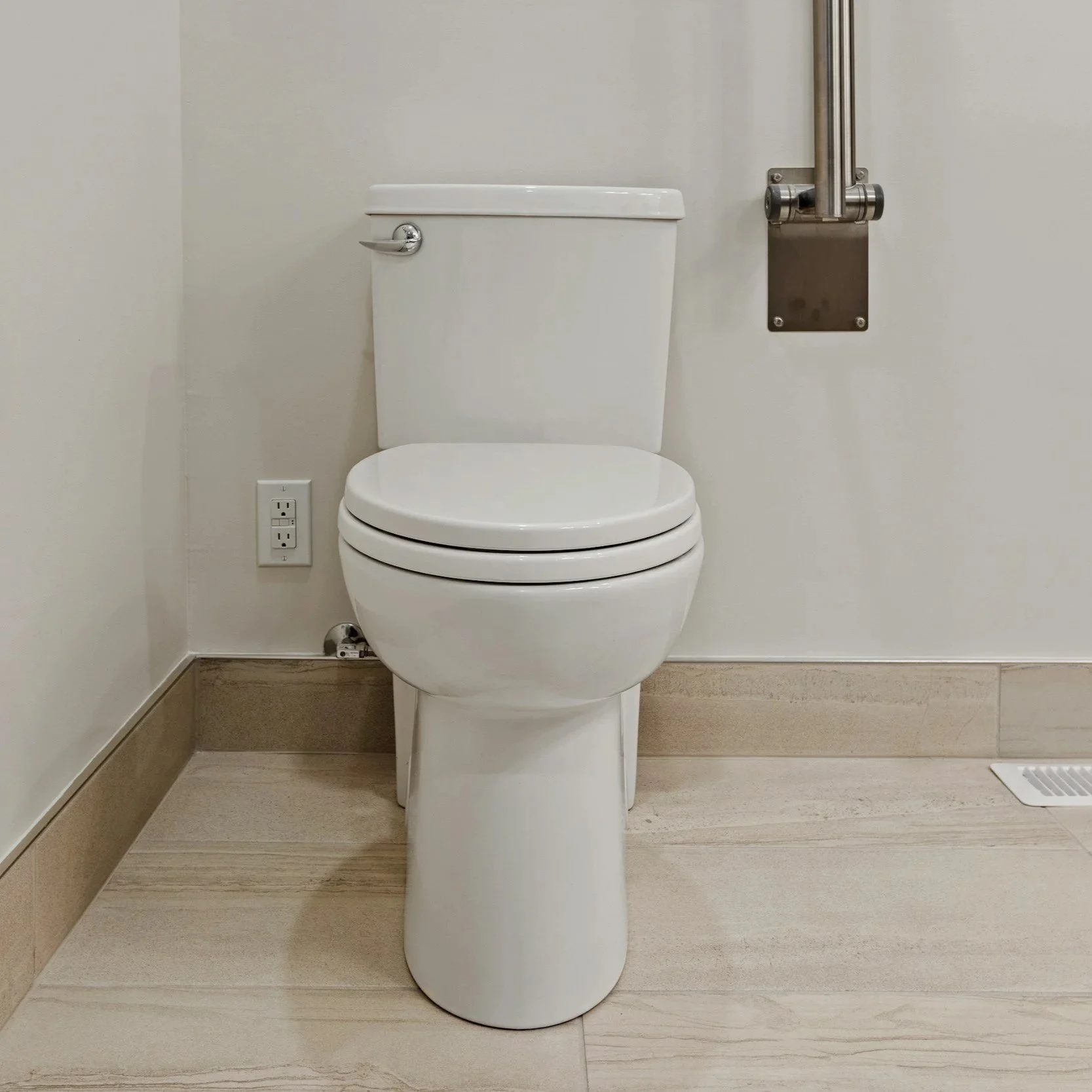
Toilets may appear simple, but they consist of multiple components that are constantly exposed to use, water, and mechanical stress.
Few things disrupt daily life like toilet trouble. Whether your toilet won’t flush, keeps running, or overflows, problems with this essential fixture are inconvenient and often signal that something deeper is going on in your plumbing system. Toilets may appear simple, but they consist of multiple components that are constantly exposed to use, water, and mechanical stress. When any part malfunctions, the result can be recurring issues that are frustrating at best and costly at worst.
In this comprehensive guide, we’ll cover why toilets act up, how to troubleshoot common toilet problems, when to call a professional plumber, and smart maintenance tips to prevent issues before they begin. Understanding how your toilet works and recognizing early warning signs can save time, money, and avoid emergency situations.
How Toilets Work: The Basics
Before diving into problems and fixes, it helps to understand how a toilet functions. Most modern toilets consist of two main parts: the tank and the bowl. When you flush, water stored in the tank rushes downward into the bowl, pushing waste through the trap and into the sewer line. Afterward, the tank refills and prepares for the next flush.
Critical components inside the tank include the fill valve, flush valve, flapper, overflow tube, float, and supply line. If any of these components are worn, misaligned, or malfunctioning, the toilet can experience trouble.
Most Common Toilet Problems and What Causes Them
Toilet issues fall into several categories, and knowing the cause helps determine the best solution.
1. Toilet Won’t Flush Properly
When a toilet flushes weakly or not at all, the problem often stems from:
• Blockages in the trap or sewer line
• Insufficient water level in the tank
• Flapper not lifting fully
• Clogged rim jets under the bowl’s rim
If the toilet seems to struggle with flushing solid waste, a partial blockage may be restricting flow. Lower water levels in the tank also mean less force behind each flush. Ensuring the tank fills to the correct height and the flapper lifts completely can restore proper flushing action.
2. Constant Running Toilet
A toilet that never stops running is more than an annoyance — it wastes water and drives up utility bills. The most common causes include:
• Faulty flapper that doesn’t seal
• Improperly adjusted float
• Fill valve issues
• Chain too short or too long
The flapper should sit snugly on the flush valve opening. If it doesn’t, water continues to trickle into the bowl. Adjusting the float to the correct height ensures the tank stops filling at the proper level. Sometimes the fill valve itself wears out and needs to be replaced.
3. Toilet Overflowing
Overflowing is often caused by a severe clog in the toilet trap or drain line. When water cannot flow downward, it comes up and spills over the rim. Using a plunger is usually the first step, but persistent backups may signal a deeper blockage in the sewer or vent line.
4. Gurgling Sounds
Unusual sounds, such as gurgling, bubbling, or sputtering, often indicate a ventilation problem or a blockage deeper in the sewer line. Plumbing vents allow air to enter the drain system, and when they are blocked, toilets and drains can make odd noises as water struggles to flow smoothly.
5. Weak Flush or Slow Refill
If your toilet flushes weakly or takes a long time to refill, it may be due to:
• Sediment buildup in the fill valve
• Partially closed shut-off valve
• Low water pressure
Cleaning or replacing the fill valve can improve refill performance, and making sure the shut-off valve is fully open helps maintain proper water flow.
How to Fix Simple Toilet Issues Yourself
Many toilet problems can be resolved with a few basic tools and a little know-how. Here are DIY tips for common issues:
Adjust the Flapper Chain
If the chain connected to the flapper is too short, the flapper may not lift enough. If it’s too long, it may get stuck under the flapper. Adjusting the chain length ensures a full flush and proper seal after flushing.
Replace a Worn Flapper
Flappers wear out over time due to constant exposure to water. Replacing the flapper is inexpensive and can stop running toilets or improve flushing performance.
Use a Plunger to Clear Blockages
A good quality plunger can dislodge many common clogs. Create a tight seal around the bowl drain and pump several times. Avoid using chemical drain cleaners, as they can damage plumbing components.
Clean Rim Jets
Mineral deposits can clog the tiny holes under the bowl rim, reducing flushing power. A wire brush or specialized cleaner can remove buildup and restore flow.
Adjust the Float
If the float is set too high or too low, the tank won’t fill to the proper level. Adjust the float according to the manufacturer's instructions so the water reaches the optimal height.
When a Toilet Problem Signals a Larger Plumbing Issue
Not all toilet troubles are simple. Some symptoms suggest more serious issues, including:
• Frequent clogs throughout the home
• Multiple fixtures backing up at once
• Sewage smell near drains
• Water pooling around fixtures
• Toilet backups after heavy rain
These problems may originate deeper in the sewer line, vent stack, or main drainage system. In such situations, professional plumbers use specialized tools like drain cameras, hydro jetting, and sewer line diagnostics to find and fix the underlying cause.
Preventing Toilet Problems Before They Happen
Prevention reduces frustration and extends the life of your plumbing. Here are habits that help prevent common toilet issues:
Only Flush Toilet Paper
Items like wipes (even those labeled “flushable”), paper towels, feminine hygiene products, and cotton swabs should never be flushed. They do not break down like toilet paper and can cause clogs.
Monitor Kids’ Toileting Habits
Children sometimes flush toys, excessive toilet paper, or other objects. Encouraging responsible habits prevents needless blockages.
Regularly Check Tanks and Seals
Inspecting the inside of the toilet tank periodically helps you catch worn parts early. If you notice water continually running, rising water levels, or poor performance, part replacement may be due before a complete failure.
Beware of Flushable Wipes and Other Products
Even products marketed as flushable can cause trouble in many plumbing systems. The only thing that should ever go down the toilet is human waste and toilet paper.
Professional Maintenance
Having a plumber inspect your plumbing system every few years can catch hidden issues early, especially in older homes or high-usage households.
How to Know When to Call a Professional Plumber
There’s a point at which DIY fixes aren’t enough — and trying more aggressive measures can make problems worse. Contact a professional plumber if:
• The toilet repeatedly clogs despite proper usage
• Water continues to run after flapper replacement and adjustment
• There is water leaking at the base of the toilet
• Multiple drains are slow or backing up
• You smell sewer gases or have persistent odors
• You suspect sewer line blockage or damage
Plumbing professionals have the right tools and training to diagnose and fix issues safely and thoroughly.
The Cost of Ignoring Toilet Problems
Toilet problems that are left unaddressed cost more than inconvenience. Constant running fills your water bill unnecessarily. Leaks can cause water damage to floors and subfloors. Over time, water seepage encourages mold growth and structural deterioration. Minor issues left alone can escalate into costly repairs.
Smart Toilet Maintenance Checklist
Keeping your toilet trouble-free is easier when you follow a routine maintenance checklist:
• Check the tank components for mineral buildup or wear
• Look for slow or weak flushing and adjust or replace parts as needed
• Test the flapper seal and replace it if it doesn’t seat properly
• Ensure the tank refill stops at the right water level
• Use drain screens to catch hair and debris
• Avoid chemical drain cleaners
Annual or semi-annual inspections can prevent many common problems before they start.
Terrible Toilet Troubles That Can Turn Into Costly Problems
What should I do first if my toilet won’t flush?
Start by checking for clogs and making sure the tank water level is set correctly. Adjusting the flapper and confirming the flapper chain is not tangled can also help restore proper flushing action.
Why does my toilet keep running constantly?
A running toilet is usually caused by a flapper that does not seal properly, an improperly adjusted float, or a malfunctioning fill valve.
Can I use chemical drain cleaners for toilet clogs?
It is best to avoid chemical drain cleaners because they can damage toilet components and plumbing. A plunger or a professional drain cleaning service is safer and more effective.
When should I call a plumber for toilet issues?
If problems continue after basic fixes, if multiple drains are slow, or if you notice sewage odors or water leaks, it is time to contact a professional plumber.
How can I prevent toilet problems in the future?
Flush only toilet paper, avoid flushable wipes, inspect tank components periodically, address minor issues quickly, and schedule professional maintenance checks when needed.
MNS Plumbing offers a complete, one-stop solution for professional plumbing services in Anthem and Valley-Wide, including faucet repairs, replacement, and installation, toilet plumbing repair, backflow plumbing, and slab leaks. Our licensed team services residential plumbing systems with a focus on reliable performance, efficient solutions, and long-term durability. Whether you need minor faucet repairs or emergency slab leak services, we provide trusted workmanship and affordable service. Schedule your plumbing service today and keep your home running safely and smoothly.
