
How to Choose the Best Shape When Replacing a Bathtub
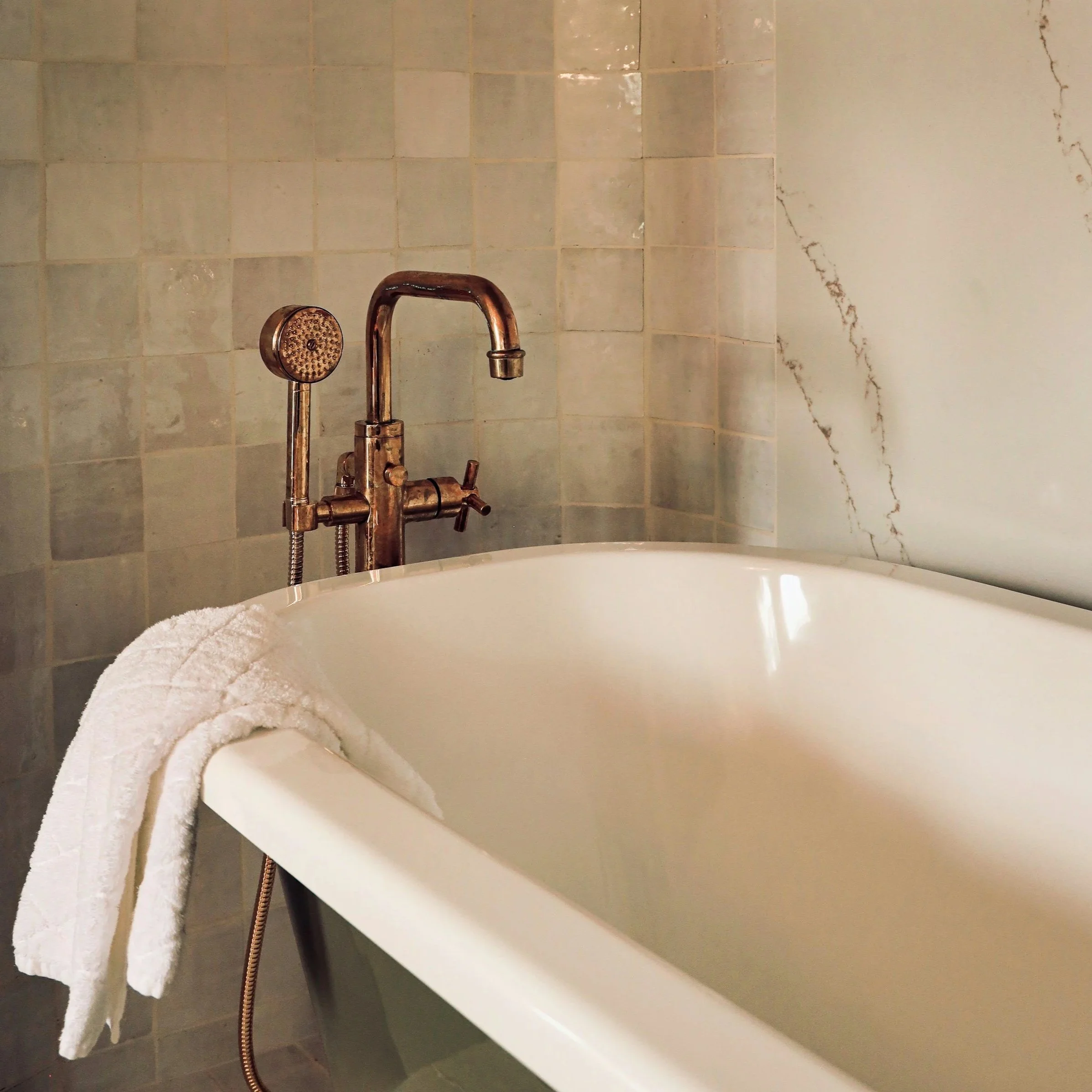
The wrong shape can feel awkward, waste space, or limit functionality, while the right one can transform the bathroom into a practical, comfortable, and visually balanced space.
Replacing a bathtub is one of those home improvement decisions that looks simple on the surface but quickly becomes complex once you start exploring your options. Beyond material, size, and installation type, the shape of the bathtub plays a major role in comfort, usability, bathroom layout, and long-term satisfaction. The wrong shape can feel awkward, waste space, or limit functionality, while the right one can transform the bathroom into a practical, comfortable, and visually balanced space.
Bathtub shape affects how you use the tub, how it fits within your existing plumbing layout, and how the room functions for daily routines or long soaks. Whether you are remodeling a master bathroom, upgrading a guest bath, or replacing a damaged tub, understanding how different bathtub shapes work in real homes helps you make a confident, long-lasting choice.
Understanding Why Bathtub Shape Matters More Than You Think
Bathtub shape is not just a design preference. It directly impacts how comfortably you can sit or recline, how easily you can get in and out, how much space the tub occupies, and how well it integrates with surrounding fixtures like showers, vanities, and toilets. Many homeowners focus on aesthetics first and functionality second, only to discover later that their tub looks great but feels cramped, awkward, or impractical for everyday use.
The shape also influences water depth, arm and back support, and how the tub distributes weight across the floor. In homes with older plumbing or limited space, certain shapes may require additional structural support or plumbing modifications, which can affect installation cost and timeline. Choosing the right shape early in the process helps avoid surprises and ensures the replacement tub works with your lifestyle rather than against it.
Straight Alcove Bathtubs and Practical Bathroom Layouts
Straight alcove bathtubs are the most common option in residential homes, especially in hall bathrooms and combined tub-shower setups. These tubs are designed to fit into a three-wall enclosure, making them efficient for smaller spaces and straightforward replacements when existing plumbing is already in place. Their rectangular shape allows for easy shower integration, curtain or door installation, and minimal disruption during renovation.
From a functional standpoint, alcove tubs maximize usable space without overwhelming the room. They are ideal for families, guest bathrooms, and homes where the bathtub also serves as a shower. While they may not offer the sculpted comfort of specialty tubs, modern designs have improved interior ergonomics, providing sloped backs and deeper basins that enhance comfort without changing the exterior footprint.
Oval and Rounded Tubs for Comfort and Balance
Oval and softly rounded bathtubs prioritize comfort and visual flow. These shapes are designed to support the body more naturally, reducing pressure points and creating a more relaxed bathing experience. Because the curves distribute water and body weight evenly, many homeowners find these tubs more comfortable for soaking.
Oval tubs often work best in larger bathrooms where space allows for a freestanding or semi-freestanding installation. Their symmetrical design creates a focal point and adds a sense of balance to the room. However, they may require more planning during installation, especially if existing plumbing needs to be relocated. While they are less common in standard tub-shower combinations, they are popular in primary bathrooms where soaking and relaxation are priorities.
Corner Bathtubs and Space Optimization
Corner bathtubs are designed to take advantage of underused space and can be an excellent solution in bathrooms where layout constraints make traditional tubs impractical. Their triangular or angled shapes allow them to fit snugly into corners, freeing up wall space for vanities or storage.
These tubs often provide more interior space than expected, making them suitable for soaking despite their compact placement. However, corner tubs typically require more complex plumbing and framing, and their larger footprint can sometimes be misleading when measuring usable bathroom space. They work best when the overall layout supports their size and when accessibility is carefully considered.
Freestanding Bathtubs and Design Flexibility
Freestanding bathtubs have become increasingly popular due to their visual impact and design versatility. Available in a wide range of shapes — from classic clawfoot styles to sleek modern silhouettes — these tubs are meant to stand alone rather than be enclosed by walls.
The shape of a freestanding tub determines both comfort and placement. Some are narrow and elongated for minimalist spaces, while others are wide and deep for long soaks. Because these tubs are exposed on all sides, their shape plays a larger role in how the bathroom feels overall. Installation often requires careful planning for floor support, drain placement, and water supply lines, making professional guidance essential.
Freestanding tubs are best suited for bathrooms where design and relaxation are top priorities and where space allows for proper clearance around the tub.
Considering Accessibility and Everyday Use
Beyond style and comfort, bathtub shape also affects accessibility and safety. Homes with aging occupants, mobility concerns, or long-term usability goals should factor in how easy it is to step into and out of the tub. High tub walls, narrow interiors, or steep curves can make access difficult over time.
Some shapes accommodate built-in seating, grab bars, or wider entry points more easily than others. While walk-in tubs are a separate category, even standard tubs vary significantly in how accessible they feel based on shape alone. Choosing a shape that balances aesthetics with ease of use helps future-proof your bathroom and supports long-term comfort.
How Bathtub Shape Affects Installation and Cost
Bathtub shape directly influences installation complexity. Straight alcove tubs typically require the least modification and are often the most cost-effective to replace. More complex shapes, such as freestanding or corner tubs, may involve relocating drains, reinforcing flooring, or adjusting water supply lines.
These factors do not make specialty shapes a poor choice, but they do highlight the importance of understanding the full scope of the project before committing. Working with a professional plumber or bathroom remodeling specialist ensures the chosen tub shape aligns with your home’s structure, plumbing configuration, and budget.
Matching Bathtub Shape to Bathroom Style
While functionality should lead the decision, the bathtub shape also contributes to the overall style of the bathroom. Clean, rectangular shapes tend to suit modern or transitional designs, while curved or sculptural tubs complement spa-inspired or traditional aesthetics.
The key is consistency. A tub shape that clashes with the room’s proportions or design language can feel out of place, even if it is visually appealing on its own. Viewing the bathtub as part of a complete system — rather than a standalone feature — leads to better design and long-term satisfaction.
Making the Final Decision with Confidence
Choosing the best bathtub shape is about balancing comfort, space, installation practicality, and visual appeal. Measuring your bathroom accurately, understanding how you use the tub, and consulting with professionals before purchasing prevents costly mistakes and ensures the final result enhances both daily living and home value.
The right bathtub shape should feel natural to use, fit seamlessly into the room, and support your needs for years to come.
Choosing the Right Bathtub Shape for Comfort, Space, and Installation
Does bathtub shape affect comfort?
Yes. Bathtub shape plays a major role in comfort by influencing body support, water depth, and overall relaxation. Curved and ergonomic designs typically offer better support for soaking and longer bathing sessions.
Can I change the bathtub shape without moving the plumbing?
In many situations, replacing a bathtub with a similar shape allows the existing plumbing to stay in place. Switching to a dramatically different shape may require plumbing modifications to accommodate new drain or faucet locations.
Are freestanding tubs harder to install than built in tubs?
Freestanding tubs usually require additional planning, including proper floor support and precise drain placement. Because of these factors, professional installation is strongly recommended.
What bathtub shape works best for small bathrooms?
Straight alcove tubs and compact corner tubs are often the best choices for small bathrooms. These shapes maximize usable floor space while still providing comfortable bathing options.
Should the bathtub shape be chosen before or after selecting materials?
The bathtub shape should be selected early in the planning process. Shape impacts layout, plumbing placement, and installation requirements, while materials and finishes can be chosen later to complement the final design.
Need reliable and affordable faucet repairs, replacement, and installation, toilet plumbing repair, backflow plumbing, and slab leaks services in the Phoenix and AZ Greater Metro Area? Contact MNS Plumbing at 602-362-4524.
