
How to Keep a Dishwasher Clean
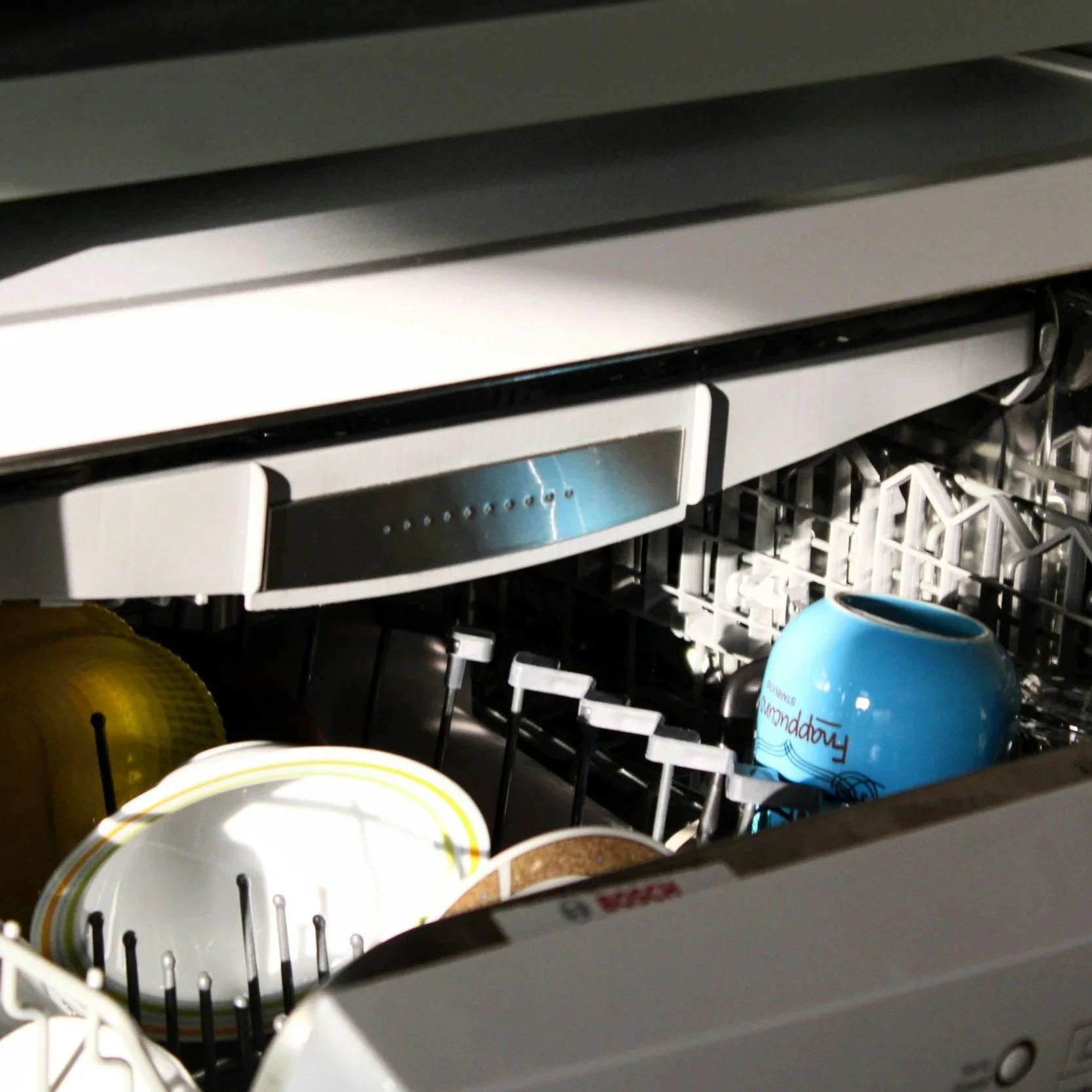
Food scraps, grease buildup, hard water minerals, and trapped debris can cause odors, poor cleaning performance, clogs, and even breakdowns if left unchecked.
Dishwashers make modern life easier, handling your dirty dishes, pots, and utensils with efficiency and convenience. But like any kitchen appliance, a dishwasher needs regular cleaning and maintenance to run effectively. Food scraps, grease buildup, hard water minerals, and trapped debris can cause odors, poor cleaning performance, clogs, and even breakdowns if left unchecked.
This comprehensive guide teaches you how to keep your dishwasher clean, how dishwasher cleaning affects performance and longevity, what tools and products to use, when to deep clean, and how to prevent common problems before they start. With straightforward steps and practical tips, you’ll ensure that your dishwasher stays fresh, efficient, and long-lasting.
Why Keeping Your Dishwasher Clean Matters
A dishwasher works by spraying pressurized hot water mixed with detergent onto dishes and then draining away dirty water. Over time, food particles, grease, soap scum, and mineral deposits accumulate in filters, spray arms, seals, and drains. If not cleaned regularly, this buildup can:
• Reduce cleaning effectiveness
• Cause unpleasant odors
• Lead to clogged drains or spray arm holes
• Damage seals and internal components
• Shorten the appliance’s lifespan
Cleaning your dishwasher not only keeps dishes cleaner but also protects the appliance itself, improves energy efficiency, and prevents malfunctions that lead to costly repairs or premature replacement.
Signs Your Dishwasher Needs Cleaning
Before deep cleaning, recognize these common signs that your dishwasher needs attention:
• Dishes aren’t coming out completely clean
• Foul or musty odors inside the dishwasher
• Standing water in the bottom after a cycle
• Visible residue on dishes or glassware
• Slow draining or gurgling sounds
These symptoms are often caused by trapped food, grease buildup, or blocked spray arms, and they indicate it’s time to clean and maintain your dishwasher.
Daily and Weekly Dishwasher Cleaning Habits
Maintaining a clean dishwasher starts with simple habits that prevent buildup:
• Scrape dishes before loading: Remove large food scraps and solids before placing dishes in the dishwasher.
• Rinse only when necessary: Light rinsing removes heavy residue, but avoid over-rinsing – most modern dishwashers are designed to handle food debris.
• Clean the utensil basket regularly: Utensils can trap food particles that fall into the bottom of the dishwasher.
• Wipe the door and gasket: Use a damp cloth to remove food splatters and residue around the door seal.
Daily and weekly attention prevents debris from settling deep inside the dishwasher and keeps the interior fresh.
Monthly Deep Cleaning Steps
Even with good habits, your dishwasher needs regular deep cleaning. Monthly maintenance ensures internal components stay clear and odor-free. Follow these steps:
Step 1 — Clean the Filter
Most dishwashers will have a removable filter at the bottom that traps food particles. Over time, this filter becomes clogged, impeding water flow and contributing to poor cleaning results.
Remove the filter according to your dishwasher’s manual. Rinse it thoroughly under warm water and use a soft brush to remove trapped debris. Reinstall the filter carefully to ensure proper operation.
Step 2 — Clear Spray Arms
Dishwasher spray arms have small holes that distribute water. Food particles can clog these holes and reduce water pressure.
Remove the spray arms if possible and use a toothpick or soft brush to clear any debris from spray openings. Rinse under warm water and reinstall securely.
Step 3 — Clean the Drain and Bottom Basin
Food particles and loose debris often settle at the bottom of the dishwasher. Wipe the drain area with a soft cloth or paper towel, and remove visible debris to prevent clogs.
Step 4 — Run a Cleaning Cycle
Add dishwasher cleaner or a cup of white vinegar to the top rack, then run a hot cycle without dishes. This helps dissolve grease, mineral deposits, and lingering odors.
Removing Mineral Buildup and Hard Water Deposits
Hard water minerals can accumulate on dishes, the dishwasher interior, and internal components. If you live in an area with hard water, mineral buildup may show up as cloudy spots or film on glassware.
To reduce mineral deposits:
• Use a dishwasher cleaner formulated for hard water
• Run periodic vinegar rinses
• Consider a water softener for your home if hard water is severe
Addressing mineral buildup keeps your dishwasher operating at peak performance and extends its service life.
Deodorizing Your Dishwasher
Unpleasant smells come from trapped food and moisture. To keep your dishwasher smelling fresh:
• Sprinkle baking soda in the bottom and run a short cycle
• Wipe the door gasket regularly
• Leave the door ajar after washing to promote airflow and prevent mold
• Add citrus peels or essential oils occasionally for a natural, fresh scent
These simple steps keep odors at bay and make your dishwasher more pleasant to use.
Preventing Future Dishwasher Problems
Cleaning and maintenance help prevent many common dishwasher issues:
• Slow or incomplete drying: Can result from clogged spray arms or vents.
• Persistent odors: Often due to trapped food in filters or seals.
• Cycle failures: Caused by buildup that affects sensors or pumps.
Addressing minor issues early prevents major problems later, saving money and avoiding inconvenient breakdowns.
Dishwasher Maintenance Schedule Summary
Establish a regular maintenance schedule:
• Daily/weekly: Scrape dishes, wipe door and gasket, clean utensil basket
• Monthly: Clean filter, spray arms, drain, and run a cleaning cycle
• Seasonally, as needed: Check for hard water buildup and deodorize
A consistent maintenance routine keeps your dishwasher functioning smoothly and efficiently over time.
When to Call a Professional for Dishwasher Service
While most cleaning and basic maintenance can be done by homeowners, some dishwasher issues indicate the need for professional service:
• Persistent standing water after cycles
• Strange noises indicating mechanical problems
• Leaks under the dishwasher
• Electrical or control panel malfunctions
• Broken spray arms or internal parts
A licensed plumber or appliance technician can diagnose and repair complex issues safely and effectively.
MNS Plumbing is here to help with all your garbage disposals, dishwasher installation, water purification, and other plumbing installation requirements. Serving the entire Phoenix, AZ Greater Metro Area, you can count on us to keep your home safe all year round.
