
How to Clean Your Top Loading Washing Machine
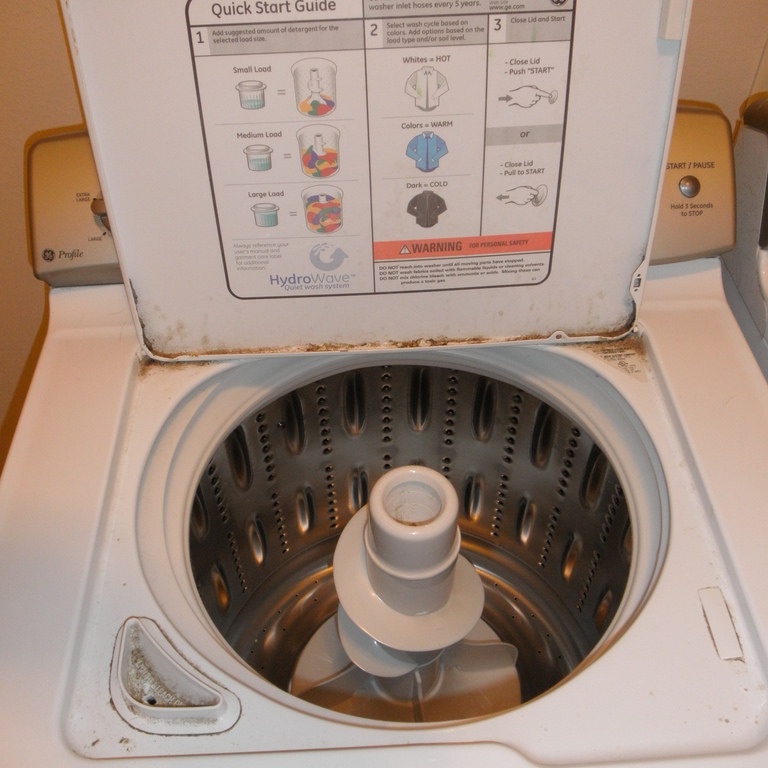
This buildup causes odors, reduces washing performance, and can even transfer grime back onto your laundry.DIY laundry soap. This stuff is magic!
Your top-loading washing machine works hard every day to keep your clothes clean and fresh. But over time, dirt, detergent residue, fabric softener buildup, minerals, and bacteria can accumulate inside the tub, on seals, and around the agitator. This buildup causes odors, reduces washing performance, and can even transfer grime back onto your laundry.
Regular cleaning and maintenance — both simple and thorough — keep your washer working efficiently, improve the cleanliness of your clothes, prevent odors, and extend the life of your appliance. This complete guide explains why washing machine cleaning matters, how often to clean, step-by-step processes, preventive care tips, and troubleshooting advice.
Why Cleaning Your Top-Loading Washing Machine Matters
Unlike front-loading washers, top-loading machines rely on open-top access and constant water flow during wash cycles. While this design reduces some issues, it still allows soil, detergent residue, fabric softener film, and minerals from hard water to build up in hard-to-see areas, like:
• Inner tub and agitator base
• Lid and rim areas
• Detergent dispenser components
• Drain hoses and water inlet screens
Over time, this buildup can trap odors, reduce cleaning effectiveness, and contribute to mold or mildew growth. Regular cleaning improves machine performance and keeps your laundry smelling fresh.
How Often You Should Clean Your Washing Machine
To maintain peak performance and prevent odors:
• Quick weekly maintenance keeps everyday buildups from accumulating.
• Monthly deep cleaning targets mineral and residue buildup inside the tub, seals, and other components.
• Seasonal maintenance focuses on mineral deposits and water quality impacts, especially if you have hard water.
Consistency matters: regular care prevents major buildup that's harder to clean later.
Essentials You'll Need for Cleaning
Before you begin, gather these common items:
• White vinegar or a washing machine cleaner
• Baking soda
• Soft cloths and microfiber towels
• Small brush or old toothbrush
• Warm water
• Rubber gloves (optional)
Using household items like vinegar and baking soda helps break down buildup and deodorize without harsh chemicals.
Quick Weekly Maintenance Steps
Weekly maintenance prevents grime from settling in the first place:
Leave the Lid Open After Use
After running a load, leave the lid open for at least 30 minutes to allow air circulation and prevent moisture from stagnating inside the tub.
Wipe the Lid and Tub Rim
Use a damp cloth to wipe around the lid, lid seal, and tub rim where residue tends to collect. Pay attention to corners and crevices that trap dampness.
Clean the Detergent Dispenser Area
If your machine has a removable detergent or fabric softener tray, pull it out and rinse it to remove any residue. Wipe the dispenser housing before reinserting.
These simple weekly habits help prevent stubborn buildup and reduce odors between deep cleaning sessions.
Monthly Deep Cleaning: Step-by-Step Process
For a thorough wash machine cleaning, follow these steps once a month:
Run a Hot Wash with Vinegar
Set your washer to the hottest and largest load setting. Add four cups of white vinegar directly into the tub. Run a full wash cycle without clothes. The vinegar helps dissolve soap scum, remove mineral buildup, and deodorize your machine.
Sprinkle Baking Soda
Once the cycle completes, sprinkle one cup of baking soda into the tub and run another hot water cycle. Baking soda neutralizes odors and loosens remaining grime.
Scrub Problem Areas
After the second cycle, soak a cloth in warm vinegar and wipe the agitator, tub walls, and other exposed parts. Use a small brush or an old toothbrush to scrub around seals, hinges, and hard-to-reach spots.
Clean Inlet Screens and Hoses
Turn off the washer's water supply and disconnect hoses. Check the inlet screens for mineral buildup and debris. Rinse gently under warm water before reconnecting. Clean hoses and check for wear that may affect water flow.
This monthly routine targets deep buildup and keeps your machine working efficiently.
Removing Musty Odors
If your washer smells stale or musty:
• Soak a cloth in vinegar and wipe interior surfaces, including the underside of the lid.
• Run an extra hot water cycle with vinegar and baking soda more frequently until odors dissipate.
• Check and clean the drain hose to verify proper drainage and prevent standing water.
Persistent odors usually indicate residue inside the tub, seals, or drain — regular deep cleaning eliminates this problem.
Preventing Mold and Mildew Growth
Mold and mildew thrive in warm, damp environments — exactly the conditions inside a washing machine. To prevent growth:
• Leave the lid open after cycles
• Remove wet laundry promptly
• Keep the tub as dry as possible between uses
• Clean around the lid seal and under the agitator area
Regular airflow and drying prevent mold spores from settling and growing.
Hard Water and Mineral Scale Removal
If you have hard water, mineral deposits form more quickly. In addition to monthly cleaning:
• Use a washing machine cleaner formulated for hard water deposits
• Add a water softener to your household system
• Run hot wash and vinegar cycles more frequently
Hard water prevention protects both your washer and your clothing from buildup and reduced cleaning effectiveness.
Signs Your Washing Machine Needs Professional Service
Certain issues may require professional inspection or repairs:
• Persistent foul odors after repeated cleaning
• Standing water after the drains are complete
• Strange noises or vibration during cycles
• Water leaks around the base or under the machine
• Electrical or control panel malfunction
Plumbers and appliance technicians can diagnose mechanical or drainage issues that regular cleaning won't resolve.
Additional Tips for a Clean Washing Machine
• Use the right detergent amount: Excess detergent leads to buildup.
• Avoid fabric softener overuse: Softener residue clings to tub walls and seals.
• Clean seals and gaskets regularly: These areas trap moisture and debris.
• Inspect drain lines: Ensure water flows freely and doesn't collect in hoses.
Smart maintenance reduces appliance stress and extends service life.
Washing Machine Cleaning and Maintenance Questions Homeowners Should Know
How often should I clean my top loading washing machine?
Weekly light maintenance helps reduce residue, while a deeper cleaning once a month removes detergent buildup, minerals, and odors that can affect performance.
What household products work best for cleaning my washer?
White vinegar and baking soda are effective for breaking down soap residue, deodorizing the drum, and dissolving mineral buildup when used in a hot water cleaning cycle.
Why does my washer smell musty?
Musty odors develop from trapped moisture, leftover detergent, and organic buildup inside the drum and hoses. Leaving the lid open between washes and performing regular deep cleans helps eliminate these smells.
Can hard water affect my washing machine’s performance?
Yes. Hard water minerals can accumulate inside the tub, hoses, and internal components, reducing cleaning efficiency and increasing the need for more frequent maintenance.
When should I call a professional for washer problems?
Contact a professional if odors persist after cleaning, water does not drain properly, leaks appear, or unusual noises continue despite routine maintenance.
MNS Plumbing is here to help with all your garbage disposals, dishwasher installation, water purification, and other plumbing installation requirements. Serving the entire Phoenix, AZ Greater Metro Area, you can count on us to keep your home safe all year round.
